The railway system in pre-independence India was varied, comprising Imperial, Company-Owned, State Railways, and others. It served military, economic, and local needs, connecting major regions. Post-independence, these railways were nationalized, forming the backbone of Indian Railways, which remains a critical infrastructure component today.
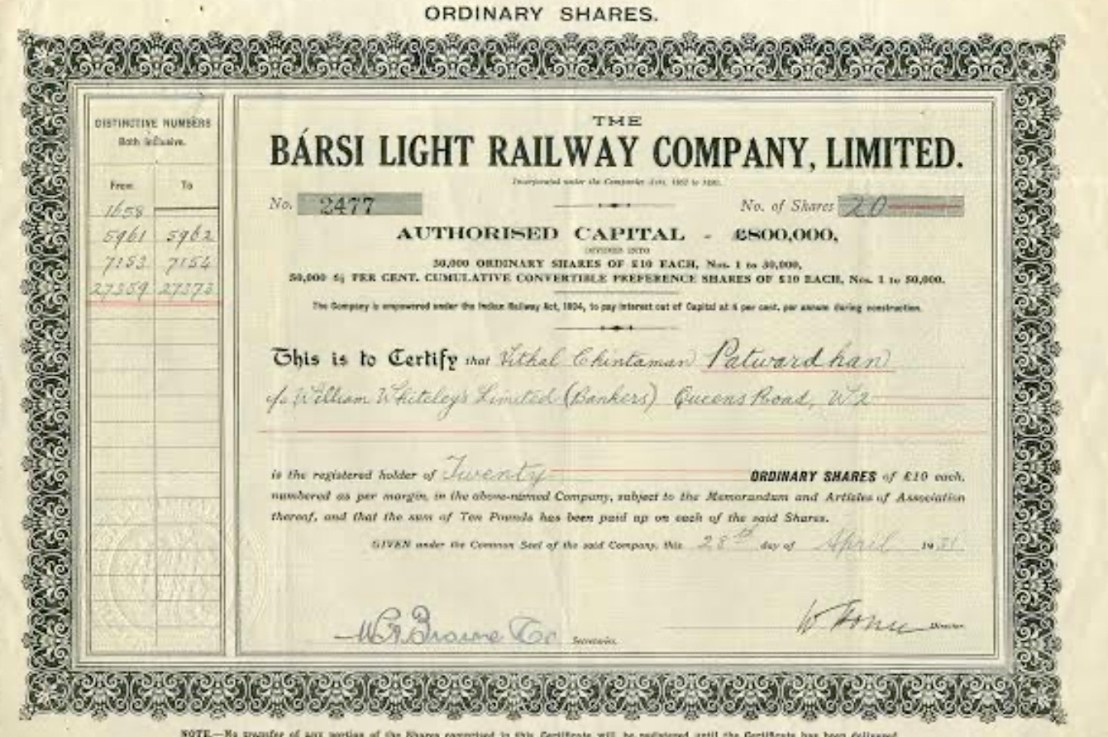
The Barsi Light Railway, also known as the Barsi State Railway, revolutionized narrow gauge railways in India. Established in 1897, it connected rural areas in Maharashtra, facilitating the transport of agricultural products and played a key role in regional development. After independence, it was integrated into Indian Railways and eventually converted to broad gauge.
Shaniwarwada, a historical landmark in Pune, Maharashtra, holds deep ties to the Maratha Empire. Built by Peshwa Baji Rao I in 1730, it served as a grand seven-story stone structure. The fort's tragic history, including the murder of Peshwa Narayanrao and a mysterious fire, has led to beliefs of it being haunted. Today, it remains a symbol of the Maratha Empire's legacy, attracting tourists and cultural events.
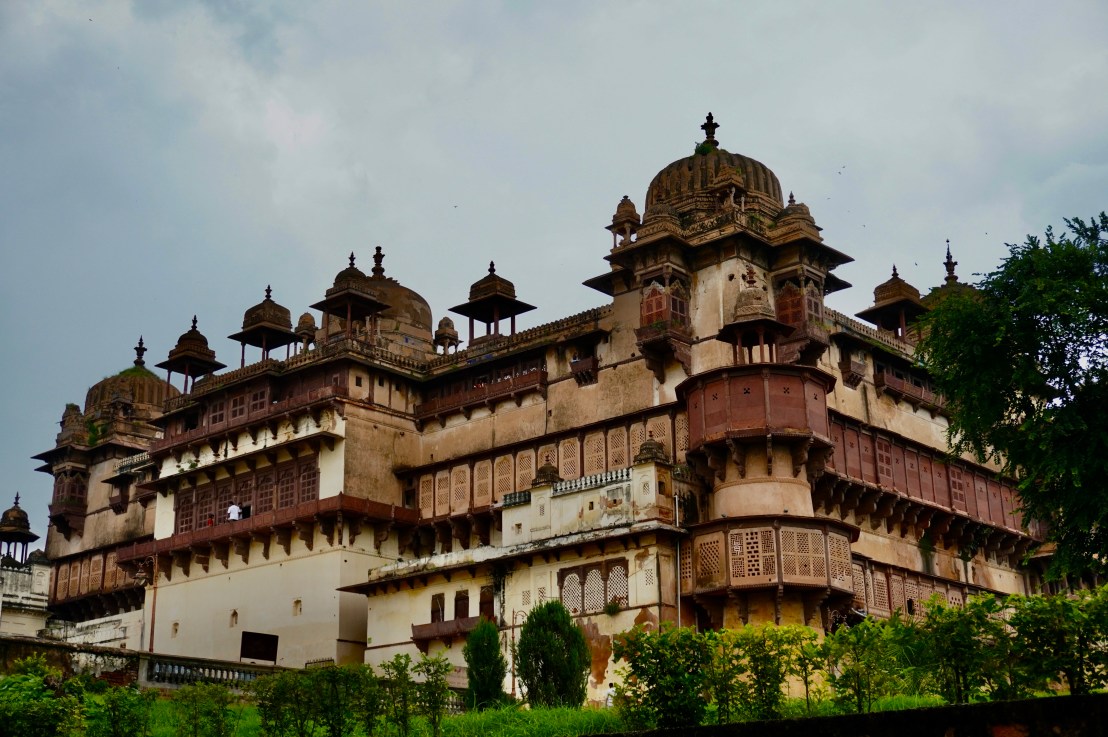
Orchha, a town in central India, offers a captivating glimpse into the country's rich history and architecture. Its stunning palaces, temples, and forts reflect the wealth and power of the Bundela kings who once ruled the region. Visitors can explore historical monuments, the Betwa River, and vibrant local culture, making it an enriching experience.
Orchha, a historical town near Jhansi, boasts the magnificent Orchha Fort, showcasing a blend of Rajput and Mughal architecture. Notable highlights include Jahangir Mahal, Raja Mahal, Sheesh Mahal, Phool Bagh, and several temples. Visitors can enjoy guided tours and a captivating light and sound show. Accessible by air, train, or road, Orchha Fort promises a rich cultural and architectural experience.
Mawsmai Caves, near Sohra, Meghalaya, are a popular tourist spot known for their stunning limestone formations and easy accessibility. Travel options from Shillong and Cherrapunjee are outlined. The caves boast natural beauty, accessibility, and a diverse ecosystem. They offer a memorable experience for nature enthusiasts and make for an ideal day trip in Meghalaya.
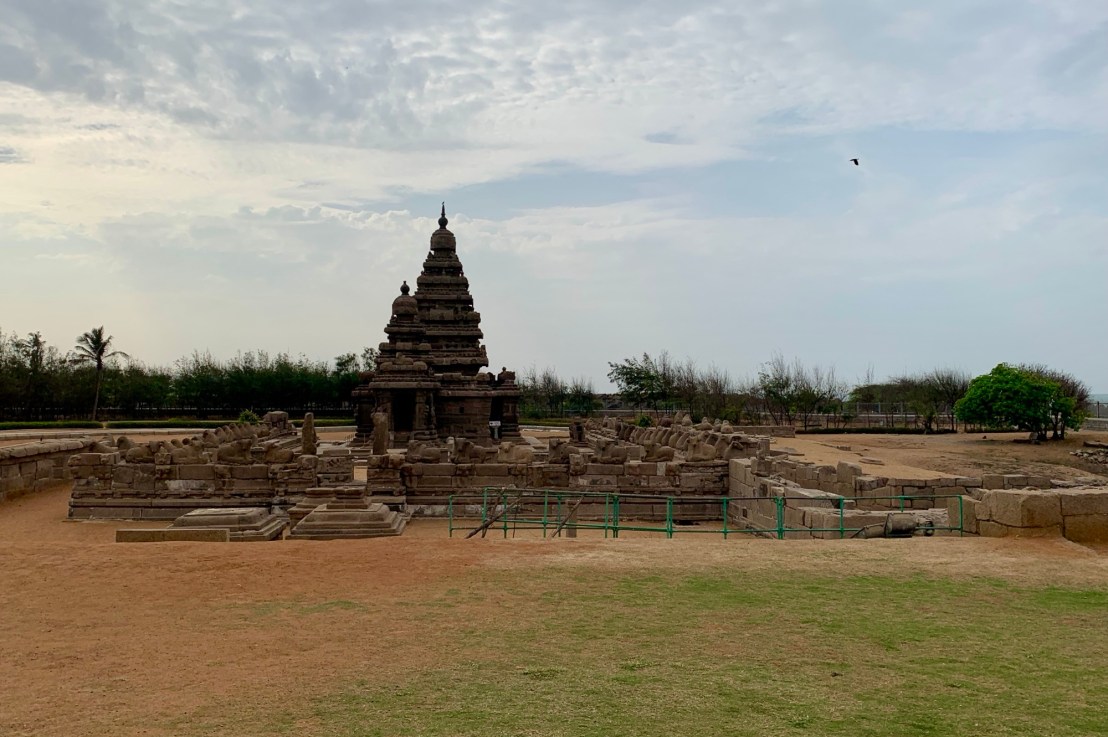
Mahabalipuram, also known as Mamallapuram, is a historic town in Tamil Nadu, India, renowned for its ancient rock-cut temples, monolithic sculptures, and rich Pallava dynasty history. Key attractions include the Shore Temple, Pancha Rathas, Arjuna’s Penance, Krishna’s Butterball, Mahishasuramardini Cave Temple, and Varaha Cave Temple. The town also offers a dance festival, craftsmanship, and scenic beaches, best visited in winter.
If there is one lake which has impacted the history and culture of a region the most then it is the Loktak Lake. Loktak Lake, located in the Indian state of Manipur, is the largest freshwater lake in northeastern India. It is renowned for its unique floating islands, rich biodiversity, and cultural importance. Although Manipur … Continue reading Loktak Lake: A Jewel of Manipur’s Culture and Biodiversity→
India's diverse festivals face challenges due to globalization. Western celebrations gain popularity at the expense of local traditions. Urbanization and economic pressures contribute to the neglect of rural festivals. Efforts by cultural organizations, government, and communities aim to revive and preserve the country's rich cultural heritage amidst global influences.
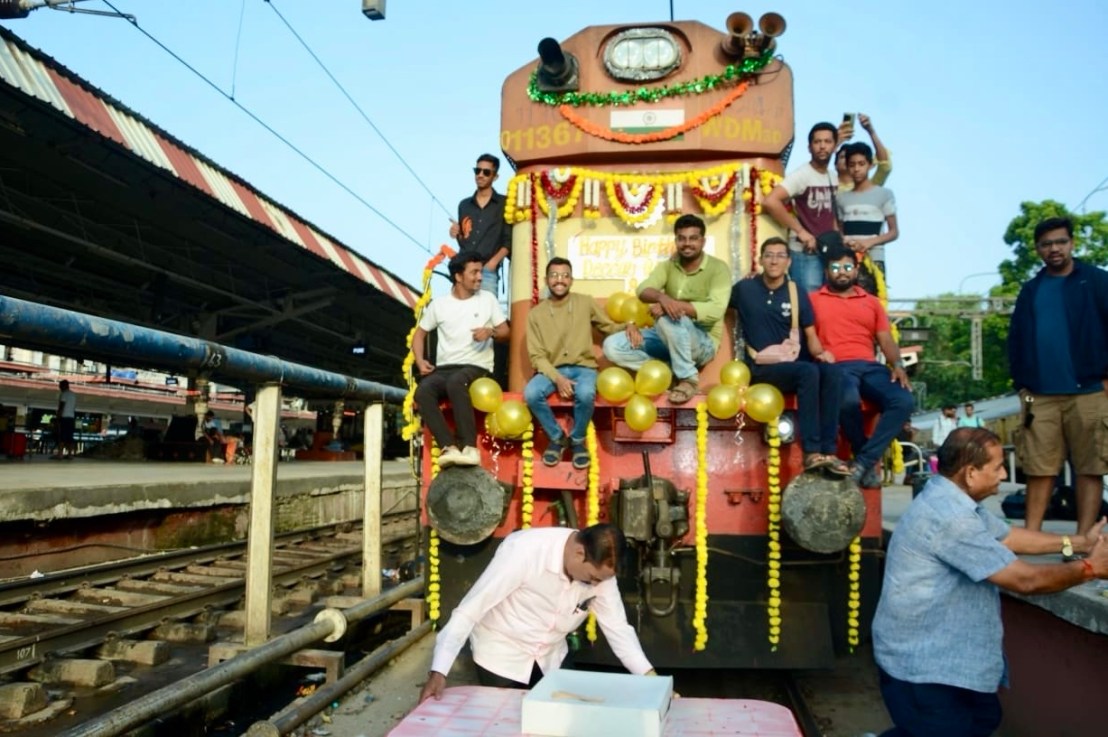
On 1st June 2024, the Deccan Queen Express, also known as "Dakkhan ki Rani" celebrated its 95th birthday. Introduced in 1930 by the Great Indian Peninsula Railway, it held several firsts in Indian Railways. Post-independence, it was taken over by Indian Railways and continues to offer upgraded amenities, punctuality, and cultural significance.





 Wizards of Life!