Tag: Photography

  • A Quiet Stay at Kathi(Satara)

    A Quiet Stay at Kathi(Satara)

    There are places that don’t ask anything from you.
    They don’t demand productivity, urgency, or performance.
    Kathi is one such village.

    Tucked quietly in the folds of the Sahyadris in Satara district, Kathi does not announce itself. There are no landmarks shouting for attention, no itineraries to tick off. What it offers instead is far rarer — a life that unfolds without hurry.

    Indian Cities are increasingly becoming congested and overcrowded. Finding a peaceful moment in the cities is becoming a luxury now. Pune City has been particularly heavily polluted this year with AQI reaching to 400. It was in this frame of mind that I decided to take some time out and stay at a quiet place outside the city. My search ended at a Quiet Villa named as Red Stone Villa by Koyna stays located in a small village named Kathi in Satara district of Maharashtra. Most of the population in this village is involved in agriculture. However with the coming up of tourism a small population is now being involved in hospitality and the land use and occupation change is now visible here.

    When I reached this Kathi village I was amazed with the rustic beauty and old world charm of this village. The village lies at a hill plateau overlooking the Shivsagar Dam built on Koyna River. The natural setting of the place is amazing.

    The Village is still far away from what we call ‘Development’ in modern terms. There are no modern cafes and restaurants. People are simple and welcoming. This makes this place perfect for Eco-tourism and many eco tourism resorts are now opening in this village. This village is perfect place for spending quiet days. During my stay at this place I was reminded of the the Dak-Bunglows of British times. Britishers used to built Dak-Bunglow at places which were far from modern world and having plenty of nature around. This gave them the time to think and innovate.

    Relaxing Activities In Kathi

    The village of Kathi is located at a place which is called Oxygen valley. This is because of strong winds that blow here throughout the day. The wind is so strong here that the largest Windmill farm in Asia is located near this village. You can just sit and feel the air in your lungs.

    Wind Mill farm

    Visit to the nearest Windmill farm is a great experience here. The road from Kathi to Satara passes through this wind mill farm and there is one spot where the road is straight over the plateau. This is a perfect place to take an evening walk. I took a walk on this road one evening and it felt magical.

    K-2 Point

    When it comes to viewing sunset in the Western Ghats I found that K-2 point offers one of the most mesmerising view. The place is located at the highest point in the region overlooking the Koyna Backwaters. The view of the sunset from here is just amazing. The only catch is that due to excessive fog at times it becomes difficult to view the sunset. What I found most beautiful is that this place has no crowd at all and hence you can enjoy the beautiful sunset in peace. However despite its natural beauty what disturbed me here was that people have thrown beer bottles and water bottles which was acting as a thorn in the beauty of this place. Seeing this one can sense how much civic sense Indians lack.

    Dhareshwar Shiv Mandir

    Perhaps one of the most unique temples in India that I have visited this Shiva temple is nestled into deep forest and on the edge of a mountain overlooking a huge valley. The main shrine is in a rock-cut cave traditionally associated with Shri Ram’s era, housing a temple to Shri Ram along with a sacred Shiva shrine (Shivshambu Mahadev) regarded as a teerthakshetra. This place is a great nature spot and there is an all weather active waterfall here. When I visited this temple I found that to be crowd free and full of peace and tranquility. This place is great for meditation and Dhyan and one can sit for some time here to connect with spirituality. The active waterfall of this place is considered sacred and the locals use the water for different religious purposes.

    This place is a heaven for star gazers as this place still has not been heavily polluted by light pollution. During the night time star gazing is a great activity here. During our visit we sat in the night sky and all the night stars were visible to us. Using the apps like night sky enhances the experience of Star Gazing by displaying the positions of the stars in the sky.

    Kathi Village has everything that a slow life asks for. A lakeside location, spiritual places nearby and a great sunset view point to go and sit during the evening. Places like these are a modern day luxury for us when the “modernisation and cafe culture” is reaching in every nooks and corners of the country. The very nature of the modern lifestyle is stress-full and few days spent at places like these adds much needed value to our quality of life.

  • Photographing Balck Kite (Milvus migrans) In Pune

    Photographing Balck Kite (Milvus migrans) In Pune

    Spotting birds in Indian Cityscape is becoming a rarity now. The cities in India are slowly becoming urban jungles with no space for trees and wildlife. The birds which are frequently visible in the countryside are no where to be found in the cities. However when I spotted this beautiful big birds in my colony I was surprised to see that they are not even surviving but flourishing in the cityscape. Upon enquiring I came to know that this bird was named as Balck Kite (Milvus migrans). The subspecies of this bird M. M. Govinda also known as the small Indian kite or formerly Pariah Kite is found across the Indian cities and their population is thriving in the Indian cities due to their flexible dietary habits.

    Black Kite is a raptor species which means they hunt and eat other animals and have special adaptations for catching and consuming prey. Raptors are also called birds of prey and include eagles, hawks, kites, falcons, owls, and most vultures.

    Black kites inhabit most Indian states, from the Indo-Gangetic plains to Himalayan foothills and northeastern regions, including Delhi, Maharashtra, Karnataka, and Rajasthan. However what I was most curious about was the astonishingly high number of population of these species in PMC area nearby Mula- Mutha river. The major reason for their high density in this area seems to be because of abundance of urban waste from households, markets, and slaughterhouses. This area also provides constant scavenging opportunities, drawing kites to riversides and dumps. Proximity to PMC headquarters along the Mula-Mutha River supports foraging on scraps and small prey like fish or pigeons.

    Studying the changing behaviour of these species shows that species too have the ability to adopt to the changing environment. Also those species are likely to survive more who can adopt to the changing landscape better in a better way. Having these species nearby gives me an excellent opportunity to photograph them and test my photography skills!

  • Chasing Chinkara(Indian Gazelle) Inside Mayureshwar Wildlife Sanctuary!

    Chasing Chinkara(Indian Gazelle) Inside Mayureshwar Wildlife Sanctuary!

    Mayureshwar Wildlife sanctuary is comparatively lesser known but very unique wildlife sanctuary located at a distance of about 75 km from Pune city. The sanctuary is so less popular that when I visited the sanctuary even the google map could not identify the exact location of the sanctuary. I had to take the help of a forest department official to find out the exact location of the sanctuary. However if you really want to learn photography this is the place to go. With comparatively less crowd and wildlife density one can learn the concept of composition and also learn to have patience which is a very important skill in wildlife photography.

    Mayureshwar wildlife sanctuary is unique in the sense that this is probably the only wildlife sanctuary in India where you can take your own vehicle inside the sanctuary for safari purpose. Walking inside the sanctuary is also permitted so one can take a walk in the sanctuary and spot various kind of birds from up close. There is a dedicated watch tower inside the sanctuary from where one can get a birds eye view of the surroundings. However the only menace inside the sanctuary are street dogs. You can find them in good numbers in the sanctuary roaming around and they can be very scary.

    The sanctuary is dominated by semi arid grasslands and dry deciduous scrub forests. Acacia catechu (Khair), Dalbergia latifolia (Sissoo), and Ziziphus mauritiana (Ber) are the primary tree species found in the sanctuary. These trees are interspersed with grasslands. This makes spotting the wildlife very easy inside the sanctuary.

    The sanctuary is famous for Indian gazelle (Chinkara) who are found here in herds. However if you are lucky then you can also spot Indian gray wolf, striped hyena, Indian fox, jackal, and Hares. During my visit to the sanctuary I was able to spot a big herd of Chinkara running across the sanctuary however I could not properly photograph it.

    The sanctuary is also famous for many different kinds of birds. The bird species include Indian roller, short-toed snake eagle, Bonelli’s eagle, and Grey Francolin. There are certain winter visitors also like European Roller and Montagu’s Harrier.

    Population pressure on nature is rising day be day in India. However these small efforts to create the sanctuaries for preserving the population of certain species gives us hope that our future generations will be above to see these species in wild.

    The best time to visit the sanctuary is from November to March as the weather is pleasant at this time. I visited the sanctuary in the month of September which was probably not the best of times. The Forest department has a small guest house also at the starting gate of the sanctuary. One can stay there if he wants to spend a peaceful night in the nature not for away from Pune. The morning and Evening walk inside the sanctuary feels really refreshing.

  • A Surprising Cactus Plant in Western Ghats

    While living in Pune for last few years I have taken quite a few trips around Pune to see the landscape of this region. The city of Pune is located at a place from where its very easy to enjoy the beauty of Western Ghats. Western Ghats region of India is well known for its scenic beauty and being closer to the Arabian sea the area receives plenty of rainfall. However while I was trekking in the western ghats region I was surprised to see a cactus plant.

    A Cactus Plant in Western Ghat region of India
  • Capturing Monal at Tungnath!

    Capturing Monal at Tungnath!

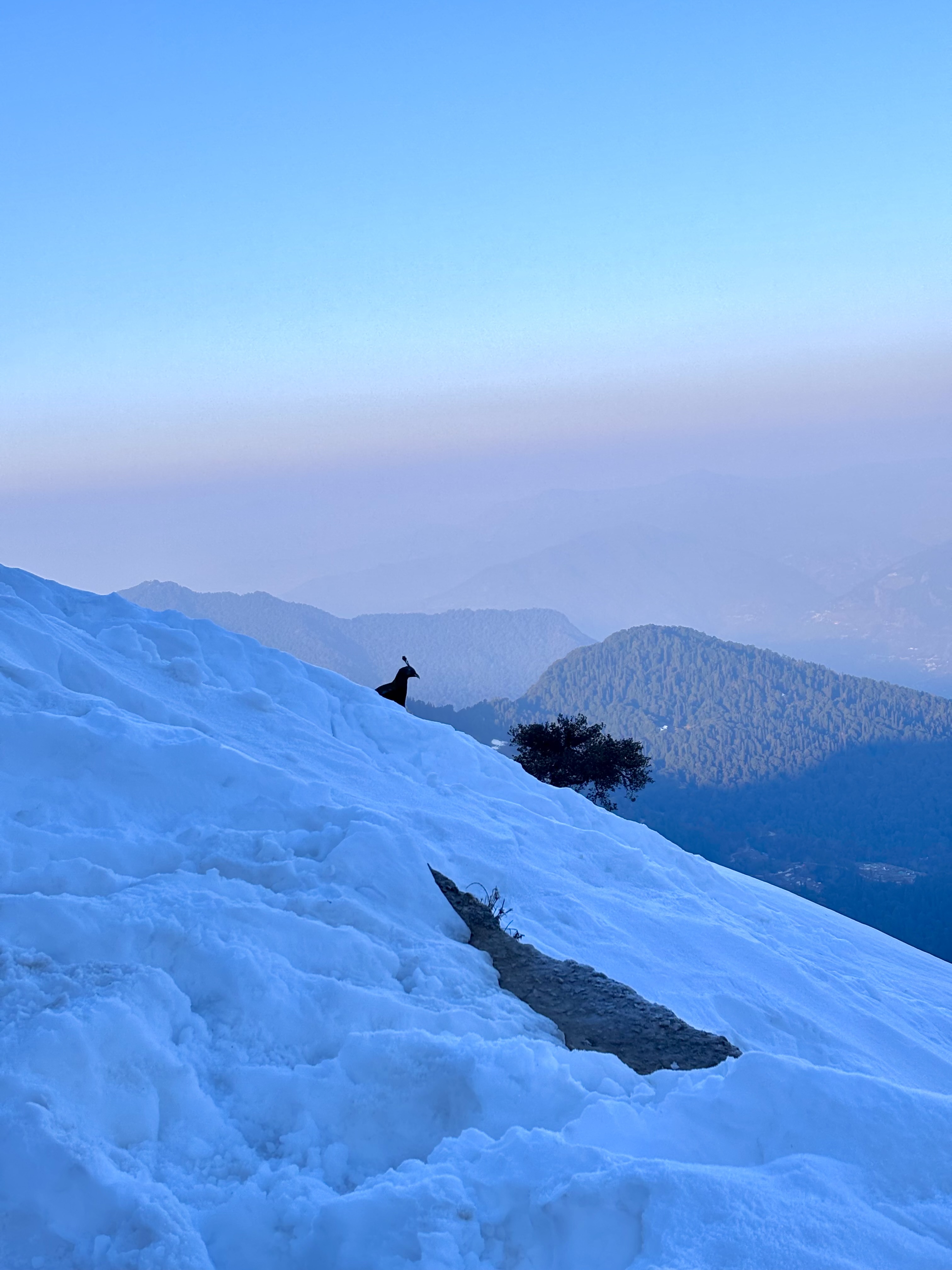
    During my recent trek to Deorital-Chandrashila I was able to capture(though not fully) a beautiful Monal Bird on my way to Chandrashila peak.

    The Monal bird, also known as the Himalayan Monal (Lophophorus impejanus), is a beautiful and vividly colored pheasant native to the Himalayan mountains. It holds ecological, cultural, and symbolic significance in the region. The bird prefers alpine meadows, forests, and shrublands between 2,100–4,500 meters altitude and you can easily spot it if you are trekking to Tungnath in the spring season. In Buddhist and Hindu symbolism, it represents divine beauty and dignity.

    A Himalayan Monal
  • Shaniwarwada: A Great Historical Landmark of the Maratha Empire!

    Shaniwarwada: A Great Historical Landmark of the Maratha Empire!

    Shaniwarwada is a significant historical landmark in Pune, Maharashtra, and is deeply intertwined with the history of the Maratha Empire. Here’s a detailed overview of its history:

    Foundation and Construction

    • Built by the Peshwas: Shaniwarwada was commissioned by Peshwa Baji Rao I. He was the Prime Minister of the Maratha Empire. This happened in 1730. The foundation stone was laid on Saturday (Shaniwar in Marathi), hence the name “Shaniwarwada.”
    • Completion: The construction was completed in 1732. It was originally intended to be a grand seven-story structure made entirely of stone. However, a royal decree limited the use of stone for private buildings. Therefore, the upper floors were constructed with brick.

    Architectural Grandeur

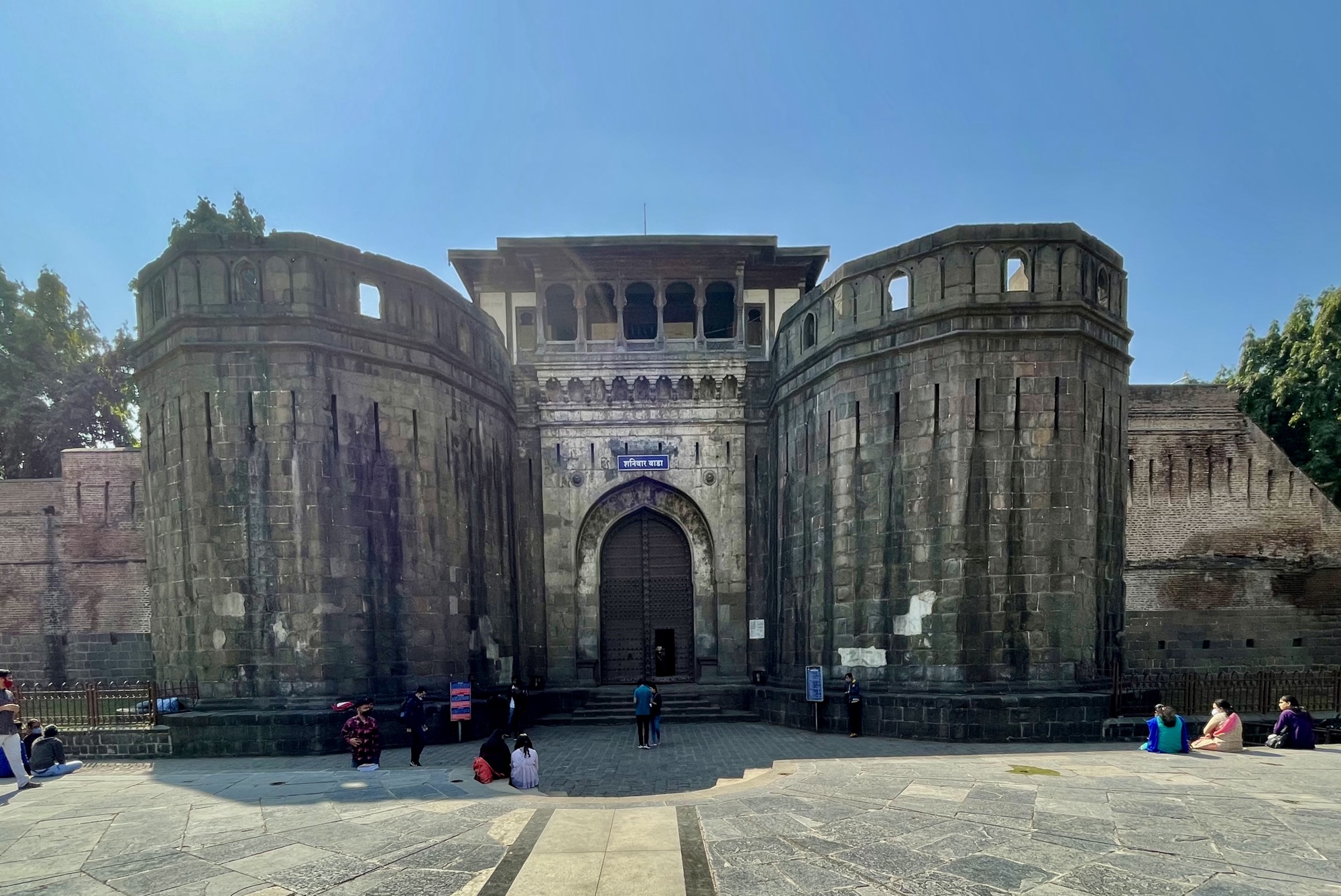
    • Delhi Darwaza: The main gate, called Delhi Darwaza, is a massive structure that could allow elephants to pass through. It is said that the gate was named to signify the Maratha’s aspiration to conquer Delhi.
    Dilli Darwaza( Shaniwarwada)
    • Other Gates: The fort had four other gates—Mastani Darwaza, Khidki Darwaza, Ganesh Darwaza, and Narayan Darwaza—each with its own significance.
    • Palace Complex: Shaniwarwada was more of a palace complex than a military fort. It housed several buildings, fountains, and gardens, displaying a blend of Mughal and Maratha architectural styles.

    Historical Significance

    • Peshwa Residence: Shaniwarwada served as the official residence of the Peshwas and was the administrative center of the Maratha Empire during its peak.
    • Baji Rao I: It was under Peshwa Baji Rao I’s leadership that the Maratha Empire expanded significantly. Shaniwarwada was his seat of power.
    • Narayanrao’s Tragic Death: One of the most infamous events associated with Shaniwarwada is the murder of Peshwa Narayanrao in 1773. The palace was the site of his assassination, allegedly orchestrated by his uncle, Raghunathrao. This incident is one of the darkest chapters in the history of Shaniwarwada.

    Decline and Destruction

    • British Capture: In 1818, the British East India Company took control of Pune, marking the decline of Maratha power. Shaniwarwada lost its importance and gradually fell into disrepair.
    • Fire of 1828: A devastating fire broke out in Shaniwarwada in 1828, destroying much of the fort. The cause of the fire remains a mystery, but it burned for seven days, leaving behind the ruins that are seen today.

    Present-Day Shaniwarwada

    • Historical Monument: Today, Shaniwarwada is a popular tourist destination and a symbol of Pune’s rich heritage. Although only the stone foundations and the main gate remain intact, the site still evokes the grandeur of its past.
    • Cultural Importance: The fort is also the site of various cultural events and historical reenactments, keeping the legacy of the Marathas alive.

    Visit to Shaniwarwada

    Things to See

    • Architecture: Shaniwarwada is known for its grand architecture. Much of the fort was destroyed by a fire in 1828. The surviving structures, including the imposing Delhi Darwaza (main gate), remain impressive.
    • Gardens: The fort complex has beautiful gardens where you can relax and enjoy the surroundings.
    • Light and Sound Show: In the evenings, there’s a light and sound show. It narrates the history of Shaniwarwada and the Maratha Empire. The show is available in Marathi and English.

    Best Time to Visit

    • Morning: Visiting in the morning allows you to explore the fort at your own pace without large crowds. There are no tour guides available. Make sure to read a bit about the place before you visit to appreciate the history and significance of the place.
    • Evening: If you want to catch the light and sound show, plan your visit in the evening. The show is interesting and I would recommend to watch the show to appreciate the Maratha History. In Pune the weather is usually pleasant hence you can visit this place at the time of your choice.

    Stories About Shaniwarwada

    The Tragic Story of Narayanrao Peshwa

    One of the most famous and tragic stories linked to Shaniwarwada is the murder of Narayanrao Peshwa in 1773.

    • Power Struggle: After the death of Peshwa Madhavrao I, his younger brother Narayanrao ascended to the throne. However, his uncle, Raghunathrao, was unhappy with this and wanted to claim power for himself.
    • Conspiracy: According to popular legend, Raghunathrao’s wife, Anandibai, played a crucial role in plotting Narayanrao’s murder. She is said to have altered a letter sent by Raghunathrao to his guards. The original letter ordered the guards to capture Narayanrao (“Dharaa” in Marathi). But Anandibai allegedly changed it to read “Kill Narayanrao” (“Maaraa” in Marathi).
    • Murder: On the night of August 30, 1773, a group of assassins entered Shaniwarwada and attacked Narayanrao. The young Peshwa ran through the palace. He cried out to his uncle for help (“Kaka, mala vachva” meaning “Uncle, save me”). Eventually, he was caught and brutally murdered.

    This incident is said to haunt Shaniwarwada to this day. Many locals claim that Narayanrao’s cries can still be heard on certain nights. These occurrences are especially noted on full moon nights.

    The Mystery of the Fire

    In 1828, a massive fire broke out at Shaniwarwada, destroying most of the fort. The fire is shrouded in mystery:

    • Unexplained Origin: The cause of the fire has never been definitively determined. It is said that the fire started late at night and burned for seven days, consuming most of the wooden structures within the fort.
    • Supernatural Theories: Some believe that the fire was not a mere accident. They think it had supernatural causes. It is possibly connected to the restless spirits of those who died tragically within the fort’s walls, including Narayanrao.

    The Curse of Shaniwarwada

    There is also a belief that Shaniwarwada is cursed:

    • Unlucky for Peshwas: Despite being the seat of power for the Peshwas, it is said that no Peshwa who ruled from Shaniwarwada had a long or peaceful reign. No Peshwa had a long or peaceful reign. The fort witnessed several power struggles, betrayals, and untimely deaths.
    • The Omen: Some locals say that Shaniwarwada’s troubles began right from its construction. During the foundation-laying ceremony, the Peshwa’s chief priest reportedly found bad omens in the astrological readings, predicting misfortune for the fort.

    The Haunted Fort

    Due to its tragic history, Shaniwarwada is often considered one of the most haunted places in India:

    • Ghostly Cries: The most famous paranormal phenomenon associated with Shaniwarwada is the ghostly cries of Narayanrao. Many visitors and locals claim to have heard his voice, especially on full moon nights.
    • Shadowy Figures: Some people have reported seeing shadowy figures within the fort. These sightings are particularly common in the areas that were most affected by the fire.

    Shaniwarwada stands as a testament to the Maratha Empire’s glory and its eventual downfall. It continues to be a place of great historical and cultural significance in Maharashtra. Anyone staying in Pune or just visiting Pune must visit Shaniwarwada for better appreciating the history of Marathas.

  • Capturing Sunset at Pawna Lake !

    Capturing Sunset at Pawna Lake !

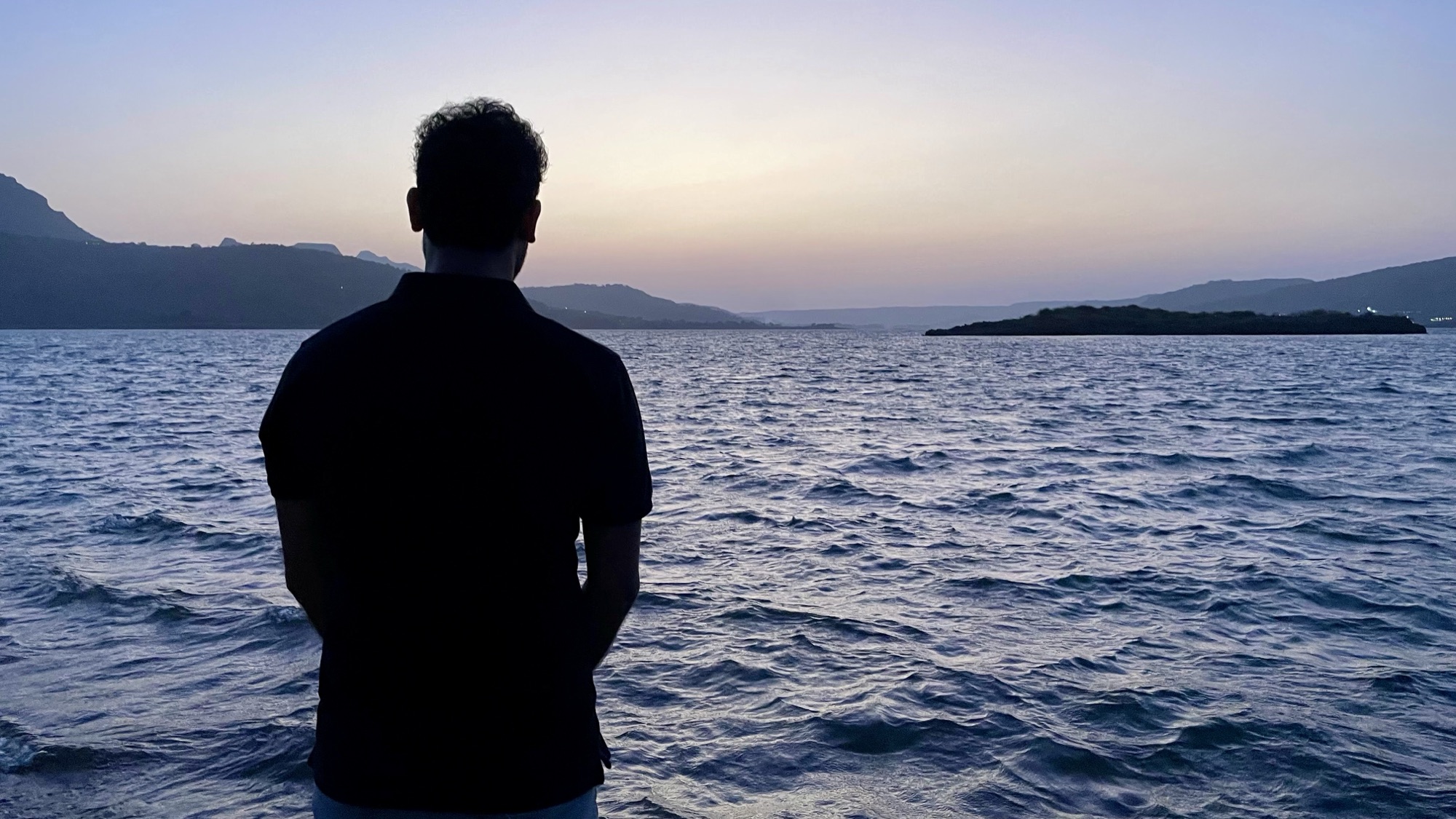
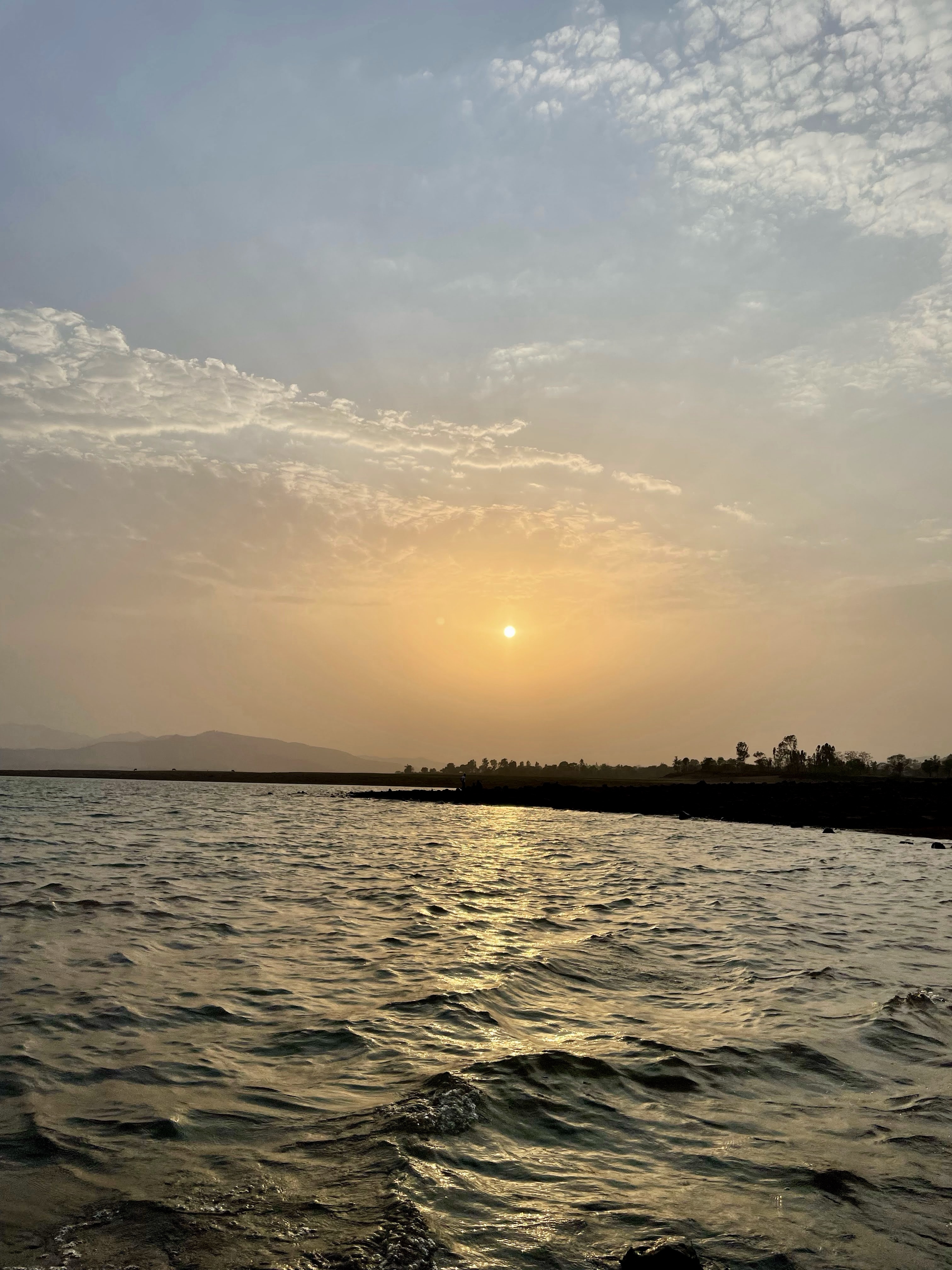
    Pawna Lake is one of the most famous spots near Pune to enjoy an evening or do camping with friends and your loved ones. One Such day we decided to visit the lake to enjoy a sunset. The views of the sunset were truly amazing and place indeed looked magical in the evening. Certainly Pawna lake is one of the best spots to enjoy sunset near Pune.

    Pawna Lake is one of the best places to enjoy an evening. However the place is slowly becoming crowded due to more influx of visitors especially during the weekends. I would recommend visiting the place since the views are worth it.

  • Capturing Sunset at Bhatghar Dam Backwaters-Beautiful and Serene!

    Capturing Sunset at Bhatghar Dam Backwaters-Beautiful and Serene!

    Pawna Lake and Bhatghar Dam backwaters are two of the most famous spots to enjoy sunset near Pune City. However in my personal opinion whereas the views at Pawna Lake are better but the calmness of Bhatghar Dam backwaters makes it much more interesting place to enjoy sunset. The place is not very much crowded and offers many good spots to view sunset.

    Enjoying a beautiful sunset at a calm and serene place away from the hustle and bustle of the city gives a much-needed respite. It provides an escape from the busy city life. Bhatghar Dam backwater is a perfect place for this purpose. Being located at around 40 km from the Pune City the place is easily accessible from the city.
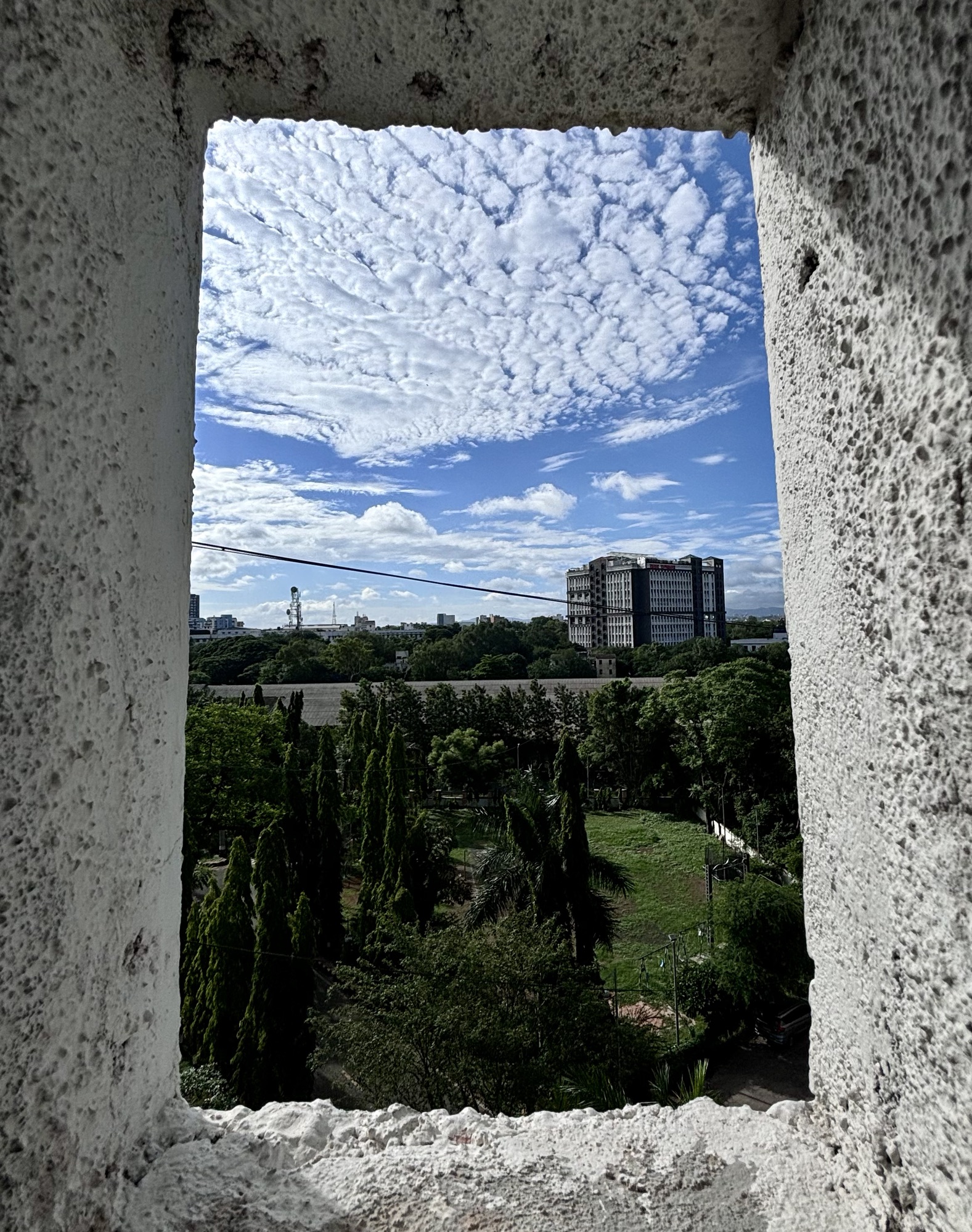
  • Capturing the Beauty of Pune’s Sky: Morning and Evening Views

    Capturing the Beauty of Pune’s Sky: Morning and Evening Views

    Monsoon is perhaps the best season in Pune City. The city is located in the lap of Western Ghats and is also known as the ‘Queen of Deccan’. However just before the onset of Monsoon the sky in the city displays beautiful colours providing a great photo opportunity.

  • Iconic South Mumbai Buildings: Experiencing Heritage Amid COVID Lockdown

    Iconic South Mumbai Buildings: Experiencing Heritage Amid COVID Lockdown

    The South Mumbai area of Mumbai is particularly famous for British Era buildings which have come to define the Mumbai Skyline for past more than 100 years. Some of the iconic buildings of this area include Chhatrapati Shivaji Maharaj Terminus (Victoria Terminus) Building, Bombay Municipal Corporation Building, The Taj Hotel building among many others. Most of these buildings are designed in Victorian and Art Deco design and South Mumbai boasts second largest number of art deco buildings in the world after Miami City. The famous Chhatrapati Shivaji Maharaj Terminus Building has been declared as the World Heritage Building in 2004. This is an article about a walkthrough the South Mumbai during the COVID Lockdown period.

    The COVID lockdown period was a period of grief and suffering to many people and families due to the economic hardships and the unfortunate deaths and sufferings. However due to countrywide locks lock down the traffic on the roads was minimal and cities had become pedestrian friendly. This helped us to see the cities in the original form in the sense that the streets were not claimed by the car traffic.

    During the COVID Lock down period I was posted in Mumbai and my office was located in one of the heritage building known as Chhatrapati Shivaji Maharaj Terminus. During my free time I used to walk in the streets of South Mumbai city and was able to click some beautiful pictures of the most iconic buildings of the South Mumbai. This post is about some of those photographs.

    1. Chhatrapati Shivaji Maharaj Terminus Building

    This iconic building was designed by British architectural engineer Frederick Williams Stevens. The building is designed in Gothic style and was completed in 1887 marking 50 years of Queen Victoria’s rule. The building was declared as World heritage Building in April 2004. The building is currently the headquarter of Central Railway.

    Front View of Building
    Side view of CSMT building
    Sunset view of Sky over CSMT building

    2. Churchgate Terminus( Western Railway Headquarters Building)

    This beautiful building was designed by Frederick Williams Stevens. The construction began in 1889 and completed in 1899. The building presently houses the Western Railway Headquarter.

    3. Municipal Corporation Building(BMC Building)

    The Brihanmumbai Municipal Corporation (BMC), or Municipal Corporation of Greater Mumbai (MCGM) is the governing civic body of Mumbai. The building was designed by Robert Fellowes Chisholm who is credited with the revival of Indo Saracenic style of architecture in India. The foundation stone was laid in December 1884 and the building was completed in 1893.

    BMC Building (Evening View)
    BMC Building (Night View)

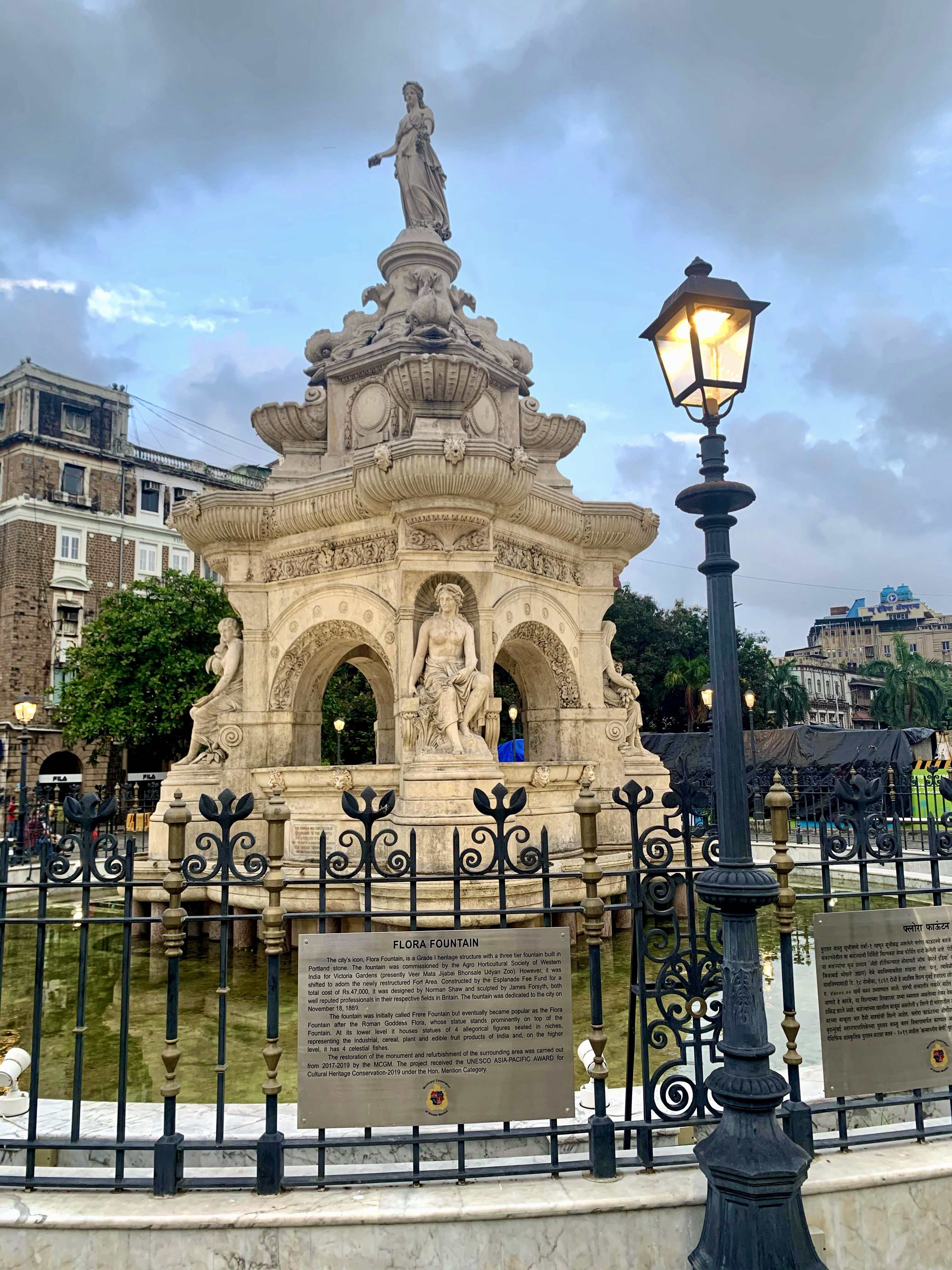
    4. Flora Fountain

    Built at a total cost of Rs. 47,000, or 9,000 pounds sterling Flora Fountain is located on historic Dada Bhai Naoroji Road on Hutatma Chowk. The fountain depicts the Roman Goddess Flora and is a famous icon of the fort business district of South Bombay.

    Flora Fountain
    Hutatma Chowk

    5. Asiatic Society Circle/Fort Area(Mumbai)

    During the COVID period this place was very calm having no people at all. Shooting pictures of this place at that time was once in a lifetime opportunity.

    6. Kala Ghoda

    This area is particularly famous for being the art district of Mumbai area. Many of the art festivals including the kala ghoda festival is held in this area.

    7. Sunset at Marine Drive

    During the COVID period the environment was clean and hence the Mumbai skyline was very clear from the Marine drive. The view of the sunset from this point was particularly mesmerizing.

    Mumbai Skyline from Marine Drive

    8. Other Random Clicks

    Due to less vehicular movement and the area being free of crowd the entire area was pretty beautiful and all the buildings were giving their most beautiful view.

    Overall seeing the city of old Mumbai during the COVID times was once in a lifetime experience.