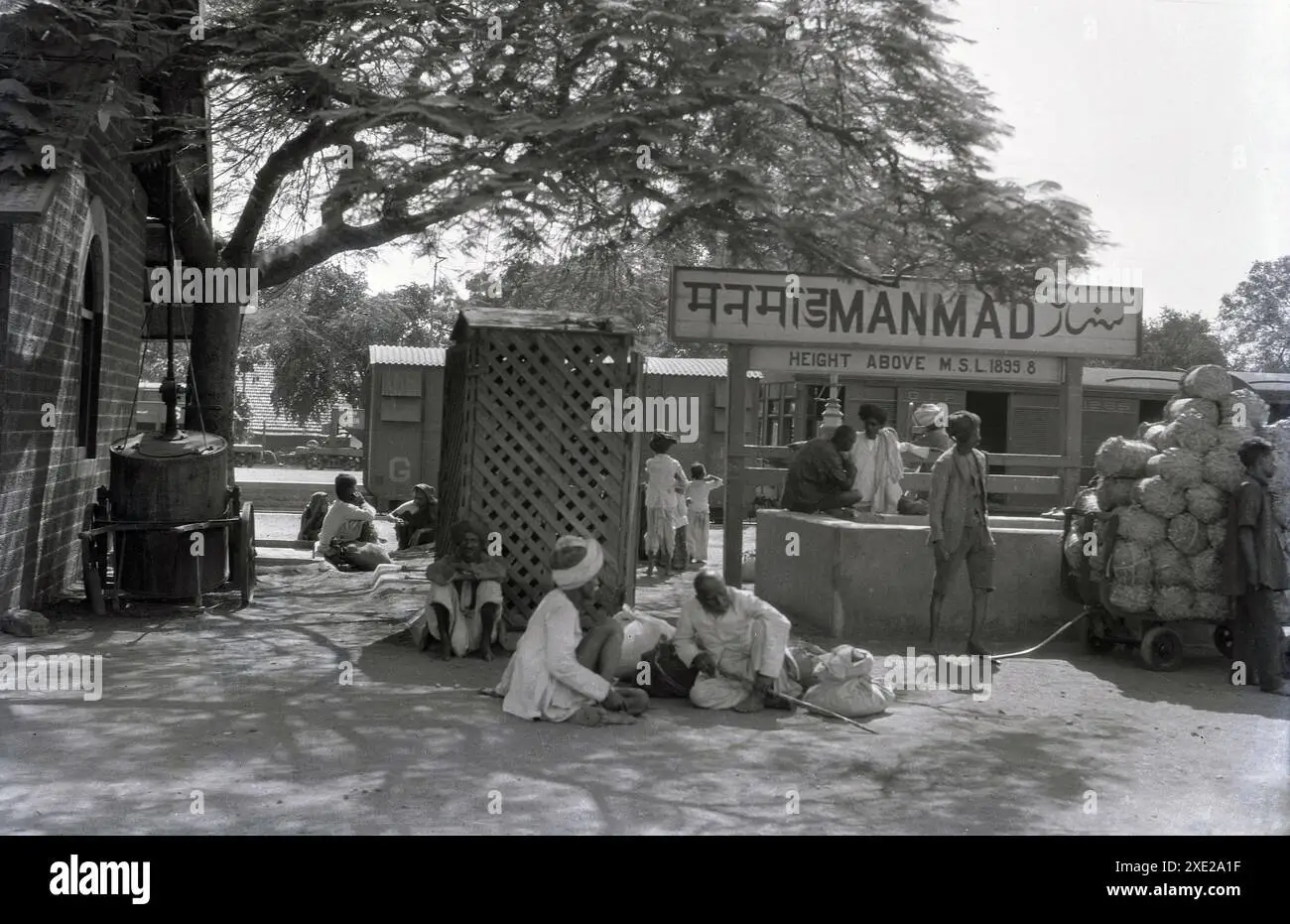
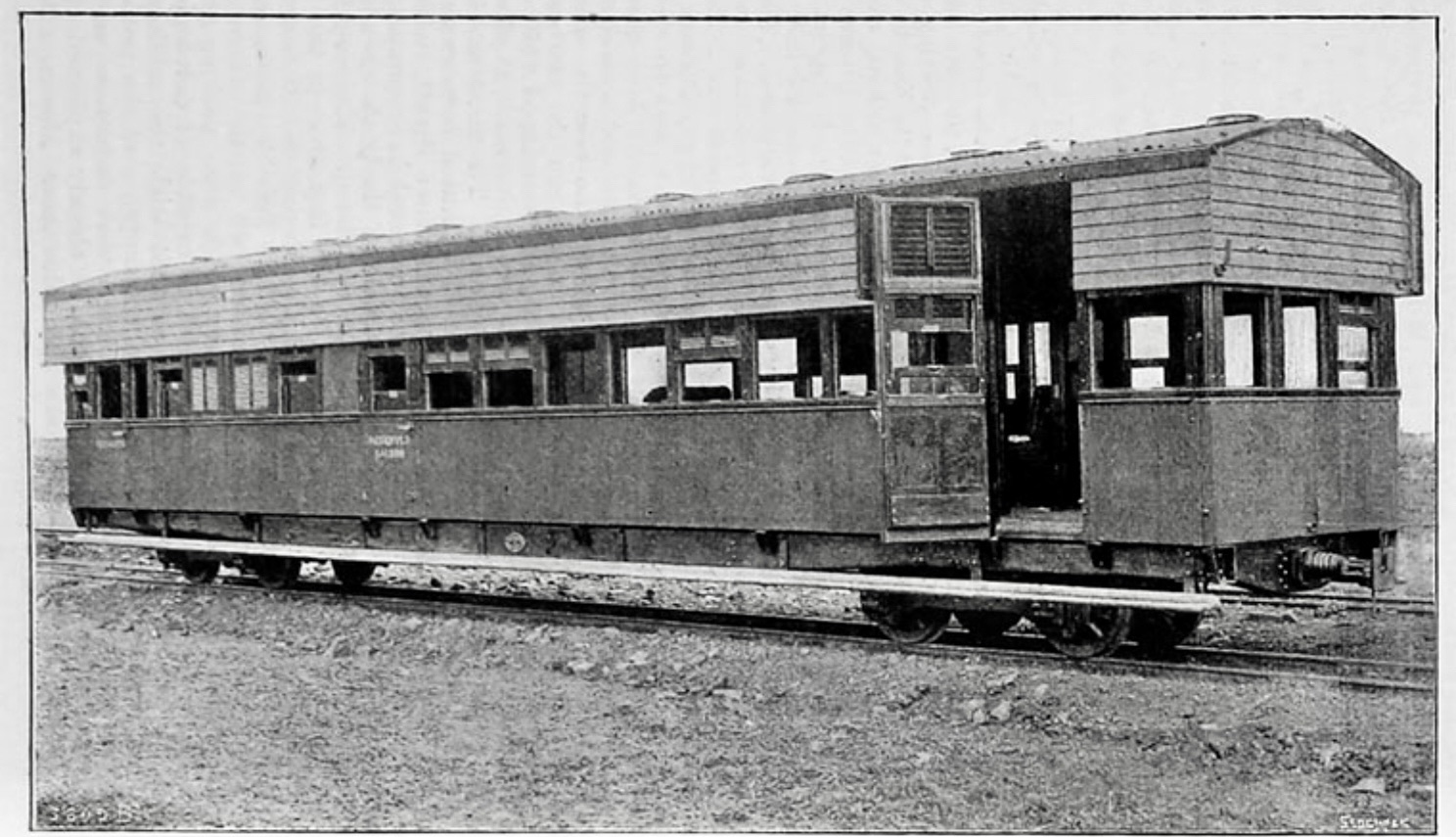
The construction and operation of the Daund-Manmad Railway line during the British colonial period (1878-1947) fundamentally transformed the social and economic landscape of Maharashtra and neighboring regions. This strategic “chord line” connecting the Great Indian Peninsula Railway’s southeastern and northeastern divisions catalyzed unprecedented changes in demographics, commerce, agriculture, and social structures across the Deccan plateau.
Demographic and Migration Patterns
Large-Scale Population Movement
The Daund-Manmad Railway triggered substantial demographic shifts throughout the region, fundamentally altering settlement patterns and population distribution. The railway construction phase (1875-1880) attracted thousands of migrant workers from across Maharashtra, Gujarat, Madhya Pradesh, and other regions of British India. This initial wave of construction-related migration established permanent settlement patterns that persisted throughout the colonial period.
Rural-to-urban migration accelerated dramatically after the railway’s completion in 1878. Daund emerged as a major railway junction, transforming from a small agricultural town into a significant urban center. The town’s population expanded exponentially as it became a hub for more than 125 coal engines and their associated workforce. Even today a new Electric Loco shed has been established which shows the importance of Daund as a railway town. Similarly, Manmad developed into a crucial junction connecting British territories with the Nizam’s Guaranteed State Railway, facilitating movement between the princely state of Hyderabad and colonial Maharashtra.
The railway facilitated seasonal migration patterns linked to agricultural cycles and railway maintenance schedules. During construction and later expansion phases, temporary labor camps housed thousands of workers who later established permanent communities along the railway corridor. These migration patterns created lasting demographic changes, with railway towns becoming cosmopolitan centers housing diverse linguistic, religious, and caste communities.
Inter-Regional Connectivity and Social Integration
The improved connectivity facilitated inter-regional marriage alliances and social relationships that had been previously constrained by distance and transportation difficulties. The railway enabled regular communication and travel between communities across the Deccan, gradually breaking down regional isolation that had characterized rural Maharashtra for centuries.
Census data from the colonial period indicates that immigration to railway towns significantly exceeded natural population growth. In Daund, the establishment of railway facilities created a receiver station of the Imperial Wireless Chain and military camps during World War II, further attracting diverse populations and enhancing the town’s strategic importance.
Economic Transformation
Agricultural Commercialization and Market Integration
The Daund-Manmad Railway fundamentally altered agricultural practices and market relationships across the corridor region. The railway reduced transportation costs by an estimated 15-20% between northern and southern India, making previously unprofitable agricultural exports economically viable.
Cotton cultivation expanded dramatically in areas with railway access, as farmers could now transport their produce efficiently to Bombay’s cotton markets and processing facilities. This shift from subsistence to commercial agriculture increased cash crop cultivation by an estimated 25-40% in the railway corridor. The integration with Bombay’s cotton export trade generated approximately Rs. 5-10 million annually in additional trade value during peak periods.
The railway also facilitated the development of truck farming and market gardening to supply urban centers with perishable goods. Farmers near railway stations could now transport fruits, vegetables, and dairy products to distant urban markets, increasing perishable trade by approximately 50%.
Industrial Development and Manufacturing
The railway corridor witnessed significant industrial development, particularly in sectors related to railway operations and agricultural processing. Cotton processing facilities were established along the route to take advantage of improved transportation access to both raw materials and export markets. The estimated investment in these facilities reached Rs. 1-2 million during the peak development period.
A unique industrial development emerged from railway operations themselves- brick manufacturing using coal ash from steam locomotives. The abundance of coal ash from Daund’s locomotive shed, which housed more than 125 coal engines, created a thriving brick-making industry that supplied construction materials to major cities across India. This industry generated approximately Rs. 500,000 in annual economic activity and provided employment for hundreds of workers.
Railway workshop and maintenance facilities developed at major stations, creating specialized industrial employment and technical skills training. These workshops required significant capital investment (estimated at Rs. 200,000) and employed skilled craftsmen, engineers, and mechanics.
Decline of Traditional Industries
The improved transportation connectivity had devastating effects on traditional handicraft industries. Cheaper British manufactured goods could now reach previously isolated markets more efficiently, leading to a 40-60% decline in traditional handicraft production. This industrial displacement forced thousands of traditional artisans to seek alternative employment in railway-related industries or migrate to urban centers.
Employment and Labor Market Changes
Direct Railway Employment
The Daund-Manmad Railway created approximately 2,000 direct employment positions in various categories including engineers, station masters, signalmen, guards, drivers, firemen, and maintenance workers. These positions provided annual wages totaling approximately Rs. 150,000, representing a significant injection of steady income into the local economy.
The railway employment offered unprecedented social mobility for individuals from lower castes and disadvantaged backgrounds. Railway jobs provided regular salaries, standardized working conditions, and opportunities for advancement that were largely absent in traditional occupations. This employment transformation contributed to the breakdown of rigid caste-based occupational restrictions. This has been perhaps one of the most important impact of Railways in the long term.
Ancillary Service Industries
Railway operations stimulated the development of extensive ancillary service industries generating approximately Rs. 300,000 in annual economic activity. These included:
- Hotels and lodging facilities for railway passengers and traveling merchants
- Food vendors and catering services at railway stations
- Transportation services connecting railway stations to surrounding towns and villages
- Trading and commercial establishments facilitating goods movement
- Banking and financial services supporting increased commercial activity
Women’s Employment Opportunities
The railway system created new employment opportunities for women, particularly in roles as vendors, cleaners, and service providers at railway stations. While these positions were often informal and poorly paid, they represented some of the first opportunities for women to engage in regular wage labor outside traditional household occupations.
Social Structure and Community Development
Emergence of Railway Communities
The establishment of railway operations led to the formation of distinct railway worker communities with their own social institutions, recreational facilities, and collective identity. Railway colonies with standardized housing were constructed at major stations, creating planned residential areas that contrasted sharply with traditional village layouts.
These railway communities developed cooperative societies, worker unions, and social organizations that provided mutual support and collective bargaining power. The railway workers also established recreational clubs and educational institutions that served not only railway families but also the broader community. The building of community hall and clubs in the colonies made increased social interaction possible leading to increased flow of modern ideas. The two British era community halls in Daund stands testament to this fact even today.
Cultural Integration and Social Change
The railway facilitated increased interaction between different linguistic and religious communities, promoting cultural exchange and social integration across previously isolated regions. The standardization of railway time introduced modern temporal concepts to rural areas, gradually replacing traditional time-keeping methods based on agricultural and religious cycles.
The railway’s connection between British territories and the Nizam’s state at Manmad facilitated integration of princely state populations with colonial administrative and commercial systems. This integration accelerated the adoption of British administrative practices and commercial relationships across political boundaries.
Educational and Health Infrastructure
Railway towns witnessed significant investment in educational institutions to serve the growing populations and meet the literacy requirements of railway operations. These schools often provided education in multiple languages to accommodate the diverse communities attracted to railway employment.
Healthcare facilities improved substantially in railway towns, as the colonial administration recognized the importance of maintaining healthy railway workers and their families. Railway dispensaries and hospitals provided modern medical care that was often unavailable in traditional rural areas.
Regional Economic Integration
Trade Route Optimization
The Daund-Manmad Railway created a crucial transportation corridor that reduced the need for lengthy detours through Bombay for trade between northern and southern India. This optimization reduced transportation costs and time, making previously unprofitable trade routes economically viable.
The railway facilitated integration between grain surplus and deficit regions, enabling efficient food distribution during normal periods and famine relief during crises. Although the impact of railways in reducing famines is debatable. The enhanced connectivity allowed grain traders to arbitrage price differences between regions, generally reducing price volatility and improving food security.
Financial and Investment Impact
The British colonial government invested approximately £800,000 (Rs. 1.2 crore in 1878 values) in the construction of the Daund-Manmad Railway. This substantial capital investment had significant multiplier effects throughout the regional economy, creating employment during construction and establishing permanent infrastructure that facilitated ongoing economic activity.
The railway enhanced tax revenue collection for the colonial administration by approximately Rs. 200,000 annually through increased trade, property values, and economic activity. This revenue enhancement helped justify continued investment in railway infrastructure expansion.
Banking and credit facilities developed in railway towns to support the increased commercial activity, with an estimated Rs. 50,000 in new financial capital establishment. These facilities provided credit for traders, farmers, and small entrepreneurs seeking to capitalize on improved transportation access.
Long-term Developmental Consequences
Urban Development Patterns
The railway established urban development patterns that persist to the present day. Daund and Manmad evolved into permanent transportation and commercial centers whose economic importance transcended the colonial period. The modern doubling project worth Rs. 2,081.27 crores approved in 2017 demonstrates the continuing strategic importance of this British-era transportation corridor. As of today the doubling is about to get completed from Daund to Manmad.
Social Legacy
The social changes initiated by the railway had lasting effects on caste relations, occupational mobility, and community structures throughout the region. The breakdown of traditional occupational restrictions and the emergence of merit-based railway employment contributed to gradual social modernization that accelerated after independence.
The cosmopolitan communities that developed in railway towns created lasting traditions of linguistic and religious diversity that continue to characterize these areas. The educational and healthcare infrastructure established during the railway period provided foundations for continued development in the post-independence era.
The social and economic impact of the Daund-Manmad Railway during the British period was transformative and far-reaching, extending well beyond the immediate transportation benefits to fundamentally reshape demographic patterns, economic structures, and social relationships across the Deccan plateau. The railway catalyzed rural-to-urban migration, agricultural commercialization, industrial development, and social modernization while simultaneously contributing to the decline of traditional industries and social structures.
The economic benefits, including reduced transportation costs, market integration, and new employment opportunities, generated substantial wealth creation estimated at over Rs. 10 million annually in direct and indirect economic activity. However, these benefits were accompanied by social disruption, including the displacement of traditional artisans and the challenges of rapid urbanization.
The railway’s role in facilitating integration between British territories and princely states, particularly through the Manmad connection to Hyderabad, demonstrated its broader strategic importance in colonial administration and economic policy. The infrastructure and social changes initiated during this period established foundations that continue to influence regional development patterns, as evidenced by the ongoing significance of the Daund- Manmad corridor in contemporary Indian transportation planning.