Tag: nature

  • A Transforming Trek to Deorital-Chandrashila

    A Transforming Trek to Deorital-Chandrashila

    Regular Office work can lead to a boredom in long run. It was a sunny winter day when I was having a discussion with one of the office colleagues to do something different as we were feeling bored due to the repetitive nature of the work in a government system. It was at this point that a thought came up to do a High Altitude trek in the Himalayas. The major reason for selecting this option was to see the ice covered mountains for the first time in our lifetime. Having decided to do a trek in Himalayas the search for the suitable trek begun. At first we decided to do a winter trek but the harsh winter in the Himalayas scared us and we decide to do a spring trek instead. Since spring is the rhododendron blooming season we started searching for a trek which has the maximum bloom of rhododendrons. The search ended at the not so famous but extremely beautiful trek known as Deorital-Chandrashila trek.

    Deorital-Chandrashila trek is a trek which is mostly known for the blooming Rhododendrons and the sighting of beautiful birds. It is also known for Tungnath Temple which is one of the five Kedars in the Himalayas. The trek is a four day Journey into the beautiful landscapes of Kedarnath Bird sanctuary and ends with the summit climb of Chandrashila peak at the final day.

    The Journey to Base Village

    Sari is the base village to the Deorital Trek. Sari is a beautiful ancient village nestled in the lap of Himalayas at around 6000 feet. The Village is located at a distance of around 240 KM from Dehradun. Since my wife was also going for the trek with me, we took a taxi to drive us to Sari Village. The drive was scenic and we stopped at the famous Devprayag-the meeting point of Alaknanda and Bhagirathi rivers. It took us around 8 hrs to reach the base village.

    Confluence of Alaknanda and Bhagirathi
    Getting Settled up at Base Village

    I had booked the trek through IndiaHikes. The hiking agency has a camp office at Sari Village. We reached the base camp at Sari at around 5:00 PM and got settled up in the tents at the IndiaHikes campus. Once we came out of our tents for the evening tea our guide showed us the first glimpse of the Chandrashila Peak. While looking at the peak it looked both beautiful and Challenging. In fact Deorital-Chandrashila is one of the few treks where the peak is visible from the base camp itself.

    View of Chandrashila peak from Sari Village

    One Good thing about the IndiaHikes is that they have a detailed plan laid out for all of their treks. The Trek leader and the support staff are well trained and supportive of any of the needs. This makes the trekking experience very pleasant and memorable.

    Day-1: Sari Village to Deoriatal Lake

    As the famous saying goes- Journey of a thousand miles begins with a single step. We started the 35 km long trek from the Sari village to reach Chandrashila peak four days later. The journey of the next four days was going to be transforming and memorable. The trek starts with steep ascent for the first 1 hour with many of the houses in the vicinity. However After about and hour the slope becomes gentle and easy on the legs. When we started our journey from the base village few of us were really beginning to think that they were not going to make it to the peak. But when you start doing any such thing you really get to know your body capabilities. After about 1 hr out bodies were quiet comfortable with the hike and we all has achieved our natural pace.

    The first campsite of this trek is truly a memorable experience. The campsite is located in the vicinity of the Deoraital Lake. This lake is popularly famous in Indian mythology because this is the place where the Yaksha Prashna episode unfolded between Yudhishthira and Yaksha (a divine nature spirit). Naturally also this alpine lake is famous for its mirror-like reflections of the Chaukhamba massif and its calm, meditative atmosphere.

    During the winter this lake gets frozen and the entire area gets covered by snow which adds to the experience of the trekker. However the most beautiful part of this place is the magical evening alongside bonfire and birdwatching. During my camping at this place I could spot many birds. If you are a bird watcher then this is the trek to do in Himalayas. The bird activity is especially high during the morning and in the month of spring.

    Day-2 Deoriatal to Syalmi via Rohini Bugyal

    This is the first long day of the trek with roughly 9 Kms to cover. We started the trek early in the morning to reach Rohini Bugyal during the lunch hour. This day is exclusively for the rhododendron lovers. The rhododendrons are found all over the trek on this day with their colours changing with the change in altitude. When you start early in the morning you can spot plenty of birds perched on the tree top sunbathing. This entire day you are trekking in Kedarnath Wildlife sanctuary and if you are lucky you can spot some wildlife too. We were lucky that we were able to spot a Himalayan Jackal just ahead of the Rohini Bugyal although I could not film it. The major highlight of this day was the rhododendrons and the lunch at the Rohini Bugyal.

    In the above pictures look for the fading colours of the rhododendrons as the height increases. This was my first encounter with these trees and it was just an amazing experience.

    Having Lunch overlooking the majestic mountains was an all together a different experience.

    The sunset at the Shyalmi campsite was just amazing. Watching sunset high up in the mountains far away from the civilisation is just a different experience all together.

    However my most unique experience of the day was the Shepherd houses. I was seeing them for the first time. These houses are simple lacking any kind of amenities. Shepherds live here when they come to stay here during the dummers. If you are lucky and the sky in cloud less you can do stargazing in the night. This campsite is an excellent place for stargazing. However we were little unlucky, it was cloudy that day.

    Day-3 Syalmi to Baniyakund

    The distance of this day is approximately 6.5 km and it takes 4 to 5 hour to cover this distance by walk. This day is fully dedicated to forest walk and feeling the nature around us. The day is not very difficult neither it is very easy. We started our trek at 9 AM in the morning to reach the Baniya-Kund Campsite around 3 PM. The forest section on this day is thick and majestic. If you are trekking peacefully you can hear the sound of the forest. We could hear the sound of many of the birds during the morning time of our trek.

    A beautiful experience of this day is that you trek along the river stream. The sound of water is with you throughout the day of your trek which is a different experience all together. The Baniyakund campsite is located at location which is quite touristy. If you are a snow lover it quite definite that you will find snow at this campsite even in March and April as well.

    Day-4 Summit Day

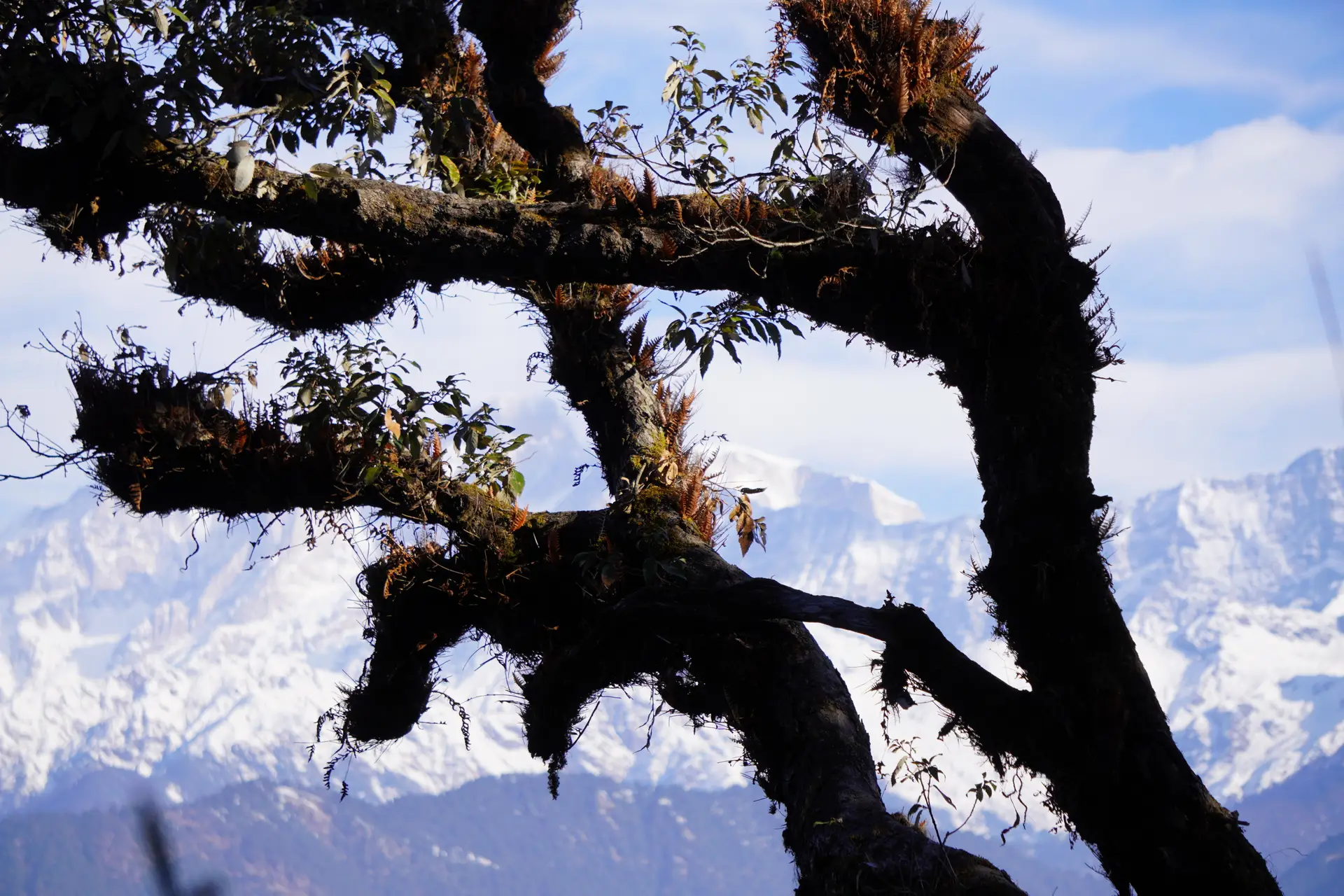
    This was the longest, hardest and most rewarding day of the trek. The summit push starts at 3 am in the morning. However in my opinion it starts way before that in your mind. The summit of Deorital Trek is one of the most beautiful summit. You get to see 360 degree view of the Himalayan peaks from the Chandrashila peak which itself is a 4200 meter peak. At the start of the this day trek we started from the campsite to reach the starting point of Tungnath Temple trek at about 5 am. From here the actual trek starts. If you trekking in winter and spring you will encounter huge snow in this area. The snowcapped meadows are one of the most beautiful landscape which you will encounter on this trek.

    Since I started early in the morning the view of sunrise from this meadow was a mesmerizing experience. The sunrise looks so good that it takes away all the discomfort of waking up at 3 am in the morning.

    This day holds another treasure for wildlife lovers. The colourful state bird of Uttarakhand Monal is especially found in this area. I was lucky enough to spot a pair of Monal on this route in the morning although I could not film it.

    Darshan of Tungnath, the highest Shiva temple in the world was a divine experience. Although the temple was closed and filled with snow we did the Darshan from outside. This temple is one of the Panch Kedars and thousands of devotees visit this temple every year.

    The Chandrashila Peak is located at a distance of 1 km from Tungnath and it takes around 1 hrs to reach the Chandrashila peak from Tungnath.

    During my trek due to turn around time I could not reach the Chandrashila peak however everyone who reached the peak was mesmerized by the beauty of the Himalayas.

    The concept of trekking in modern terms is new in India. However during the ancient period this was very much prevalent in our country. Monks used to go in the Jungles to do ‘Tapasya’.

    Deoriatal was my first multi day trek and it was really memorable. The harsh conditions of the mountains made me appreciate whatever I have in my life and the much needed disconnect from the modern world gave me some time to think about myself. Overall it was truly a transforming experience.

  • Photographing Balck Kite (Milvus migrans) In Pune

    Photographing Balck Kite (Milvus migrans) In Pune

    Spotting birds in Indian Cityscape is becoming a rarity now. The cities in India are slowly becoming urban jungles with no space for trees and wildlife. The birds which are frequently visible in the countryside are no where to be found in the cities. However when I spotted this beautiful big birds in my colony I was surprised to see that they are not even surviving but flourishing in the cityscape. Upon enquiring I came to know that this bird was named as Balck Kite (Milvus migrans). The subspecies of this bird M. M. Govinda also known as the small Indian kite or formerly Pariah Kite is found across the Indian cities and their population is thriving in the Indian cities due to their flexible dietary habits.

    Black Kite is a raptor species which means they hunt and eat other animals and have special adaptations for catching and consuming prey. Raptors are also called birds of prey and include eagles, hawks, kites, falcons, owls, and most vultures.

    Black kites inhabit most Indian states, from the Indo-Gangetic plains to Himalayan foothills and northeastern regions, including Delhi, Maharashtra, Karnataka, and Rajasthan. However what I was most curious about was the astonishingly high number of population of these species in PMC area nearby Mula- Mutha river. The major reason for their high density in this area seems to be because of abundance of urban waste from households, markets, and slaughterhouses. This area also provides constant scavenging opportunities, drawing kites to riversides and dumps. Proximity to PMC headquarters along the Mula-Mutha River supports foraging on scraps and small prey like fish or pigeons.

    Studying the changing behaviour of these species shows that species too have the ability to adopt to the changing environment. Also those species are likely to survive more who can adopt to the changing landscape better in a better way. Having these species nearby gives me an excellent opportunity to photograph them and test my photography skills!

  • Chasing Chinkara(Indian Gazelle) Inside Mayureshwar Wildlife Sanctuary!

    Chasing Chinkara(Indian Gazelle) Inside Mayureshwar Wildlife Sanctuary!

    Mayureshwar Wildlife sanctuary is comparatively lesser known but very unique wildlife sanctuary located at a distance of about 75 km from Pune city. The sanctuary is so less popular that when I visited the sanctuary even the google map could not identify the exact location of the sanctuary. I had to take the help of a forest department official to find out the exact location of the sanctuary. However if you really want to learn photography this is the place to go. With comparatively less crowd and wildlife density one can learn the concept of composition and also learn to have patience which is a very important skill in wildlife photography.

    Mayureshwar wildlife sanctuary is unique in the sense that this is probably the only wildlife sanctuary in India where you can take your own vehicle inside the sanctuary for safari purpose. Walking inside the sanctuary is also permitted so one can take a walk in the sanctuary and spot various kind of birds from up close. There is a dedicated watch tower inside the sanctuary from where one can get a birds eye view of the surroundings. However the only menace inside the sanctuary are street dogs. You can find them in good numbers in the sanctuary roaming around and they can be very scary.

    The sanctuary is dominated by semi arid grasslands and dry deciduous scrub forests. Acacia catechu (Khair), Dalbergia latifolia (Sissoo), and Ziziphus mauritiana (Ber) are the primary tree species found in the sanctuary. These trees are interspersed with grasslands. This makes spotting the wildlife very easy inside the sanctuary.

    The sanctuary is famous for Indian gazelle (Chinkara) who are found here in herds. However if you are lucky then you can also spot Indian gray wolf, striped hyena, Indian fox, jackal, and Hares. During my visit to the sanctuary I was able to spot a big herd of Chinkara running across the sanctuary however I could not properly photograph it.

    The sanctuary is also famous for many different kinds of birds. The bird species include Indian roller, short-toed snake eagle, Bonelli’s eagle, and Grey Francolin. There are certain winter visitors also like European Roller and Montagu’s Harrier.

    Population pressure on nature is rising day be day in India. However these small efforts to create the sanctuaries for preserving the population of certain species gives us hope that our future generations will be above to see these species in wild.

    The best time to visit the sanctuary is from November to March as the weather is pleasant at this time. I visited the sanctuary in the month of September which was probably not the best of times. The Forest department has a small guest house also at the starting gate of the sanctuary. One can stay there if he wants to spend a peaceful night in the nature not for away from Pune. The morning and Evening walk inside the sanctuary feels really refreshing.

  • Capturing Monal at Tungnath!

    Capturing Monal at Tungnath!

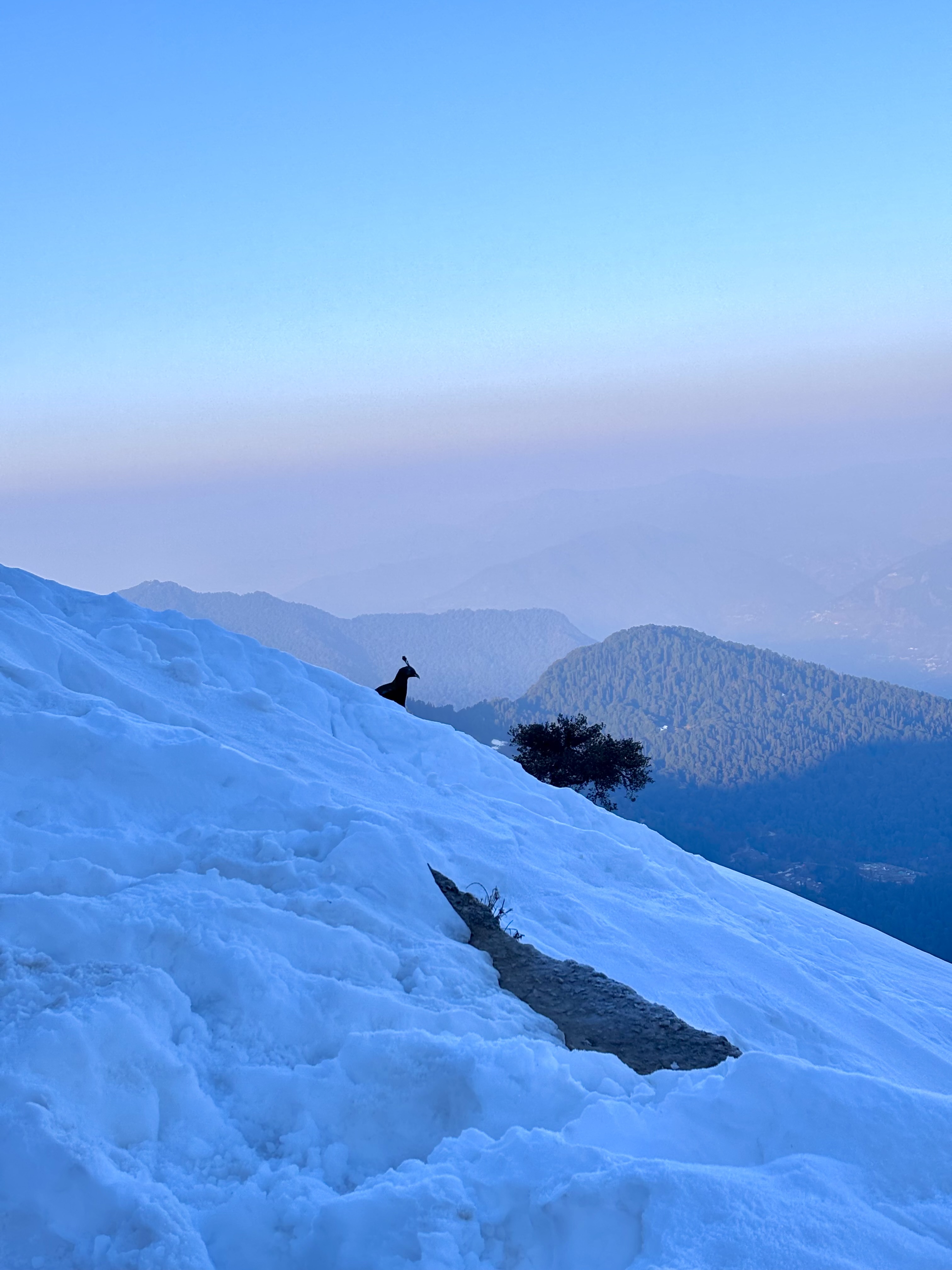
    During my recent trek to Deorital-Chandrashila I was able to capture(though not fully) a beautiful Monal Bird on my way to Chandrashila peak.

    The Monal bird, also known as the Himalayan Monal (Lophophorus impejanus), is a beautiful and vividly colored pheasant native to the Himalayan mountains. It holds ecological, cultural, and symbolic significance in the region. The bird prefers alpine meadows, forests, and shrublands between 2,100–4,500 meters altitude and you can easily spot it if you are trekking to Tungnath in the spring season. In Buddhist and Hindu symbolism, it represents divine beauty and dignity.

    A Himalayan Monal
  • A visit to Yedshi Ramling Ghat Wildlife Sanctuary

    A visit to Yedshi Ramling Ghat Wildlife Sanctuary

    Yedshi Ramling Ghat Wildlife Sanctuary is a protected area located in the Osmanabad district of Maharashtra, India. Established on May 23, 1997, the sanctuary spans approximately 22.38 square kilometers and is managed by the Maharashtra State Forest Department. It is situated in the villages of Yedshi, Wadgaon, and Bhanasgaon within the Kalamb Tehsil. The sanctuary lies in the Balaghat mountain range of the Sahyadri hills, about 20 km from Osmanabad city and 95 km from Beed.

    Flora and Fauna

    The sanctuary features South Deccan Plateau dry deciduous forests and thorny scrublands. Common tree species include teak (Tectona grandis), sandalwood (Santalum album), neem (Azadirachta indica), and various Acacia species. Shrubs like Lantana camara and Carissa carandas are also prevalent.

    Wildlife in the sanctuary includes leopards, sloth bears, blackbucks, jackals, wolves, foxes, monitor lizards, porcupines, barking deer, and hares. Over 100 bird species have been recorded, making it a notable spot for birdwatching.

    A significant attraction within the sanctuary is the ancient Ramling Temple dedicated to Lord Shiva. Nearby, there’s a waterfall and a cave associated with local legends involving figures from the Ramayana, such as Ravana and Jatayu. These sites add cultural and mythological significance to the natural beauty of the area.

    Since a long time I had a fascination for visiting the Yedshi Ramling Ghat Sanctuary. This was mainly because the sanctuary used to be the starting point of now defunct Barsi Light Railway and a mejestic railway rest house is located inside the sanctuary. Since long I had this fascination for studying about the heritage railways. So I wanted to go to this place to see the now defunct basri Light Railways and appreciate the Railway Heritage. However once I reached there I could appreciate the true beauty of the place. The largely undisturbed wildlife sanctuary is a beautiful sight to see the bird and occasionally spot a few animals also.

    The place located in Osmanabad district of Maharashtra is appreciated for its natural beauty specially during the rainy season. When I visited the sanctuary, there was a scare of Tiger being roaming inside the sanctuary. During our evening walk we could hear the roar of the tiger although it was far away from us, but still it was scary. However the real thrill was spotting the beautiful birds in the sanctuary and shooting them with my camera. We had a beautiful quiet evening inside the sanctuary in the Railway Rest house and it was indeed a thrilling experience.

  • Capturing Sunset at Pawna Lake !

    Capturing Sunset at Pawna Lake !

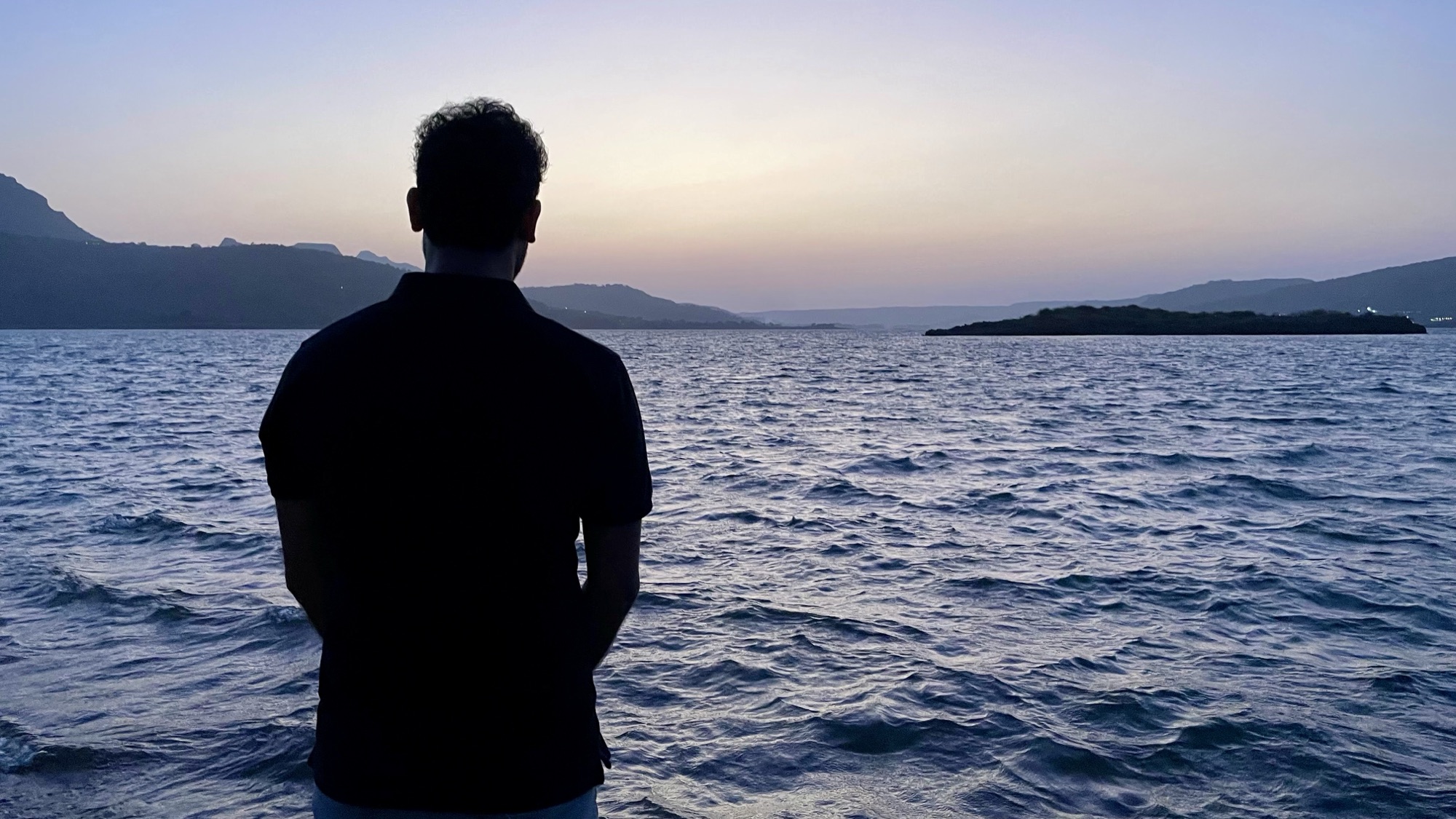
    Pawna Lake is one of the most famous spots near Pune to enjoy an evening or do camping with friends and your loved ones. One Such day we decided to visit the lake to enjoy a sunset. The views of the sunset were truly amazing and place indeed looked magical in the evening. Certainly Pawna lake is one of the best spots to enjoy sunset near Pune.

    Pawna Lake is one of the best places to enjoy an evening. However the place is slowly becoming crowded due to more influx of visitors especially during the weekends. I would recommend visiting the place since the views are worth it.

  • Capturing Sunset at Bhatghar Dam Backwaters-Beautiful and Serene!

    Capturing Sunset at Bhatghar Dam Backwaters-Beautiful and Serene!

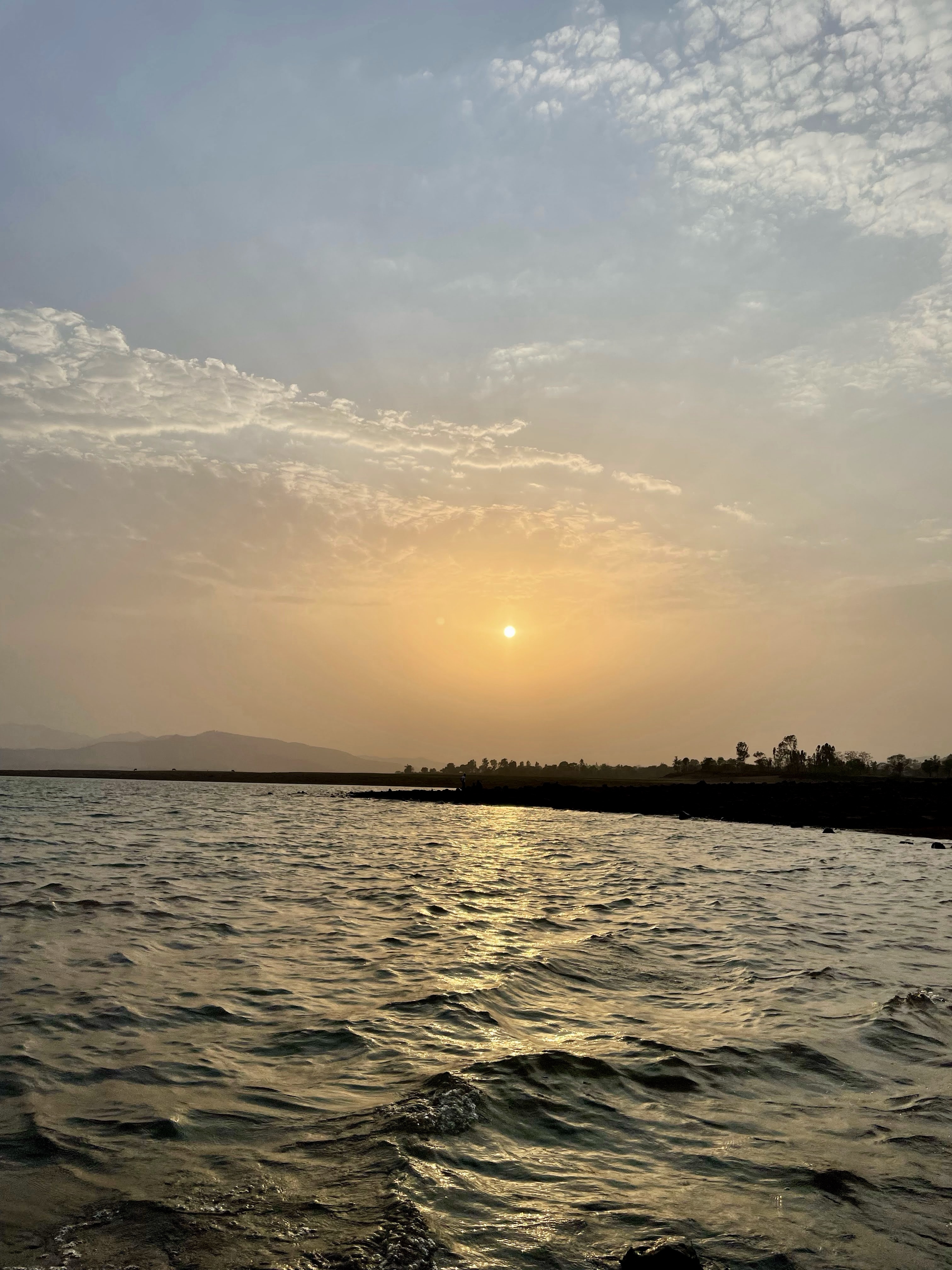
    Pawna Lake and Bhatghar Dam backwaters are two of the most famous spots to enjoy sunset near Pune City. However in my personal opinion whereas the views at Pawna Lake are better but the calmness of Bhatghar Dam backwaters makes it much more interesting place to enjoy sunset. The place is not very much crowded and offers many good spots to view sunset.

    Enjoying a beautiful sunset at a calm and serene place away from the hustle and bustle of the city gives a much-needed respite. It provides an escape from the busy city life. Bhatghar Dam backwater is a perfect place for this purpose. Being located at around 40 km from the Pune City the place is easily accessible from the city.

  • Capturing the Beauty of Pune’s Sky: Morning and Evening Views

    Capturing the Beauty of Pune’s Sky: Morning and Evening Views

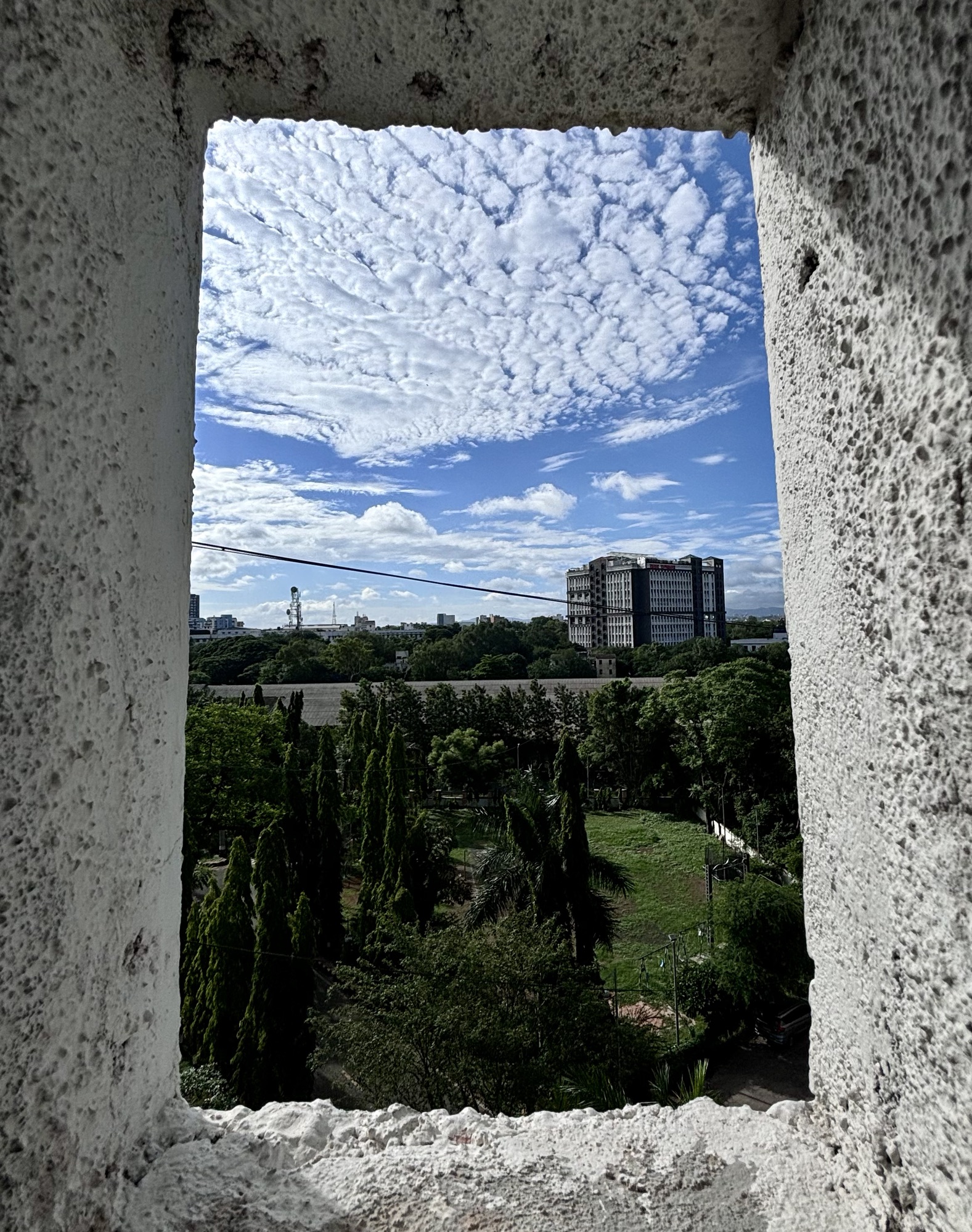
    Monsoon is perhaps the best season in Pune City. The city is located in the lap of Western Ghats and is also known as the ‘Queen of Deccan’. However just before the onset of Monsoon the sky in the city displays beautiful colours providing a great photo opportunity.

  • Unveiling Orchha: A Journey Into Bundela Dynasty’s Legacy!

    Unveiling Orchha: A Journey Into Bundela Dynasty’s Legacy!

    India is a land of great cultural and religious diversity. The country is home to many of the ancient town and cities which give us a glimpse into the history and lifestyle of the past. Orchha is a small town in the central Indian state of Madhya Pradesh. It is a hidden gem that offers a captivating glimpse into India’s rich history and architecture. Located on the banks of the Betwa River, Orchha is known for its stunning palaces. The town also has intricately designed temples and well-preserved forts. These structures transport visitors back to the era of the Bundela kings who once ruled this region.

    View of Orchha Town

    Orchha has a rich and fascinating history that dates back to the early 16th century. It was founded in 1501 AD by Rudra Pratap Singh. He was a Bundela Rajput chief and the first ruler of Orchha. The town served as the capital of the Bundela dynasty for several centuries. Under their rule, Orchha flourished. It became a significant cultural and architectural center.

    Key Historical Periods in Orchha

    1. Foundation and Early Development (16th Century)

    • Rudra Pratap Singh, the founder of Orchha, established the town on the banks of the Betwa River. He strategically chose the location for its natural defense advantages. He began the construction of the Orchha Fort. He laid the foundations for what would become a powerful and culturally vibrant kingdom.
    • The Bundela rulers, over time, constructed a series of palaces, temples, and other structures that reflected their wealth and power. Orchha quickly became known for its unique blend of Rajput and Mughal architecture.

    2. Raja Bir Singh Deo’s Reign (1605-1627)

    • One of the most notable rulers of Orchha, Raja Bir Singh Deo, is credited with bringing Orchha to its zenith. Bir Singh Deo was a contemporary and ally of the Mughal emperor Jahangir. He is known for his military prowess and architectural contributions.
    • He constructed several magnificent structures in Orchha. These include the Jahangir Mahal, built to commemorate Emperor Jahangir’s visit to Orchha, and the Chaturbhuj Temple. His reign marked a period of prosperity and cultural development, making Orchha a prominent regional power.

    3. Mughal Influence and Conflicts (17th Century):

    • The relationship between the Bundela rulers and the Mughal Empire was complex, marked by periods of alliance and conflict. While Bir Singh Deo enjoyed a close relationship with Jahangir, later rulers faced challenges from the Mughals.
    • Madhukar Shah, the father of Bir Singh Deo, had a tumultuous relationship with the Mughal emperor Akbar, leading to conflicts that affected Orchha’s political stability. Despite this, the Bundelas managed to maintain their autonomy for a significant period.

    4. Decline and Maratha Influence (18th Century):

    • The 18th century saw the decline of Orchha’s power as the Mughal Empire weakened and the Marathas began to expand their influence in central India. Orchha, like many other Rajput states, struggled to maintain its independence in the face of growing Maratha power.
    • During this period, Orchha’s political significance diminished, and the town gradually lost its status as a major regional center. However, the Bundela rulers continued to patronize arts and architecture, leading to the construction of more temples and palaces.

    5. British Colonial Period and Post-Independence:

    • In the 19th century, Orchha came under British suzerainty, and the town’s significance further declined. However, the Bundela rulers retained their titles and continued to play a role in local governance under British rule.
    • After India’s independence in 1947, Orchha became part of the state of Madhya Pradesh. However, the town has since become a significant tourist destination. Its historical and cultural heritage attracts visitors interested in its history and architecture.

    Key Attractions in Orchha

    Orchha Fort Complex:

    • The heart of the town, this complex houses several historical buildings. The Jahangir Mahal is a highlight, with its impressive Indo-Islamic architecture and panoramic views of the surrounding landscape.
    • Raja Mahal, another palace within the fort, is famous for its beautiful murals. It also boasts intricate artwork that depicts scenes from religious epics.
    • Sheesh Mahal, now converted into a heritage hotel, offers a glimpse into the royal lifestyle. One can stay in this hotel to have a real life view of the lifestyle in the medieval period.

    Chaturbhuj Temple:

    This towering temple is dedicated to Lord Vishnu and is unique for its blend of temple and fort architecture. The temple stands on a massive stone platform and offers breathtaking views of the town and the surrounding countryside.

    Chaturbhuj Temple

    Ram Raja Temple:

    Unlike any other temple in India, the Ram Raja Temple is dedicated to Lord Ram, who is worshipped here as a king. The temple’s history is tied to local legends, and it serves as a significant religious site for devotees.

    Cenotaphs (Chhatris):

    The banks of the Betwa River are lined with the cenotaphs of the Bundela kings, which are a serene spot to visit. These royal memorials offer a peaceful ambiance and are a favorite for photography enthusiasts.

    Betwa River:

    The river adds a natural charm to Orchha. Visitors can enjoy boat rides, picnics, or simply relax by the riverbanks. The scenic beauty, especially during sunset, is mesmerizing.

    Laxminarayan Temple:

    Known for its fascinating murals that depict scenes from mythology, history, and everyday life, this temple combines elements of both fort and temple architecture.

    Orchha Wildlife Sanctuary

    A lesser-known yet beautiful natural reserve that offers visitors a chance to experience the region’s diverse flora and fauna. The sanctuary, established in 1994, covers an area of around 46 square kilometers. It is situated along the banks of the Betwa River. This setting provides a picturesque blend of forested areas, open grasslands, and riverine ecosystems.

    Cultural Experience

    Orchha is not just about historical monuments. The town offers a rich cultural experience, with vibrant local markets, festivals like Ram Navami and Dussehra, and the opportunity to explore rural life in Madhya Pradesh. Traditional handicrafts and local delicacies add to the charm of visiting this town.

    Best Time to Visit

    The best time to visit Orchha is from October to March. The weather is pleasant and ideal for exploring the town’s outdoor attractions. The monsoon season (July to September) brings a lush green landscape. However, the heat and humidity can be intense in the summer months.

    How to Reach Orchha?

    Orchha is well connected by road and rail. The nearest railway station is in Jhansi, about 15 kilometers away. The nearest airport is in Gwalior, about 120 kilometers from Orchha.

    A visit to Orchha is a journey into the past, offering an experience that is both serene and enriching. However, for a better experience, it is advisable to take at least two days to visit the city. This allows you to appreciate the grand architecture and hidden history of the city. It is also advisable to stay within the city itself to get a better feel of the city.

  • Orchha Wildlife Sanctuary: A Serene Haven for Nature Lovers

    Orchha Wildlife Sanctuary: A Serene Haven for Nature Lovers

    Orchha Wildlife Sanctuary is a lesser-known yet beautiful natural reserve located near the town of Orchha in Madhya Pradesh, India. Established in 1994, the sanctuary covers an area of approximately 46 square kilometers and is situated along the Betwa River. It offers a serene environment with rich biodiversity, making it an excellent destination for nature lovers, birdwatchers, and wildlife enthusiasts.

    Key Highlights

    1. Flora and Fauna

    • The Orchha Wildlife Sanctuary is home to a diverse range of flora and fauna. The sanctuary’s vegetation primarily consists of deciduous forests, with a variety of trees, shrubs, and grasses. The rich plant life supports a vibrant ecosystem, including several species of animals and birds.
    • Mammals: The sanctuary is home to animals like deer, nilgai (blue bull), jackals, sloth bears, and wild boars. Though tigers and leopards were once reported in the area, sightings are now rare.
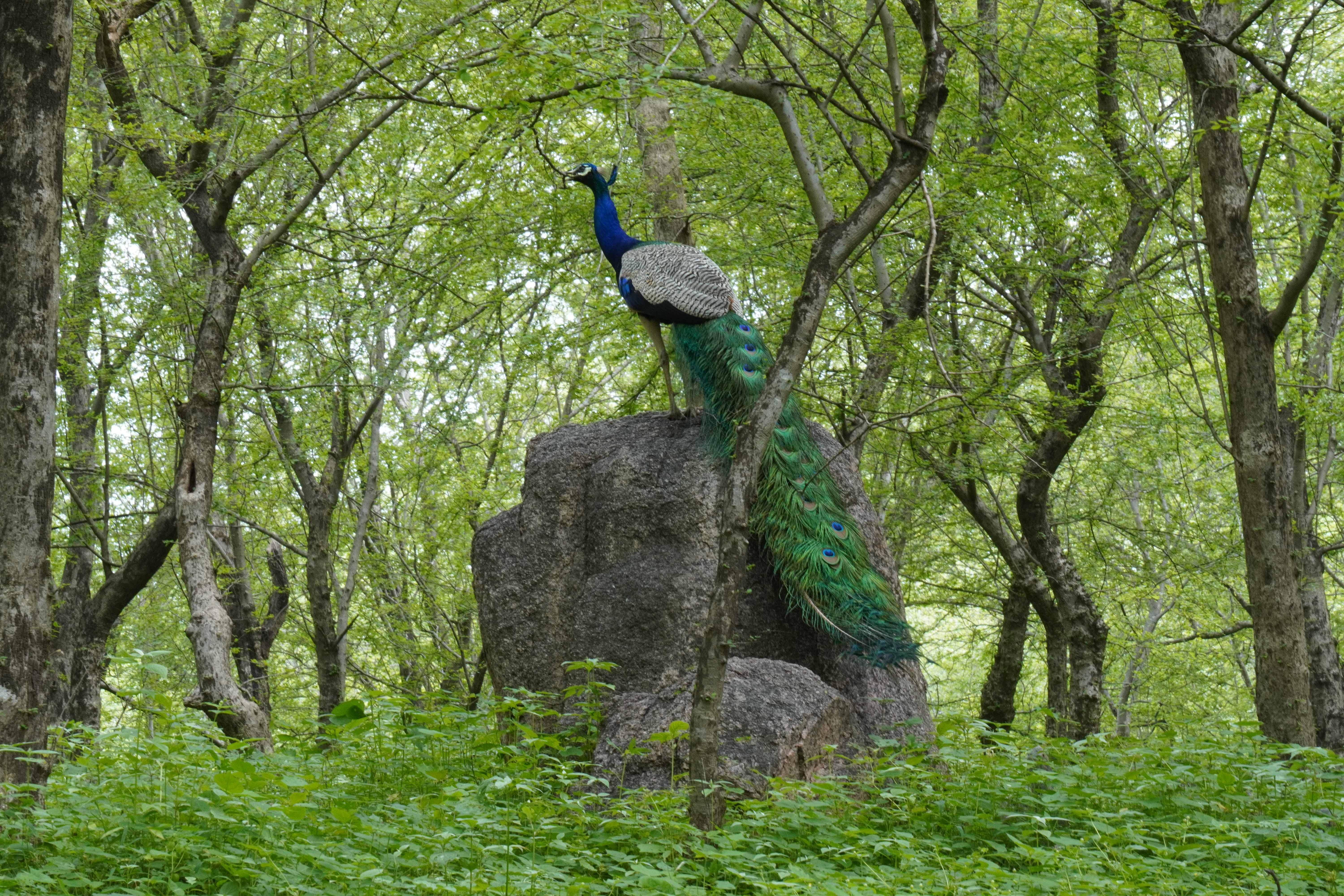
    • Birds: The sanctuary is a haven for birdwatchers, with over 200 species of birds recorded here. Notable species include the Indian roller, peafowl, black swan, kingfisher, herons, and several migratory birds during the winter season.
    A peacock in Orchha Wildlife Sanctuary

    2. Betwa River

    • The Betwa River, which flows through the sanctuary, adds to the natural beauty of the area. The river is not only a source of water for the wildlife but also offers picturesque views and opportunities for activities like boating and picnicking. The riverbanks are excellent spots for birdwatching, especially during sunrise and sunset. The confluence of Yamuna and Betwa river inside the sanctuary is a sight to watch.

    3. Nature Trails and Trekking

    • The sanctuary offers several nature trails that allow visitors to explore its diverse landscapes on foot. These trails wind through forests, along the river, and over gentle hills, providing an immersive experience in the natural environment. Trekking in the sanctuary is relatively easy, making it accessible for visitors of all ages.

    4. Wildlife Safari

    • Though Orchha Wildlife Sanctuary is not as large as some other sanctuaries in India, it still offers wildlife safaris, typically in the form of jeep safaris or guided tours. These safaris provide an opportunity to see the sanctuary’s wildlife up close and learn about the region’s ecology from experienced guides.

    5. Cultural and Historical Proximity

    • The sanctuary’s proximity to the historic town of Orchha adds a cultural dimension to the visit. After exploring the sanctuary, visitors can easily visit the nearby Orchha Fort, temples, and cenotaphs (Chhatris) that reflect the rich heritage of the Bundela dynasty.
    View of Orchha Town from the Betwa river Bridge

    Visiting Orchha Wildlife Sanctuary

    1. Timings

    • The sanctuary is generally open to visitors from early morning until sunset. It’s best to visit during the early morning or late afternoon when wildlife is most active.

    2. Entry Fee

    • There is a nominal entry fee for visiting the sanctuary. Additional charges may apply for jeep safaris, guided tours, and photography. If you want to take your own vehicle inside the sanctuary Rs 300 is charged by the forest department for the same.

    3. Guided Tours

    • Hiring a local guide is recommended, especially for birdwatching or learning about the local flora and fauna. Guides can enhance the experience by pointing out species that might otherwise go unnoticed.

    How to Reach Orchha Wildlife Sanctuary

    1. By Air

    • The nearest airport is Gwalior Airport, about 120 kilometers from Orchha. From the airport, you can hire a taxi or take a bus to Orchha.

    2. By Train

    • The closest railway station is Jhansi Junction, which is about 16 kilometers from Orchha. From Jhansi, you can take a taxi or auto-rickshaw to reach the sanctuary.

    3. By Road

    • Orchha is well-connected by road to major cities like Jhansi, Gwalior, and Khajuraho. You can reach the sanctuary by car, taxi, or bus from these locations.

    Accommodation

    • In Orchha Town: There are several hotels, guesthouses, and heritage stays in Orchha town, catering to different budgets. Staying in Orchha allows easy access to both the sanctuary and the town’s historical sites.
    • Sheesh Mahal: For a unique experience, consider staying at the Sheesh Mahal, a former palace now converted into a heritage hotel, located within the Orchha Fort complex.

    Conclusion

    Orchha Wildlife Sanctuary offers a tranquil escape into nature, with its rich biodiversity and scenic landscapes. Whether you’re a wildlife enthusiast, a birdwatcher, or someone looking to explore the natural beauty of Madhya Pradesh, this sanctuary provides a peaceful retreat with the added benefit of being close to the cultural treasures of Orchha.