Tag: india

  • A Quiet Stay at Kathi(Satara)

    A Quiet Stay at Kathi(Satara)

    There are places that don’t ask anything from you.
    They don’t demand productivity, urgency, or performance.
    Kathi is one such village.

    Tucked quietly in the folds of the Sahyadris in Satara district, Kathi does not announce itself. There are no landmarks shouting for attention, no itineraries to tick off. What it offers instead is far rarer — a life that unfolds without hurry.

    Indian Cities are increasingly becoming congested and overcrowded. Finding a peaceful moment in the cities is becoming a luxury now. Pune City has been particularly heavily polluted this year with AQI reaching to 400. It was in this frame of mind that I decided to take some time out and stay at a quiet place outside the city. My search ended at a Quiet Villa named as Red Stone Villa by Koyna stays located in a small village named Kathi in Satara district of Maharashtra. Most of the population in this village is involved in agriculture. However with the coming up of tourism a small population is now being involved in hospitality and the land use and occupation change is now visible here.

    When I reached this Kathi village I was amazed with the rustic beauty and old world charm of this village. The village lies at a hill plateau overlooking the Shivsagar Dam built on Koyna River. The natural setting of the place is amazing.

    The Village is still far away from what we call ‘Development’ in modern terms. There are no modern cafes and restaurants. People are simple and welcoming. This makes this place perfect for Eco-tourism and many eco tourism resorts are now opening in this village. This village is perfect place for spending quiet days. During my stay at this place I was reminded of the the Dak-Bunglows of British times. Britishers used to built Dak-Bunglow at places which were far from modern world and having plenty of nature around. This gave them the time to think and innovate.

    Relaxing Activities In Kathi

    The village of Kathi is located at a place which is called Oxygen valley. This is because of strong winds that blow here throughout the day. The wind is so strong here that the largest Windmill farm in Asia is located near this village. You can just sit and feel the air in your lungs.

    Wind Mill farm

    Visit to the nearest Windmill farm is a great experience here. The road from Kathi to Satara passes through this wind mill farm and there is one spot where the road is straight over the plateau. This is a perfect place to take an evening walk. I took a walk on this road one evening and it felt magical.

    K-2 Point

    When it comes to viewing sunset in the Western Ghats I found that K-2 point offers one of the most mesmerising view. The place is located at the highest point in the region overlooking the Koyna Backwaters. The view of the sunset from here is just amazing. The only catch is that due to excessive fog at times it becomes difficult to view the sunset. What I found most beautiful is that this place has no crowd at all and hence you can enjoy the beautiful sunset in peace. However despite its natural beauty what disturbed me here was that people have thrown beer bottles and water bottles which was acting as a thorn in the beauty of this place. Seeing this one can sense how much civic sense Indians lack.

    Dhareshwar Shiv Mandir

    Perhaps one of the most unique temples in India that I have visited this Shiva temple is nestled into deep forest and on the edge of a mountain overlooking a huge valley. The main shrine is in a rock-cut cave traditionally associated with Shri Ram’s era, housing a temple to Shri Ram along with a sacred Shiva shrine (Shivshambu Mahadev) regarded as a teerthakshetra. This place is a great nature spot and there is an all weather active waterfall here. When I visited this temple I found that to be crowd free and full of peace and tranquility. This place is great for meditation and Dhyan and one can sit for some time here to connect with spirituality. The active waterfall of this place is considered sacred and the locals use the water for different religious purposes.

    This place is a heaven for star gazers as this place still has not been heavily polluted by light pollution. During the night time star gazing is a great activity here. During our visit we sat in the night sky and all the night stars were visible to us. Using the apps like night sky enhances the experience of Star Gazing by displaying the positions of the stars in the sky.

    Kathi Village has everything that a slow life asks for. A lakeside location, spiritual places nearby and a great sunset view point to go and sit during the evening. Places like these are a modern day luxury for us when the “modernisation and cafe culture” is reaching in every nooks and corners of the country. The very nature of the modern lifestyle is stress-full and few days spent at places like these adds much needed value to our quality of life.

  • History and Development of Dhond-Manmad State Railway

    History and Development of Dhond-Manmad State Railway

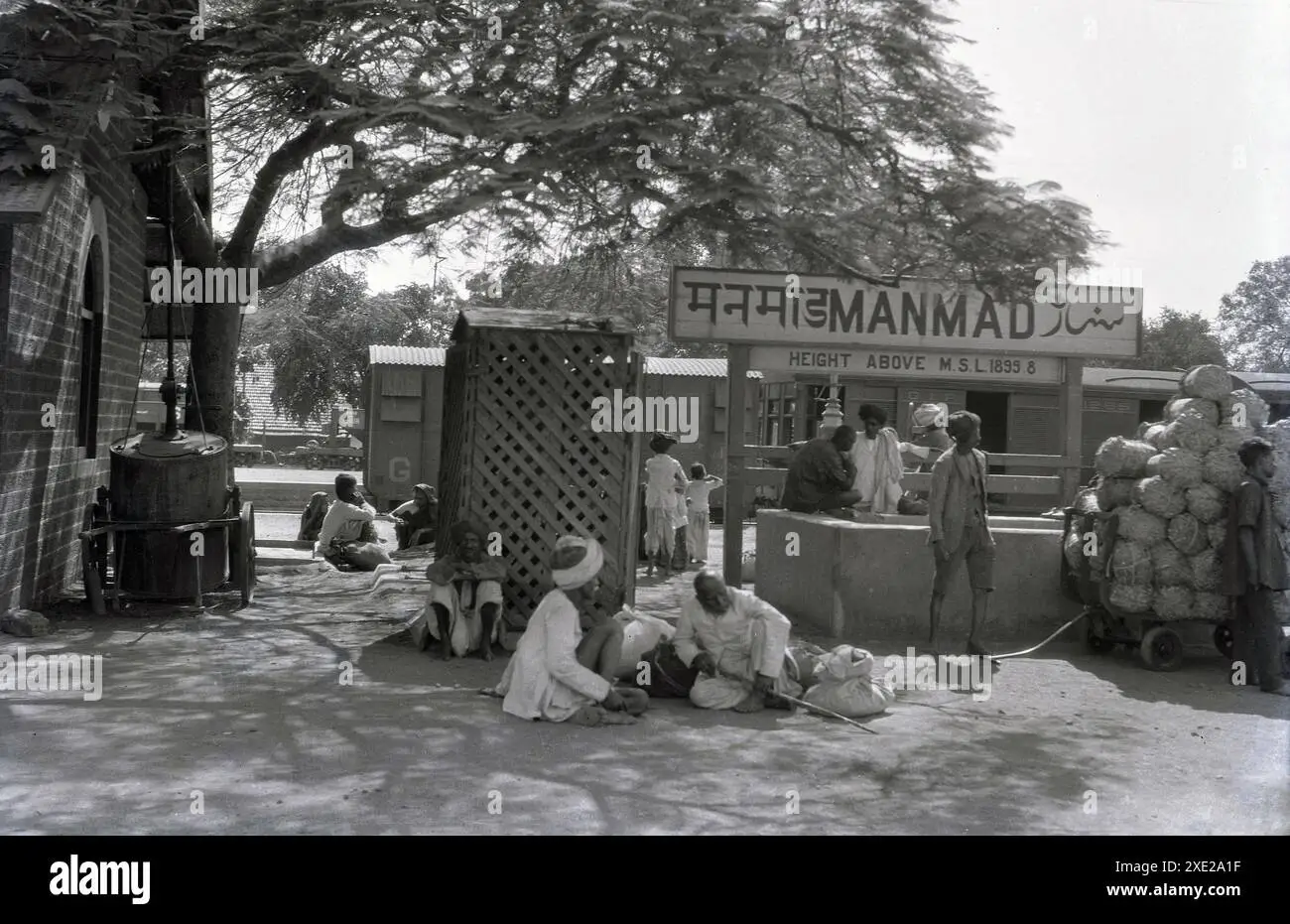
    The development of Railway system in India followed a very haphazard and complex pattern. Some of the Railways were owned by the companies others were owned by stated railways. There were a few others which were owned by the state itself due to their strategic importance. The Dhond-Manmad Railway was one such strategically important chord line railway whose construction was done under the direct government supervision.

    The Daund-Manmad Railway (originally known as the Dhond-Manmad State Railway) represents one of the most strategically important “chord lines” constructed during the British colonial period in India. This railway line served as a crucial connecting link between two major divisions of the Great Indian Peninsula Railway (GIPR) and played a vital role in facilitating efficient transportation across the Indian subcontinent.

    Background and Strategic Importance

    The Dhond-Manmad State Railway was conceived as a strategic “chord line” designed to connect the Great Indian Peninsula Railway’s (GIPR) south-eastern main line to Madras with the GIPR north-eastern main line to Allahabad. This connection eliminated the need for trains traveling between these two major routes to make lengthy detours through Bombay (Mumbai), significantly reducing travel time and operational costs.

    The railway was a broad gauge (BG) line measuring 145 miles (197 kilometers) in total length, connecting Manmad Junction, located 162 miles (260 kilometers) from Bombay on the north-east section, with Dhond (present-day Daund) in Poona (Pune), situated 167 miles (267 kilometers) from Bombay on the south-east section.

    Construction and Opening

    Timeline and Development

    The construction of the Dhond-Manmad State Railway began in the mid-1870s under direct government supervision. The line was officially opened for traffic on April 17, 1878. However, the construction faced significant engineering challenges, particularly in the construction of major bridges and infrastructure across the challenging terrain of Maharashtra.

    Some of the large bridges which were begun in 1879 were not completed until after the rains of 1880. This indicates that the initial opening of the line was for basic operations, while major infrastructure projects continued for several years after the official inauguration.

    Administrative Management

    Up to the end of 1880, the line was managed directly by the Government of India. This direct government control during the initial operational period was typical for strategically important railway lines that required careful oversight and standardization. In 1881, management was transferred to the Great Indian Peninsula Railway (GIPR), and the line became an integral part of the GIPR South East Division.

    Engineering Personnel and Administration

    Key Personnel During Construction

    The construction and early operation of the Dhond-Manmad State Railway involved several distinguished British engineers and administrators from the Public Works Department and Railway Branch:

    Chief Engineers and Senior Officials:

    • Alexander Izat served as Chief Engineer, on loan from the Public Works Department (PWD) circa 1878wiki.fibis
    • James Rhind worked as Assistant to Alexander Izat during 1878-1880wiki.fibis
    • Thomas Freeman Dowden, Colonel R.E. was appointed as the first Manager of the Dhond-Manmad State Railway during 1878-1879wiki.fibis
    • Captain W.J. Engledue served as Acting Manager of the Dhond and Manmad State Railway in 1880 and represented the railway as a delegate at the Railway Conferencewiki.fibis

    Assistant Engineers:

    • Ernest Ifill Shadbolt from the Public Works Department was posted as Assistant Engineer to the Dhond-Manmad State Railway during the period 1874-1883wiki.fibis
    • Trevredyn Rashleigh Wynne was deployed from the Railway Branch of the Public Works Department as Assistant Engineer from 1877-1879wiki.fibis
    • John Edwin Dallas, also from the Railway Branch, was posted between 1876 and 1881 to the Dhond-Manmad State Railway specifically for “setting out and construction” activitieswiki.fibis

    These appointments demonstrate the high priority given to this project by the colonial administration, with experienced engineers from various departments being seconded to ensure successful completion of this strategically important line.

    Operational Significance During British Era

    Strategic Military and Administrative Role

    The Daund-Manmad Railway served crucial military and administrative functions for the British colonial government. The line provided a direct connection between the northern and southern railway networks, facilitating rapid troop movements and efficient transportation of military supplies and equipment across the Deccan plateau.pib+1

    The strategic importance of this route became particularly evident during World War I and World War II, when the railway served as a vital logistics corridor for British military operations. The connection to Ahmednagar, which housed a major tank base of the Southern Command, Indian Army, made this railway line essential for defense communications.pib+1

    Commercial and Economic Impact

    During the British period, Daund emerged as a significant railway town and junction. The establishment of the railway brought substantial infrastructure development to the region:bharatpedia+1

    Locomotive and Engineering Facilities:

    • Daund became an important center for coal engines during the British period, with more than 125 coal engines stationed at the locomotive shedbharatpedia
    • The abundance of coal ash from these engines led to the development of a thriving brick-making industry, with bricks being transported to various major cities across Indiabharatpedia
    • A receiver station of the Imperial Wireless Chain was installed three kilometers outside Daund, demonstrating the town’s growing importance in British communication networks.

    Infrastructure Development:

    • Staff quarters were constructed at Dhond, Lonavala, Manmad, and Igatpuri between 1885-1890 to house the growing railway workforceindianrailways
    • The railway facilitated the construction of the bridge over the Bhima River in 1928, connecting Daund to Srigonda and expanding regional connectivitywikipedia+1
    • Military camps were established in Daund from 1942 to 1945, highlighting the strategic importance of the railway junction during World War IIwikipedia+1

    Integration with GIPR Network

    As part of the GIPR South East Division, the Dhond-Manmad State Railway became integral to the broader railway network connecting Bombay with Calcutta and Madras. The line served as a crucial chord that allowed trains to bypass the congested Bombay terminal, providing alternative routes for both passenger and freight traffic.wiki.fibis+1

    The railway facilitated connections with several other important lines:

    • Connection to the GIPR north-eastern main line toward Jubbulpore and eventually Calcuttawiki.fibis
    • Link to the GIPR south-eastern main line toward Raichur and Madraswiki.fibis
    • Integration with the Nizam’s Guaranteed State Railway at Manmad, providing connections to Hyderabad and the Deccan regionwikipedia+2

    Technical and Engineering Achievements

    Bridge Construction and Engineering Challenges

    The construction of the Dhond-Manmad State Railway required significant engineering expertise, particularly for the major bridges constructed between 1879-1880. These bridges were essential for crossing the numerous rivers and challenging terrain between Daund and Manmad, including crossings over tributaries of the Godavari and Bhima river systems.wiki.fibis

    The completion of these bridges after the 1880 monsoon rains indicates the challenges faced in construction during the monsoon season, when river levels would have been at their highest and construction work most difficult.wiki.fibis

    Gauge Standardization

    The adoption of broad gauge (5 feet 6 inches) for the Dhond-Manmad State Railway was consistent with the GIPR’s commitment to creating a unified, high-capacity railway network. This gauge choice facilitated seamless integration with both the north-eastern and south-eastern divisions of the GIPR, allowing for through running of trains without gauge changes.

    Legacy and Historical Impact

    Foundation for Modern Connectivity

    The Dhond-Manmad State Railway laid the foundation for what remains today one of India’s most important railway corridors. The current Daund-Manmad line continues to serve as a crucial link between northern and southern India, carrying substantial passenger and freight traffic.

    Recent developments demonstrate the enduring importance of this British-era railway:

    • A doubling project worth Rs. 2,081.27 crores was approved in 2017 to enhance capacity on this historic route.
    • By 2023, over 120 kilometers (50.83%) of the doubling work had been completed, with 65% overall physical progress achieved.
    • The route now handles approximately 98 trains daily, serving over 70,000 passengers and substantial freight traffic.
    • The line which was operated by the Solapur Division of Central Railways has been transferred to Pune Division with effect from 1/04/24.

    Integration with Princely States

    The strategic location of Manmad as the terminus of the Dhond-Manmad State Railway made it a crucial junction for connections with the Nizam’s Guaranteed State Railway (metre-gauge) until 1948. This interconnection facilitated trade and passenger movement between British India and the princely state of Hyderabad, demonstrating the railway’s role in integrating the diverse political entities of colonial India.wikipedia+1

    Conclusion

    The Daund-Manmad Railway during the British era represents a remarkable achievement in colonial railway engineering and strategic planning. Conceived as a chord line to enhance connectivity between major GIPR divisions, it evolved into a vital transportation artery that served military, commercial, and administrative needs of the British Empire in India.

    The railway’s construction involved some of the most experienced British engineers of the period, and its completion in 1878 marked a significant milestone in India’s railway development. The line’s integration into the GIPR South East Division ensured its role in the broader network connecting Bombay with Calcutta and Madras, while its connection with the Nizam’s railway at Manmad facilitated integration with princely state territories.

    The infrastructure development that accompanied the railway’s establishment—including locomotive sheds, staff quarters, communication facilities, and industrial development—transformed Daund from a small town into an important railway junction that continues to play a crucial role in India’s transportation network today. The ongoing doubling project and continued heavy usage of this route underscore the prescient strategic planning of the British railway engineers who conceived and constructed this vital link over 145 years ago.

  • Discovering the Enchanting Araku Valley: A Hidden Gem in Andhra Pradesh

    Discovering the Enchanting Araku Valley: A Hidden Gem in Andhra Pradesh

    Araku Valley is a picturesque hill station located in the Eastern Ghats of Andhra Pradesh, India. Known for its breathtaking landscapes, coffee plantations, and rich cultural heritage, Araku Valley is a popular destination for tourists seeking natural beauty and tranquility. Located in Alluri Sitarama Raju District of Andhra Pradesh, Araku Valley is a beautiful but lesser known hill station in India. The place is located around 110 km from the city of Visakhapatnam and and is well connected from the city of Visakhapatnam via road and Rail transport.

    Araku Valley is home to many of the indigenous tribes and is mainly inhabited by the tribal population. The maximum population in Araku Valley is of Araku Tribes and that is the reason it is known as Araku Valley. The place is frequently visited by many tourists mainly from the Visakhapatnam city to get a respite from the scorching heat of the area as well as hustle and bustle of the city life.

    Geography and Climate

    • Location: Araku Valley is situated in the Visakhapatnam district of Andhra Pradesh, approximately 110 kilometers (about 75 miles) from the city of Visakhapatnam.
    • Altitude: The valley is located at an altitude of about 900 to 1,400 meters (2,953 to 4,593 feet) above sea level, providing a cool and pleasant climate throughout the year.
    • Climate: The region experiences a moderate climate, with temperatures ranging from 15°C to 25°C (59°F to 77°F) in summer and dropping to around 5°C to 18°C (41°F to 64°F) in winter. The monsoon season brings moderate to heavy rainfall, enhancing the valley’s lush greenery.

    Attractions and Activities

    • Coffee Plantations: Araku Valley is renowned for its coffee plantations. The coffee grown here, particularly the organic Araku Coffee, is famous for its unique flavor and aroma. Visitors can tour the plantations and learn about the coffee production process.
    • Borra Caves: Located about 35 kilometers from Araku, these limestone caves are one of the deepest caves in India. They feature impressive stalactites and stalagmites and are a major tourist attraction.
    • Tribal Museum: This museum showcases the culture, artifacts, and lifestyle of the indigenous tribes of the region, offering a glimpse into the rich tribal heritage of the Eastern Ghats.
    • Padmapuram Gardens: A beautiful botanical garden featuring exotic plants, tree-top huts, and a toy train. It’s a perfect spot for nature lovers and families.
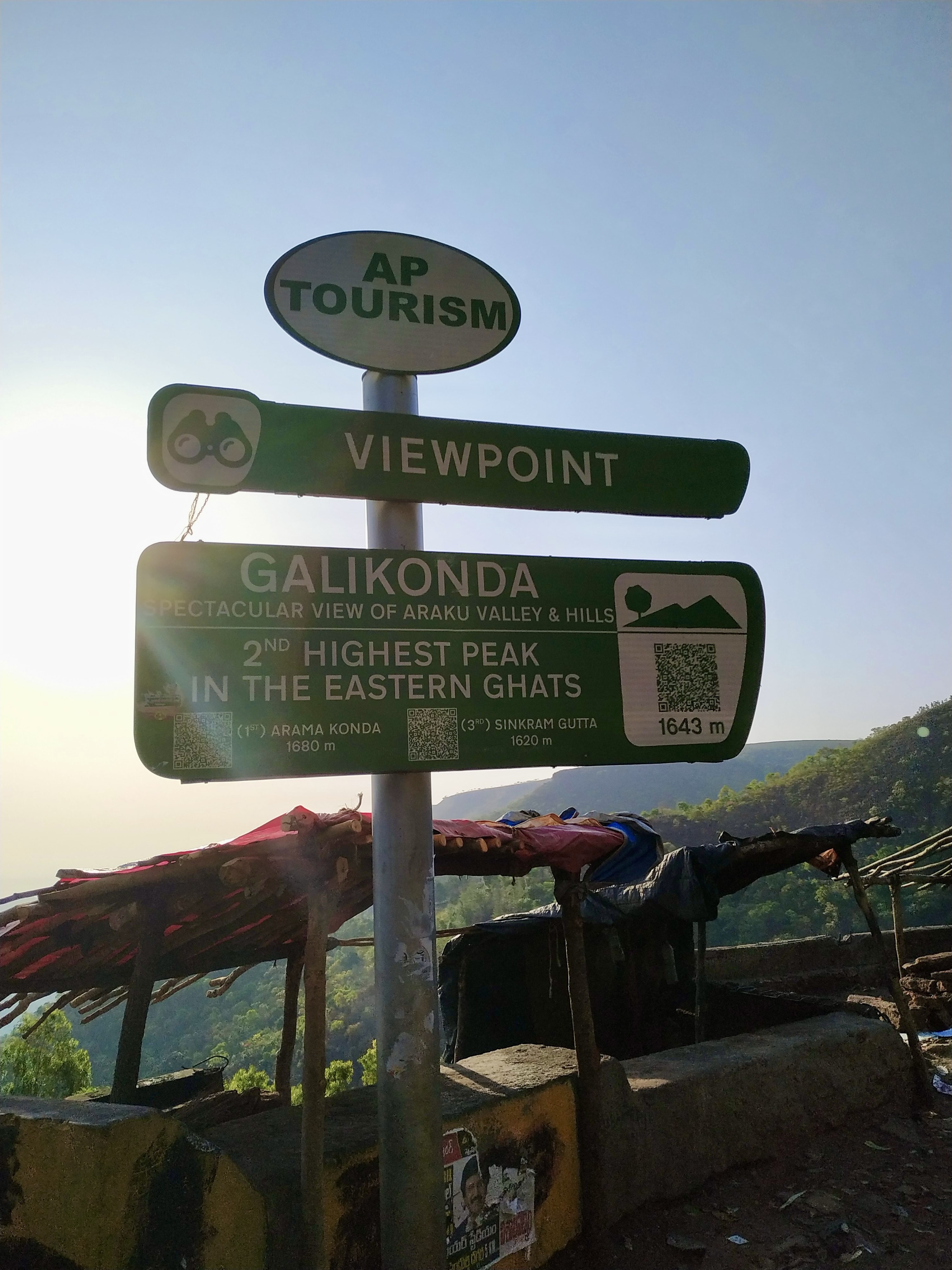
    • Galikonda Viewpoint: Offering panoramic views of the valley, this viewpoint is one of the highest points in the Eastern Ghats. It provides stunning vistas of the surrounding hills and forests.
    • Dumbriguda Waterfalls (Chaaparai): A scenic spot with cascading waterfalls, surrounded by lush greenery, ideal for picnics and nature walks.
    • Katiki Waterfalls: Located near Borra Caves, this waterfall is accessible via a short trek, offering a refreshing experience amidst nature.
    • Coffee Museum: A place dedicated to exploring the history of coffee and its various varieties. This was the best place that I visited in Araku Valley. The history and significance of various types of coffee is displayed on the walls beautifully.

    Cultural Heritage

    1. Tribal Culture: Araku Valley is home to several tribal communities, including the Araku, Gadaba, and Jatapu tribes. The region’s cultural heritage is rich with traditional dances, music, and crafts.
    2. Dhimal Dance: This traditional dance form is performed by the tribal women during festivals and special occasions, showcasing their vibrant culture.
    3. Local Markets: The weekly shandies (markets) are a great place to experience the local culture, where tribal people sell their handmade crafts, fresh produce, and traditional items.

    Accessibility

    • By Road: Araku Valley is well-connected by road. Regular buses and taxis are available from Visakhapatnam and other nearby towns.
    • By Rail: The Araku Valley Railway Station is part of the Visakhapatnam-Kirandul passenger line. The train journey from Visakhapatnam to Araku is particularly scenic, passing through tunnels, bridges, and lush landscapes. I would personally suggest to take the train journey via Vistadom coach to enjoy the lush green hills on the way.
    • By Air: The nearest airport is Visakhapatnam International Airport, about 115 kilometers away. From there, travelers can take a taxi or bus to reach Araku Valley.

    Conclusion

    Araku Valley is a hidden gem in Andhra Pradesh, offering a perfect blend of natural beauty, cultural richness, and serene ambiance. Whether you are a nature enthusiast, a coffee lover, or someone looking to experience tribal culture, Araku Valley has something for everyone.

  • Unveiling Puducherry: French Colonial Heritage and Coastal Tranquility

    Unveiling Puducherry: French Colonial Heritage and Coastal Tranquility

    Puducherry, commonly known as Pondicherry, is a charming coastal town in southern India, renowned for its French colonial architecture, serene beaches, and spiritual retreats. The town as seen today was primarily developed during the French Rule and due to the predominant French influence the town is also called as “India’s Little France”. Puducherry has a rich and varied history shaped by its colonial past, cultural amalgamation, and strategic coastal location.

    Early History

    1. Ancient Period: The region of Puducherry was part of the Pallava Kingdom in the 4th century AD. Archaeological findings suggest that it was a hub for Roman trade during ancient times.
    2. Chola and Pandya Dynasties: From the 10th to the 13th centuries, Puducherry was under the control of the Chola dynasty, followed by the Pandyas. It was an important port for maritime trade during these periods.

    European Colonization

    1. Portuguese and Dutch Influence: Before the French established their presence, the Portuguese and Dutch had control over the area briefly in the 16th and 17th centuries, respectively.
    2. French Establishment: In 1674, the French East India Company set up a trading center in Puducherry under François Martin, the first Governor of French India. This marked the beginning of French colonial rule, which lasted for nearly 280 years.
    3. Development under French Rule:
      • Urban Planning: The French meticulously planned the city, dividing it into the French Quarter (White Town) and the Indian Quarter (Black Town). They introduced French architectural styles, wide boulevards, and grid-patterned streets.
      • Cultural Exchange: Puducherry became a center for cultural exchange, blending French and Indian traditions in language, cuisine, and lifestyle.

    Key Attractions in Puducherry

    French Quarter (White Town)

      • Architecture: Stroll through streets like Rue Dumas and Rue de la Marine, lined with colonial buildings painted in pastel shades, featuring bougainvillea-laden balconies.
      • CafĂ©s and Restaurants: Enjoy French cuisine and coffee at charming cafes like CafĂ© des Arts and Le CafĂ©.

      Promenade Beach

        • A long stretch along the Bay of Bengal, ideal for a leisurely walk. Key landmarks include the War Memorial, the statue of Mahatma Gandhi, and the old lighthouse.

        Auroville

          • An international township founded in 1968, dedicated to the ideals of human unity. The Matrimandir, a golden dome, is a meditation center and architectural marvel.

          Churches

            • Immaculate Conception Cathedral: Known locally as Samba Kovil, it dates back to 1791.
            • Basilica of the Sacred Heart of Jesus: A Gothic-style church with stunning stained glass panels.

            Beaches

              • Paradise Beach: Accessible by boat from Chunnambar Boat House, it’s known for its pristine sands and clear waters.
              • Serenity Beach: A quieter spot, ideal for surfing and relaxing. However during my visit to Puducherry I could not visit this beach.

              Museums and Galleries

                • Puducherry Museum: Houses artifacts from the colonial period and ancient times.
                • Bharati Government Park: A green oasis with sculptures and a charming gazebo.

                Activities and Experiences

                1. Cycling Tours: Explore the town on a bicycle, a popular way to navigate the narrow lanes and discover hidden gems.
                2. Yoga and Wellness: Many centers offer yoga classes and wellness retreats, taking advantage of the peaceful surroundings.
                3. Shopping:
                • Local Markets: Visit Goubert Market for fresh produce, spices, and local goods.
                • Boutiques and Handicrafts: Explore shops selling handmade candles, pottery, and textiles.

                Cuisine

                  • Enjoy a mix of Tamil and French cuisines. Must-try dishes include French pastries, Creole cuisine, and South Indian delicacies. There are few famous Pizza shops where you can enjoy a delicious slice of Pizza.

                  Practical Information

                  1. Best Time to Visit: The ideal time to visit is from October to March when the weather is pleasant.
                  2. How to Reach:
                  • By Air: The nearest airport is in Chennai, about 135 kilometers away. From there, you can hire a taxi or take a bus.
                  • By Train: Puducherry has its own railway station with connections to major cities.
                  • By Road: Well-connected by road, with regular bus services from Chennai, Bangalore, and other cities. If you are travelling via road from Chennai then take the Highway which runs along the coast and stop by the famous World Heritage Town of Mahabalipuram.

                  Accommodation

                    • Options range from heritage hotels in the French Quarter to budget guesthouses and beach resorts. The ideal duration to visit all the good places is 2 to 3 days.

                    Conclusion

                    Puducherry offers a unique blend of French elegance and Indian vibrancy, making it a fascinating destination. Whether you are exploring its colonial architecture, relaxing on its beautiful beaches, or immersing yourself in spiritual practices, Puducherry promises a memorable experience. If you are around chennai then the place is a must visit.

                  1. Iconic South Mumbai Buildings: Experiencing Heritage Amid COVID Lockdown

                    Iconic South Mumbai Buildings: Experiencing Heritage Amid COVID Lockdown

                    The South Mumbai area of Mumbai is particularly famous for British Era buildings which have come to define the Mumbai Skyline for past more than 100 years. Some of the iconic buildings of this area include Chhatrapati Shivaji Maharaj Terminus (Victoria Terminus) Building, Bombay Municipal Corporation Building, The Taj Hotel building among many others. Most of these buildings are designed in Victorian and Art Deco design and South Mumbai boasts second largest number of art deco buildings in the world after Miami City. The famous Chhatrapati Shivaji Maharaj Terminus Building has been declared as the World Heritage Building in 2004. This is an article about a walkthrough the South Mumbai during the COVID Lockdown period.

                    The COVID lockdown period was a period of grief and suffering to many people and families due to the economic hardships and the unfortunate deaths and sufferings. However due to countrywide locks lock down the traffic on the roads was minimal and cities had become pedestrian friendly. This helped us to see the cities in the original form in the sense that the streets were not claimed by the car traffic.

                    During the COVID Lock down period I was posted in Mumbai and my office was located in one of the heritage building known as Chhatrapati Shivaji Maharaj Terminus. During my free time I used to walk in the streets of South Mumbai city and was able to click some beautiful pictures of the most iconic buildings of the South Mumbai. This post is about some of those photographs.

                    1. Chhatrapati Shivaji Maharaj Terminus Building

                    This iconic building was designed by British architectural engineer Frederick Williams Stevens. The building is designed in Gothic style and was completed in 1887 marking 50 years of Queen Victoria’s rule. The building was declared as World heritage Building in April 2004. The building is currently the headquarter of Central Railway.

                    Front View of Building
                    Side view of CSMT building
                    Sunset view of Sky over CSMT building

                    2. Churchgate Terminus( Western Railway Headquarters Building)

                    This beautiful building was designed by Frederick Williams Stevens. The construction began in 1889 and completed in 1899. The building presently houses the Western Railway Headquarter.

                    3. Municipal Corporation Building(BMC Building)

                    The Brihanmumbai Municipal Corporation (BMC), or Municipal Corporation of Greater Mumbai (MCGM) is the governing civic body of Mumbai. The building was designed by Robert Fellowes Chisholm who is credited with the revival of Indo Saracenic style of architecture in India. The foundation stone was laid in December 1884 and the building was completed in 1893.

                    BMC Building (Evening View)
                    BMC Building (Night View)

                    4. Flora Fountain

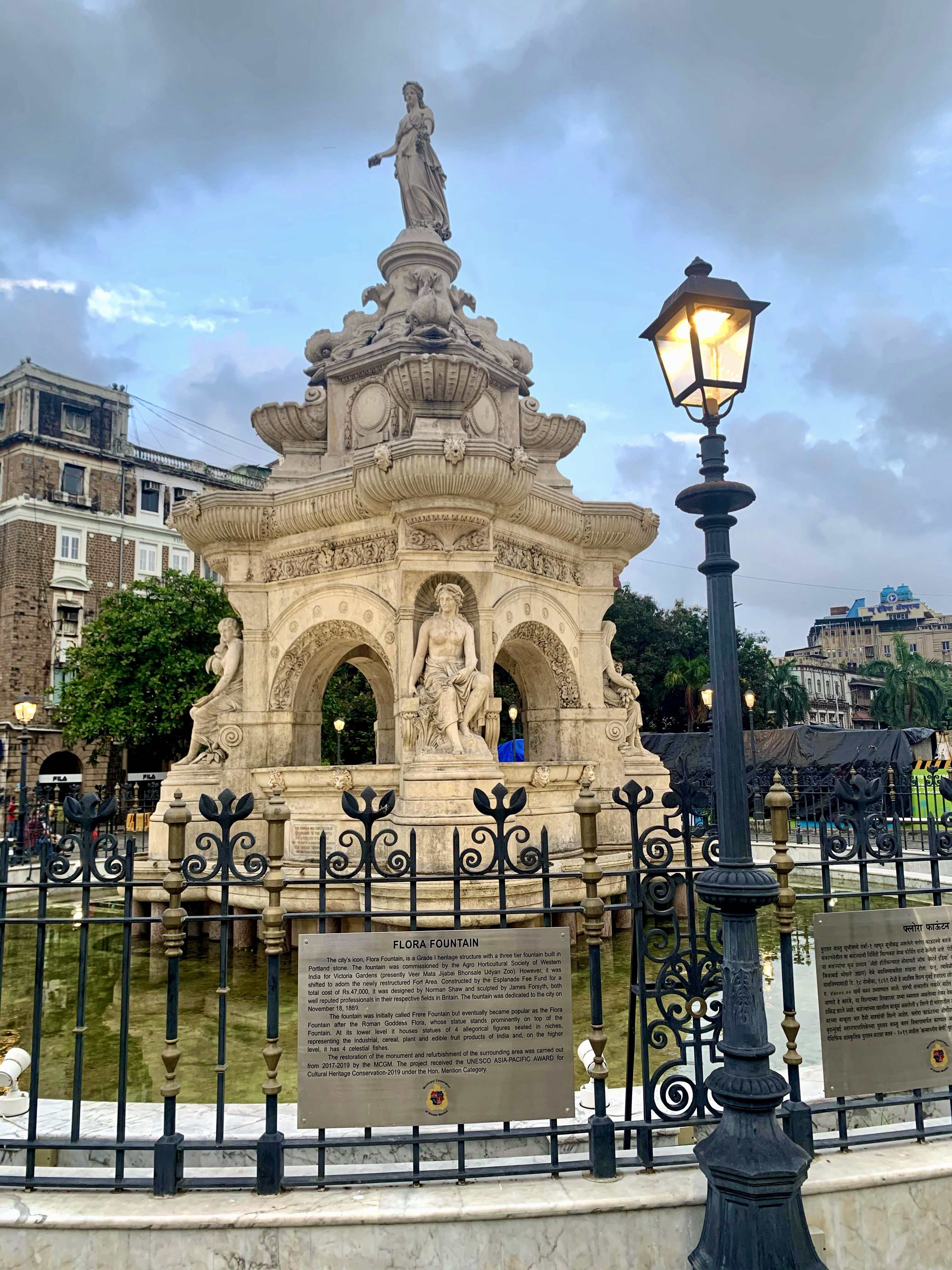
                    Built at a total cost of Rs. 47,000, or 9,000 pounds sterling Flora Fountain is located on historic Dada Bhai Naoroji Road on Hutatma Chowk. The fountain depicts the Roman Goddess Flora and is a famous icon of the fort business district of South Bombay.

                    Flora Fountain
                    Hutatma Chowk

                    5. Asiatic Society Circle/Fort Area(Mumbai)

                    During the COVID period this place was very calm having no people at all. Shooting pictures of this place at that time was once in a lifetime opportunity.

                    6. Kala Ghoda

                    This area is particularly famous for being the art district of Mumbai area. Many of the art festivals including the kala ghoda festival is held in this area.

                    7. Sunset at Marine Drive

                    During the COVID period the environment was clean and hence the Mumbai skyline was very clear from the Marine drive. The view of the sunset from this point was particularly mesmerizing.

                    Mumbai Skyline from Marine Drive

                    8. Other Random Clicks

                    Due to less vehicular movement and the area being free of crowd the entire area was pretty beautiful and all the buildings were giving their most beautiful view.

                    Overall seeing the city of old Mumbai during the COVID times was once in a lifetime experience.

                  2. Kashid Beach: Stunning White Sand Getaway in Alibaug, Maharashtra

                    Kashid Beach: Stunning White Sand Getaway in Alibaug, Maharashtra

                    Kashid Beach is a beautiful white sand beach located in Alibaug Taluka of Maharashtra. The beach is located nearby the Kashid Village in Murud Taluka and is becoming famous among the tourists due to its beautiful beach and less crowd as compared to the other beaches in the region.

                    India has a huge coastline of around 7516 km. This has enabled the country to have beautiful natural beaches and many famous beach cities. We all know about the beaches on Goa, Kerala and Andaman and Nicobar. However there are still many beautiful beaches in India which are relatively lesser known but still very beautiful. The prime among them are the beaches in Alibaug.

                    Famous Beaches of Alibaug

                    Alibaug/Alibag is a coastal city and Municipal Council in Raigad district of Maharashtra. The city boasts of many beautiful natural beaches in its surroundings. The city is becoming famous as weekend getaway among the residents of Pune and Mumbai due to its beautiful beaches and closer proximity to these two cities. Few of the most famous beaches of Alibaug as as follows:

                    • Alibaug Beach: A black-sand beach that offers views of the sunrise, sunset, and Kolaba Fort
                    • Nagaon Beach: A popular beach with beach facing cottages and a view of the sunrise
                    • Kashid Beach: A beach known for its sunsets
                    • Varsoli Beach: A white-sand beach
                    • Mandwa Beach: A serene and scenic beach
                    • Kihim Beach: A picturesque and serene beach

                    The other popular beaches are:

                    1. Akshi Beach
                    2. Kasim Beach
                    3. Rewas Beach
                    4. Korlai Beach
                    5. Saswane Beach
                    6. Revdanda Beach

                    On our Alibaug trip this time we visited the Kashid Beach. The beach is beautiful and has many things to offer to the visitors.

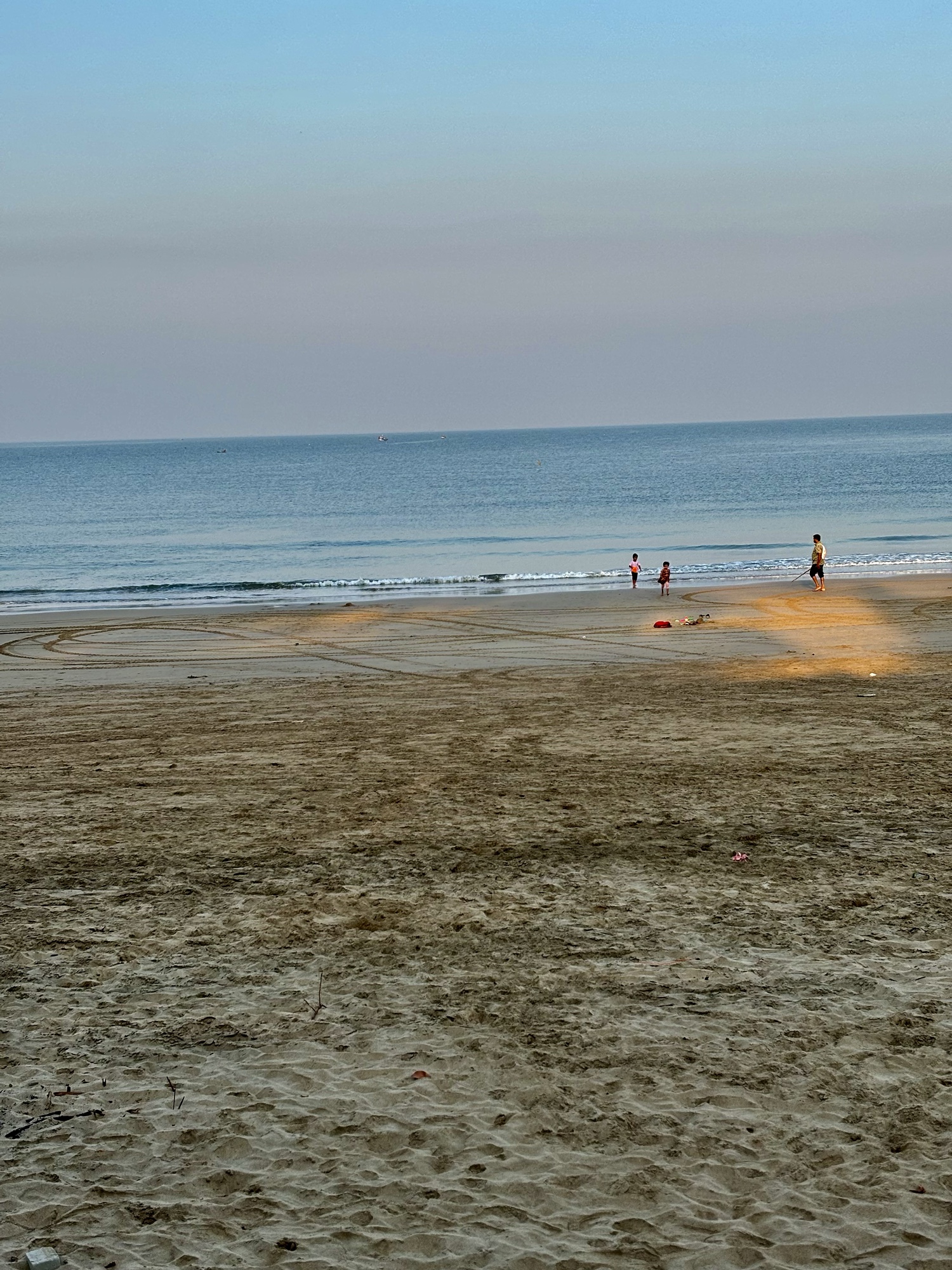
                    Kashid Beach

                    Kashid Beach is known for its white sand, blue water, green mountains, and paddy fields. It’s also considered one of the cleanest beaches in the region. The beach is a popular weekend getaway from Mumbai and Pune. Kashid beach is a newly developed beach and is located at a distance of around 30 km from Alibaug. The beach is located in Kashid village which has traditionally been a fishing village but is fast becoming a tourist village due to Kashid Beach.

                    How to Reach?

                    Due to its difficult topography the place is not accessible via train. However one can reach Pune and Mumbai via train and then take either public transport or drive to Kashid Beach. The distance of Kashid Beach is around 174 Km from Pune and there are two different routes to reach from Pune. The first is vis Pune Mumbai Expressway which takes around 5 hrs to reach. The other route is through Tamhini Ghat. This route is a ghat route and takes around 4 hrs 30 minutes to reach. Although both the routes are good, I would personally recommend to take the Tamhini Ghat route. The traffic is less on this route and the road is scenic.

                    If you are driving from Mumbai you can take the ferry to reach Alibaug and then drive from there(You can take your car inside the derry). This takes around 2 hrs 30 minutes to reach Kashid beach via this route. Alternatively you can drive via Mumbai sea link and reach Kashid beach. Its takes around 4 hours to reach kashid beach via this route. The roads are decent and the drive is scenic.

                    The best part of our drive was crossing the Kundalika River. The view of river meeting the sea was beautiful.

                    Where to Stay?

                    There are many good resorts and homestays available at Kashid Beach. It is always better to stay at a resort which is offering food as well because there are not many eateries available nearby. We stayed at Prakruti Resort which is one the best resorts in the area. However it is on the costlier side so if you want to be on budget then you can take other resorts also which offer you a price range of around Rs 5k to 8k. Few of them are Kashid Beach Heritage Resort, O’Nest Resort etc. The beach is not very much crowded hence there is no particular need for taking a resort offering a private beach.

                    Things to Do at Kashid Beach

                    Although still relatively less developed There are many activities to do at Kashid Beach. The few of them are:

                    1. Banana Ride
                    2. Motor Boating
                    3. Running
                    4. Beach Volleyball
                    5. Swimming
                    6. Photography

                    Other Places to Visit Nearby

                    There are many beautiful beaches in the nearby area which one can visit while being in Kahid. The other place which I would personally recommend is Phansad Wildlife Sanctuary. The road from Kashid to Phansad is very scenic one can see many wild animals in the Sanctuary.

                    Overall the visit to Kashid Beach is quite satisfying and a must recommended for everyone planning to visit a beautiful and peaceful beach.