We all have grown studying about Ajanta and Ellora caves and their beauty. However if someone has prepared for UPSC for sometime it becomes even more a thing of curiosity because these caves are a thing of great cultural importance not only for India but for the entire world. These caves are a living example of what indian culture has been in the past.
My first experience of visiting the Ellora caves was in 2019 when I visited these caves with two of my friends. I visited Ellora Caves again in January 2023 and I must say both the times it was a magical experience. Standing in front of Kailash temple one gets lost in its grandeur and beauty.
History of Ellora Caves
The history of these caves dates back from 600 AD to 1000 AD. There are around 100 caves at the site out of which 34 are open to public. These caves belong to all three religions prevalent in the region at that time viz. Hinduism, Buddhism and Jainism.
Counting wise Cave No 1 to 12 belong to Buddhism. Cave No 13 to 29 belong to Hinduism and Cave No 30 to 34 belong to Jainism. Although the entire complex of Ellora caves is a treasure to behold, the two most significant of them viz Cave no 10 called Vishwakarma cave and cave no 16 known as Kailash temple is discussed below.
Cave No 10 (Vishwakarma Cave)
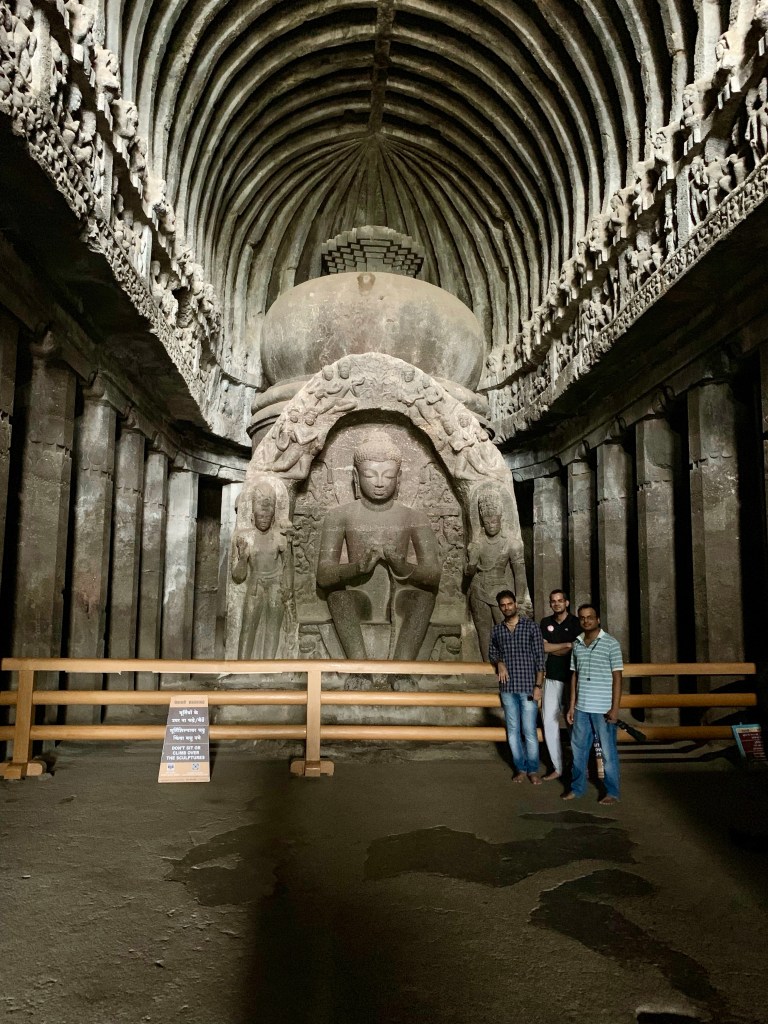
Built in early 7th century this is the only Chaitya(Prayer Hall) in the series of Ellora Caves. Vishwakarma Caves are also known as ‘Sutur Ki Jhopdi’ in the local language. At the apsidal end of the chaitya hall is a stupa on the face of which a colossal high Buddha is seated in ‘Vyakhyana Mudra(teaching posture)’. A large Bodhi tree is carved at his back. Many of the Buddhist devotees come and prey in this caves daily even today. The cave is known as “Carpenter’s Cave”, because the rock has been given a finish that has the appearance of wooden beams.

Cave No 16( Kailashnath Temple)

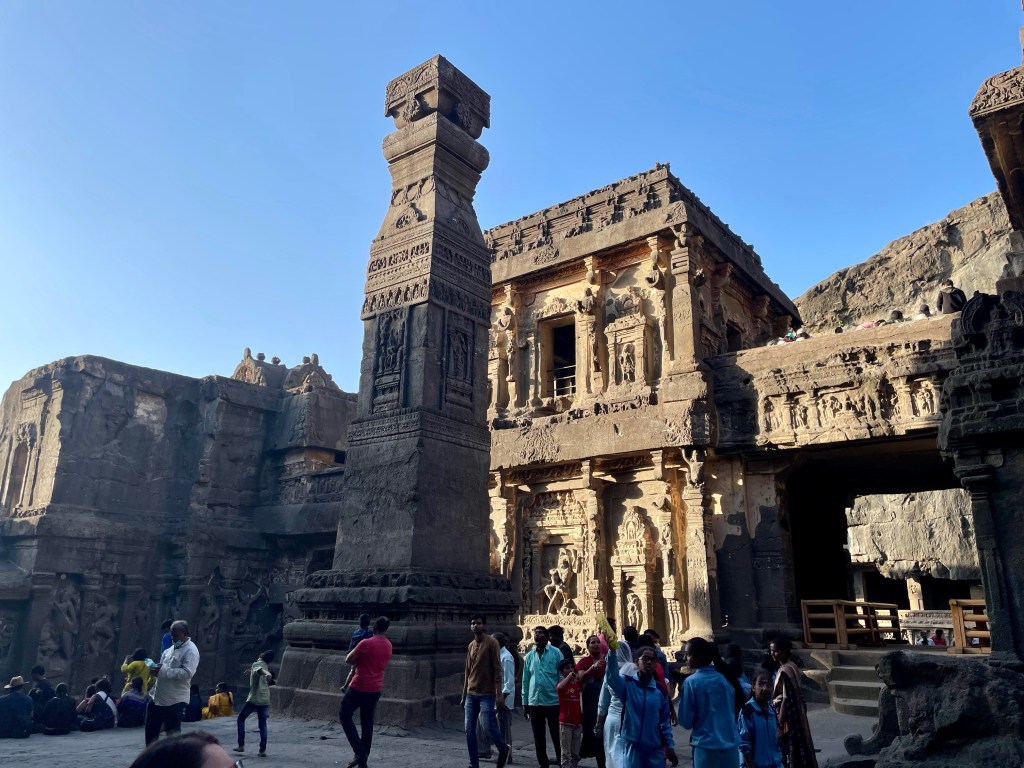
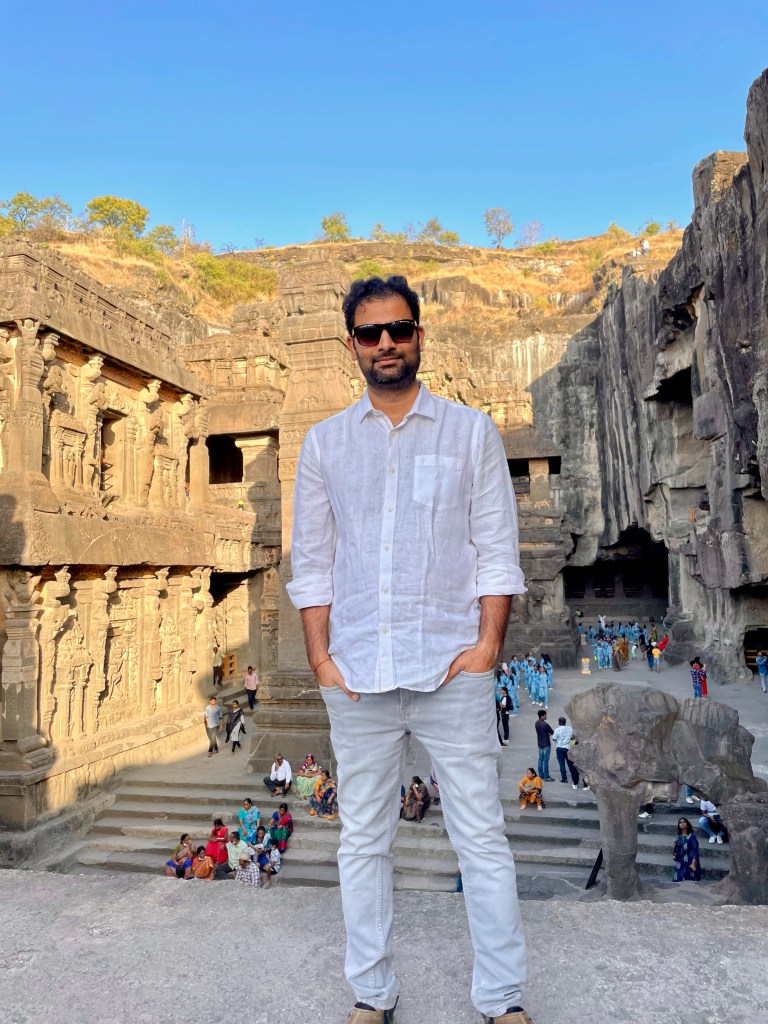
Cave No 16 of Ellora Caves is also known as Kailasa(Kailashnath) Temple. The temple dedicated to Shiva is world famous for being the largest megalithic structure carved from the cliff face of a mountain. it is considered one of the most remarkable cave temples in the world because of its size, architecture, and sculptural treatment. It has been called as “the climax of the rock-cut phase of Indian Architecture”. According to the historical evidences the Kailasa temple was commissioned by Rashtrakuta Rulers during the 7th century AD. The temple looks very grand from the entrance itself and in my opinion it is the most beautiful structures in the entire cave architecture of India.


How to Reach Ellora Caves?
Aurangabad is the nearest city to Ellora Caves. The city is connected by both rail and road transport from all the major cities in India. There are ample of good hotels available in the city to stay. However I will that one should stay in the resorts nearby to the Ellora Caves. During the monsoon the area becomes very beautiful and there are very good views of the ancient city of Daulatabad. The best time to visit the Ellora Caves is during the monsoon or during the winter season. The area becomes quite hot during the summer time hence wondering around all the caves becomes exhausting during the summer time.

Ellora Caves are one of the most astonishing rock cut structures in the world. They are India’s contribution to the entire humanity and they showcase the technological sophistication and the advancement of ancient India. Being the citizen of India it is recommended that everyone must visit them to appreciate the advancement of science, technology and spirituality in ancient India.
 Wizards of Life!