The development of Railway system in India followed a very haphazard and complex pattern. Some of the Railways were owned by the companies others were owned by stated railways. There were a few others which were owned by the state itself due to their strategic importance. The Dhond-Manmad Railway was one such strategically important chord … Continue reading History and Development of Dhond-Manmad State Railway→
World Heritage day also called as the International Day for Monuments and Sites (IDMS) is celebrated on 18th April Every year to honor and protect our cultural legacy. The idea of World Heritage day came into picture in 1960s when the Abu Simbel Temples which were on the verge of drowning due of construction of … Continue reading Indian Railways: India’s Living Heritage!→
On February 16, 2025, Indian Railways celebrated 100 years of electrification, beginning in 1925. With advancements in technology and sustainability, the network is nearing full electrification. The initiative enhances efficiency, reduces emissions, and improves connectivity and economic opportunities, further supported by a government commitment in the 2025-26 budget for complete electrification.
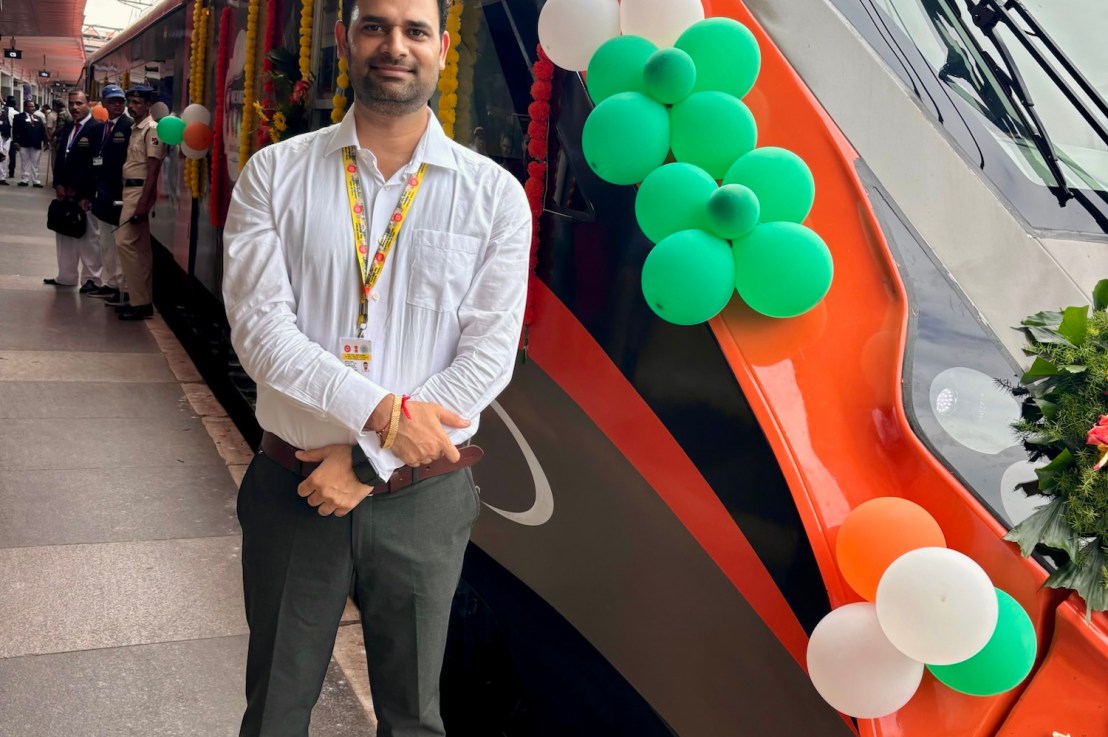
Vande Bharat Express trains have become a symbol of aspirational India. These trains have provided for a better connectivity between cities which are located from 250 to 600 km apart and thus have boosted the intercity travel for tourism, business and other purposes. As not many direst flights are available between two tier two cities … Continue reading Inaugural Journey of Vande Bharat in Pune Division of Indian Railway→
The railway system in pre-independence India was varied, comprising Imperial, Company-Owned, State Railways, and others. It served military, economic, and local needs, connecting major regions. Post-independence, these railways were nationalized, forming the backbone of Indian Railways, which remains a critical infrastructure component today.
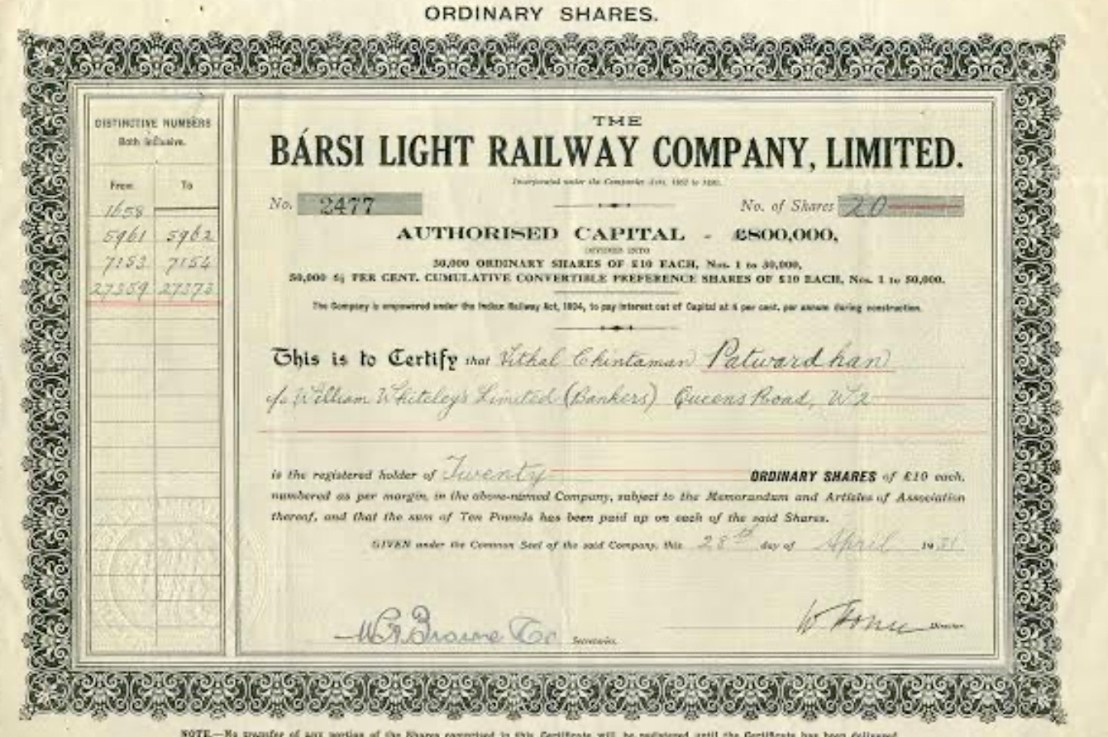
The Barsi Light Railway, also known as the Barsi State Railway, revolutionized narrow gauge railways in India. Established in 1897, it connected rural areas in Maharashtra, facilitating the transport of agricultural products and played a key role in regional development. After independence, it was integrated into Indian Railways and eventually converted to broad gauge.
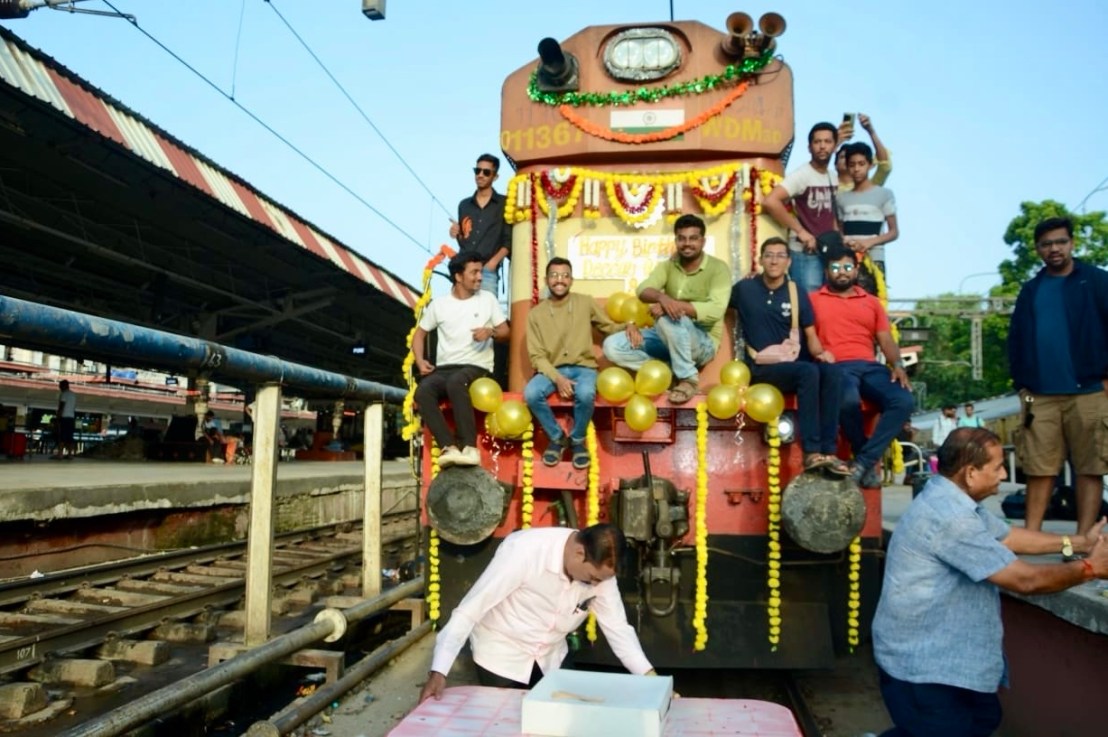
On 1st June 2024, the Deccan Queen Express, also known as "Dakkhan ki Rani" celebrated its 95th birthday. Introduced in 1930 by the Great Indian Peninsula Railway, it held several firsts in Indian Railways. Post-independence, it was taken over by Indian Railways and continues to offer upgraded amenities, punctuality, and cultural significance.
The Narrow Gauge Museum in Nagpur, India, is dedicated to preserving the rich history of the Indian Railways' narrow gauge lines. Established in 2002, it boasts a diverse collection of heritage artifacts, including locomotives, coaches, and a unique revolving restaurant. With thematic galleries and a toy train for kids, it offers an immersive experience for railway enthusiasts.
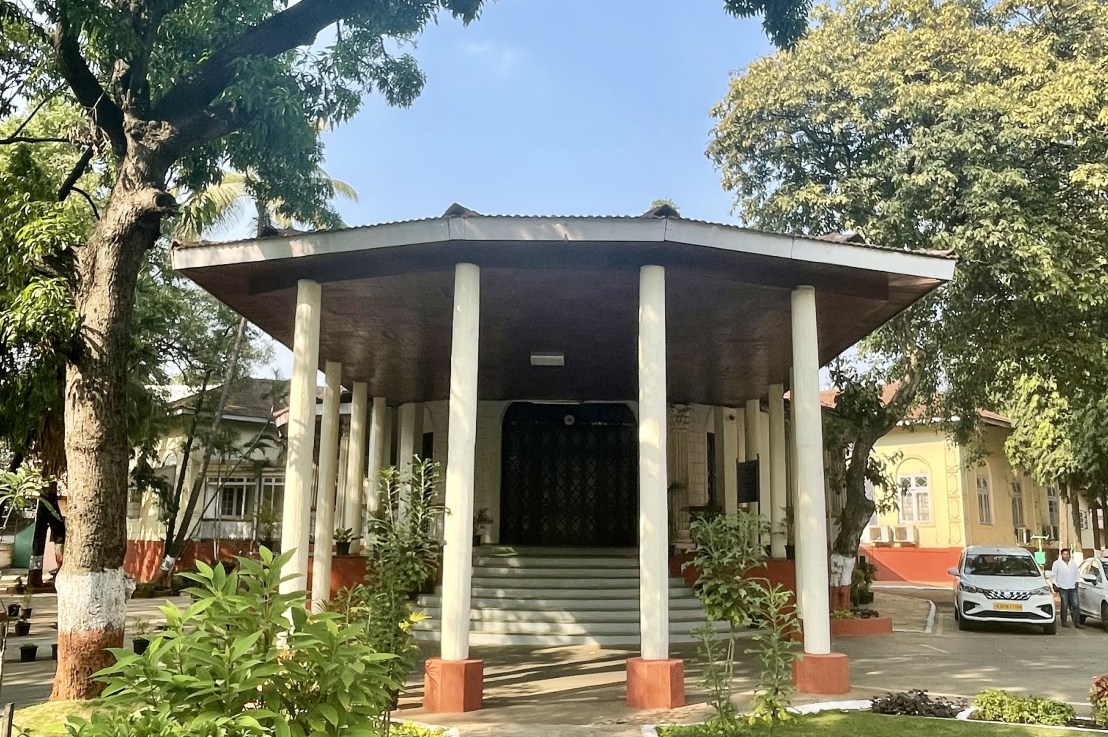
'Eagle's Nest', a unique building near Pune Railway Station, serves as a training center for Indian Railways. Recognized as a heritage structure, it was the residence of Parsi businessman, Nusserwanji Maneckji Petit, and later served as a railway guest-house and supply depot during WWII. The building's design features a bird with spread wings, reflecting its name. In 1959, it began hosting the 'Permanent Way Training School', studied by many Indian Railway engineers.



 Wizards of Life!