Tag: travel

  • Discovering the Enchanting Araku Valley: A Hidden Gem in Andhra Pradesh

    Discovering the Enchanting Araku Valley: A Hidden Gem in Andhra Pradesh

    Araku Valley is a picturesque hill station located in the Eastern Ghats of Andhra Pradesh, India. Known for its breathtaking landscapes, coffee plantations, and rich cultural heritage, Araku Valley is a popular destination for tourists seeking natural beauty and tranquility. Located in Alluri Sitarama Raju District of Andhra Pradesh, Araku Valley is a beautiful but lesser known hill station in India. The place is located around 110 km from the city of Visakhapatnam and and is well connected from the city of Visakhapatnam via road and Rail transport.

    Araku Valley is home to many of the indigenous tribes and is mainly inhabited by the tribal population. The maximum population in Araku Valley is of Araku Tribes and that is the reason it is known as Araku Valley. The place is frequently visited by many tourists mainly from the Visakhapatnam city to get a respite from the scorching heat of the area as well as hustle and bustle of the city life.

    Geography and Climate

    • Location: Araku Valley is situated in the Visakhapatnam district of Andhra Pradesh, approximately 110 kilometers (about 75 miles) from the city of Visakhapatnam.
    • Altitude: The valley is located at an altitude of about 900 to 1,400 meters (2,953 to 4,593 feet) above sea level, providing a cool and pleasant climate throughout the year.
    • Climate: The region experiences a moderate climate, with temperatures ranging from 15°C to 25°C (59°F to 77°F) in summer and dropping to around 5°C to 18°C (41°F to 64°F) in winter. The monsoon season brings moderate to heavy rainfall, enhancing the valley’s lush greenery.

    Attractions and Activities

    • Coffee Plantations: Araku Valley is renowned for its coffee plantations. The coffee grown here, particularly the organic Araku Coffee, is famous for its unique flavor and aroma. Visitors can tour the plantations and learn about the coffee production process.
    • Borra Caves: Located about 35 kilometers from Araku, these limestone caves are one of the deepest caves in India. They feature impressive stalactites and stalagmites and are a major tourist attraction.
    • Tribal Museum: This museum showcases the culture, artifacts, and lifestyle of the indigenous tribes of the region, offering a glimpse into the rich tribal heritage of the Eastern Ghats.
    • Padmapuram Gardens: A beautiful botanical garden featuring exotic plants, tree-top huts, and a toy train. It’s a perfect spot for nature lovers and families.
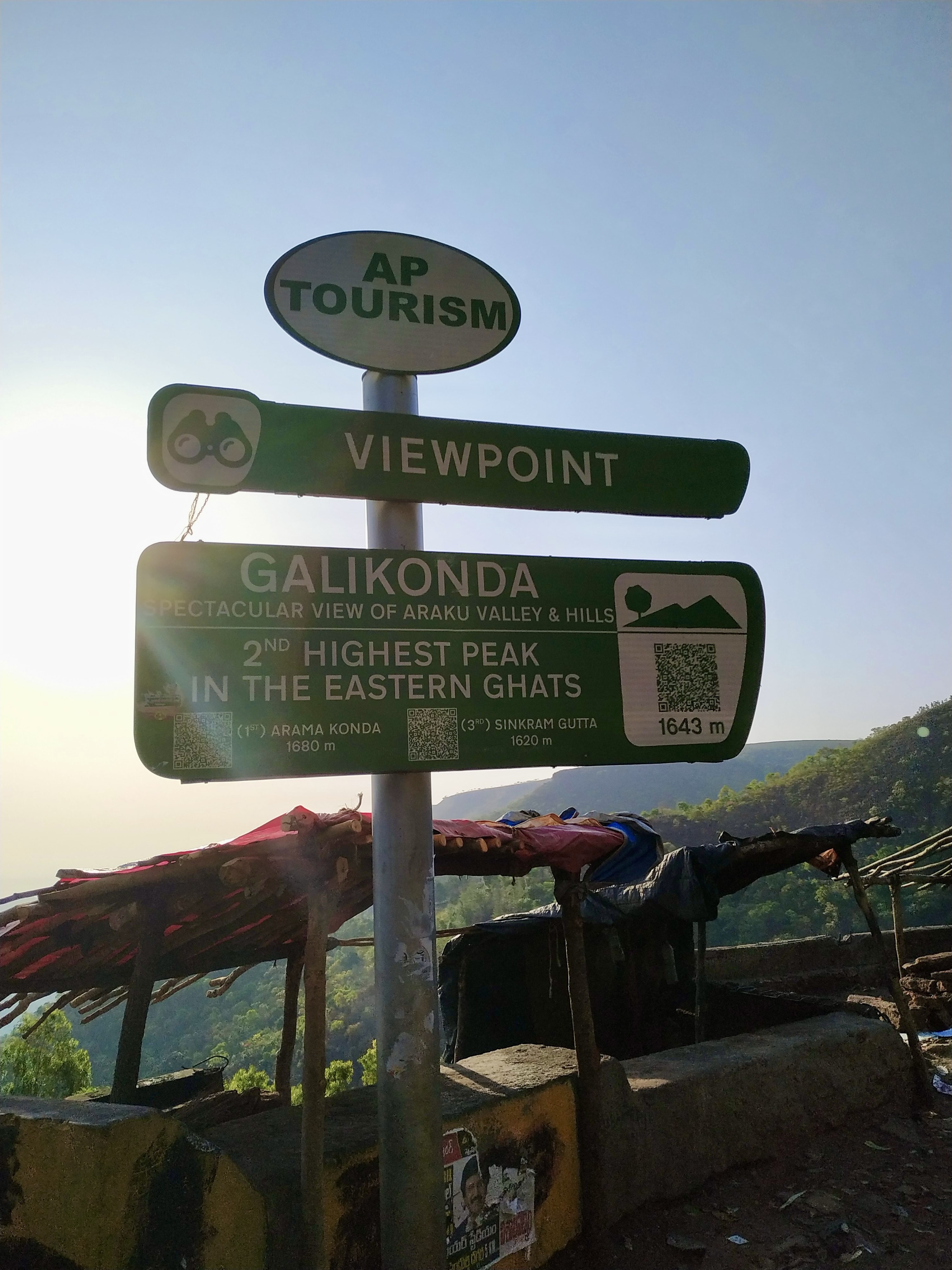
    • Galikonda Viewpoint: Offering panoramic views of the valley, this viewpoint is one of the highest points in the Eastern Ghats. It provides stunning vistas of the surrounding hills and forests.
    • Dumbriguda Waterfalls (Chaaparai): A scenic spot with cascading waterfalls, surrounded by lush greenery, ideal for picnics and nature walks.
    • Katiki Waterfalls: Located near Borra Caves, this waterfall is accessible via a short trek, offering a refreshing experience amidst nature.
    • Coffee Museum: A place dedicated to exploring the history of coffee and its various varieties. This was the best place that I visited in Araku Valley. The history and significance of various types of coffee is displayed on the walls beautifully.

    Cultural Heritage

    1. Tribal Culture: Araku Valley is home to several tribal communities, including the Araku, Gadaba, and Jatapu tribes. The region’s cultural heritage is rich with traditional dances, music, and crafts.
    2. Dhimal Dance: This traditional dance form is performed by the tribal women during festivals and special occasions, showcasing their vibrant culture.
    3. Local Markets: The weekly shandies (markets) are a great place to experience the local culture, where tribal people sell their handmade crafts, fresh produce, and traditional items.

    Accessibility

    • By Road: Araku Valley is well-connected by road. Regular buses and taxis are available from Visakhapatnam and other nearby towns.
    • By Rail: The Araku Valley Railway Station is part of the Visakhapatnam-Kirandul passenger line. The train journey from Visakhapatnam to Araku is particularly scenic, passing through tunnels, bridges, and lush landscapes. I would personally suggest to take the train journey via Vistadom coach to enjoy the lush green hills on the way.
    • By Air: The nearest airport is Visakhapatnam International Airport, about 115 kilometers away. From there, travelers can take a taxi or bus to reach Araku Valley.

    Conclusion

    Araku Valley is a hidden gem in Andhra Pradesh, offering a perfect blend of natural beauty, cultural richness, and serene ambiance. Whether you are a nature enthusiast, a coffee lover, or someone looking to experience tribal culture, Araku Valley has something for everyone.

  • Unveiling Puducherry: French Colonial Heritage and Coastal Tranquility

    Unveiling Puducherry: French Colonial Heritage and Coastal Tranquility

    Puducherry, commonly known as Pondicherry, is a charming coastal town in southern India, renowned for its French colonial architecture, serene beaches, and spiritual retreats. The town as seen today was primarily developed during the French Rule and due to the predominant French influence the town is also called as “India’s Little France”. Puducherry has a rich and varied history shaped by its colonial past, cultural amalgamation, and strategic coastal location.

    Early History

    1. Ancient Period: The region of Puducherry was part of the Pallava Kingdom in the 4th century AD. Archaeological findings suggest that it was a hub for Roman trade during ancient times.
    2. Chola and Pandya Dynasties: From the 10th to the 13th centuries, Puducherry was under the control of the Chola dynasty, followed by the Pandyas. It was an important port for maritime trade during these periods.

    European Colonization

    1. Portuguese and Dutch Influence: Before the French established their presence, the Portuguese and Dutch had control over the area briefly in the 16th and 17th centuries, respectively.
    2. French Establishment: In 1674, the French East India Company set up a trading center in Puducherry under François Martin, the first Governor of French India. This marked the beginning of French colonial rule, which lasted for nearly 280 years.
    3. Development under French Rule:
      • Urban Planning: The French meticulously planned the city, dividing it into the French Quarter (White Town) and the Indian Quarter (Black Town). They introduced French architectural styles, wide boulevards, and grid-patterned streets.
      • Cultural Exchange: Puducherry became a center for cultural exchange, blending French and Indian traditions in language, cuisine, and lifestyle.

    Key Attractions in Puducherry

    French Quarter (White Town)

      • Architecture: Stroll through streets like Rue Dumas and Rue de la Marine, lined with colonial buildings painted in pastel shades, featuring bougainvillea-laden balconies.
      • Cafés and Restaurants: Enjoy French cuisine and coffee at charming cafes like Café des Arts and Le Café.

      Promenade Beach

        • A long stretch along the Bay of Bengal, ideal for a leisurely walk. Key landmarks include the War Memorial, the statue of Mahatma Gandhi, and the old lighthouse.

        Auroville

          • An international township founded in 1968, dedicated to the ideals of human unity. The Matrimandir, a golden dome, is a meditation center and architectural marvel.

          Churches

            • Immaculate Conception Cathedral: Known locally as Samba Kovil, it dates back to 1791.
            • Basilica of the Sacred Heart of Jesus: A Gothic-style church with stunning stained glass panels.

            Beaches

              • Paradise Beach: Accessible by boat from Chunnambar Boat House, it’s known for its pristine sands and clear waters.
              • Serenity Beach: A quieter spot, ideal for surfing and relaxing. However during my visit to Puducherry I could not visit this beach.

              Museums and Galleries

                • Puducherry Museum: Houses artifacts from the colonial period and ancient times.
                • Bharati Government Park: A green oasis with sculptures and a charming gazebo.

                Activities and Experiences

                1. Cycling Tours: Explore the town on a bicycle, a popular way to navigate the narrow lanes and discover hidden gems.
                2. Yoga and Wellness: Many centers offer yoga classes and wellness retreats, taking advantage of the peaceful surroundings.
                3. Shopping:
                • Local Markets: Visit Goubert Market for fresh produce, spices, and local goods.
                • Boutiques and Handicrafts: Explore shops selling handmade candles, pottery, and textiles.

                Cuisine

                  • Enjoy a mix of Tamil and French cuisines. Must-try dishes include French pastries, Creole cuisine, and South Indian delicacies. There are few famous Pizza shops where you can enjoy a delicious slice of Pizza.

                  Practical Information

                  1. Best Time to Visit: The ideal time to visit is from October to March when the weather is pleasant.
                  2. How to Reach:
                  • By Air: The nearest airport is in Chennai, about 135 kilometers away. From there, you can hire a taxi or take a bus.
                  • By Train: Puducherry has its own railway station with connections to major cities.
                  • By Road: Well-connected by road, with regular bus services from Chennai, Bangalore, and other cities. If you are travelling via road from Chennai then take the Highway which runs along the coast and stop by the famous World Heritage Town of Mahabalipuram.

                  Accommodation

                    • Options range from heritage hotels in the French Quarter to budget guesthouses and beach resorts. The ideal duration to visit all the good places is 2 to 3 days.

                    Conclusion

                    Puducherry offers a unique blend of French elegance and Indian vibrancy, making it a fascinating destination. Whether you are exploring its colonial architecture, relaxing on its beautiful beaches, or immersing yourself in spiritual practices, Puducherry promises a memorable experience. If you are around chennai then the place is a must visit.

                  1. Iconic South Mumbai Buildings: Experiencing Heritage Amid COVID Lockdown

                    Iconic South Mumbai Buildings: Experiencing Heritage Amid COVID Lockdown

                    The South Mumbai area of Mumbai is particularly famous for British Era buildings which have come to define the Mumbai Skyline for past more than 100 years. Some of the iconic buildings of this area include Chhatrapati Shivaji Maharaj Terminus (Victoria Terminus) Building, Bombay Municipal Corporation Building, The Taj Hotel building among many others. Most of these buildings are designed in Victorian and Art Deco design and South Mumbai boasts second largest number of art deco buildings in the world after Miami City. The famous Chhatrapati Shivaji Maharaj Terminus Building has been declared as the World Heritage Building in 2004. This is an article about a walkthrough the South Mumbai during the COVID Lockdown period.

                    The COVID lockdown period was a period of grief and suffering to many people and families due to the economic hardships and the unfortunate deaths and sufferings. However due to countrywide locks lock down the traffic on the roads was minimal and cities had become pedestrian friendly. This helped us to see the cities in the original form in the sense that the streets were not claimed by the car traffic.

                    During the COVID Lock down period I was posted in Mumbai and my office was located in one of the heritage building known as Chhatrapati Shivaji Maharaj Terminus. During my free time I used to walk in the streets of South Mumbai city and was able to click some beautiful pictures of the most iconic buildings of the South Mumbai. This post is about some of those photographs.

                    1. Chhatrapati Shivaji Maharaj Terminus Building

                    This iconic building was designed by British architectural engineer Frederick Williams Stevens. The building is designed in Gothic style and was completed in 1887 marking 50 years of Queen Victoria’s rule. The building was declared as World heritage Building in April 2004. The building is currently the headquarter of Central Railway.

                    Front View of Building
                    Side view of CSMT building
                    Sunset view of Sky over CSMT building

                    2. Churchgate Terminus( Western Railway Headquarters Building)

                    This beautiful building was designed by Frederick Williams Stevens. The construction began in 1889 and completed in 1899. The building presently houses the Western Railway Headquarter.

                    3. Municipal Corporation Building(BMC Building)

                    The Brihanmumbai Municipal Corporation (BMC), or Municipal Corporation of Greater Mumbai (MCGM) is the governing civic body of Mumbai. The building was designed by Robert Fellowes Chisholm who is credited with the revival of Indo Saracenic style of architecture in India. The foundation stone was laid in December 1884 and the building was completed in 1893.

                    BMC Building (Evening View)
                    BMC Building (Night View)

                    4. Flora Fountain

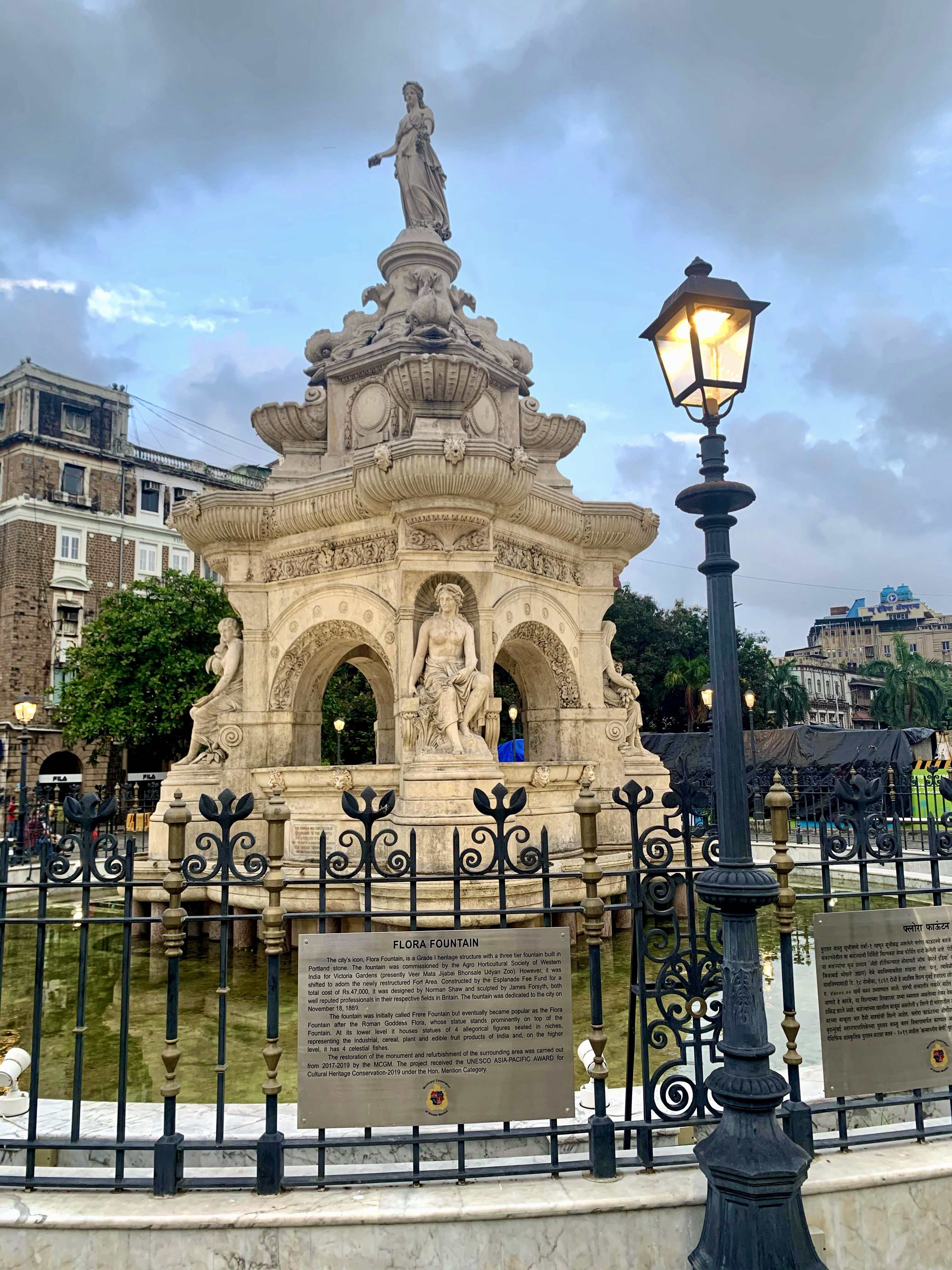
                    Built at a total cost of Rs. 47,000, or 9,000 pounds sterling Flora Fountain is located on historic Dada Bhai Naoroji Road on Hutatma Chowk. The fountain depicts the Roman Goddess Flora and is a famous icon of the fort business district of South Bombay.

                    Flora Fountain
                    Hutatma Chowk

                    5. Asiatic Society Circle/Fort Area(Mumbai)

                    During the COVID period this place was very calm having no people at all. Shooting pictures of this place at that time was once in a lifetime opportunity.

                    6. Kala Ghoda

                    This area is particularly famous for being the art district of Mumbai area. Many of the art festivals including the kala ghoda festival is held in this area.

                    7. Sunset at Marine Drive

                    During the COVID period the environment was clean and hence the Mumbai skyline was very clear from the Marine drive. The view of the sunset from this point was particularly mesmerizing.

                    Mumbai Skyline from Marine Drive

                    8. Other Random Clicks

                    Due to less vehicular movement and the area being free of crowd the entire area was pretty beautiful and all the buildings were giving their most beautiful view.

                    Overall seeing the city of old Mumbai during the COVID times was once in a lifetime experience.

                  2. Kashid Beach: Stunning White Sand Getaway in Alibaug, Maharashtra

                    Kashid Beach: Stunning White Sand Getaway in Alibaug, Maharashtra

                    Kashid Beach is a beautiful white sand beach located in Alibaug Taluka of Maharashtra. The beach is located nearby the Kashid Village in Murud Taluka and is becoming famous among the tourists due to its beautiful beach and less crowd as compared to the other beaches in the region.

                    India has a huge coastline of around 7516 km. This has enabled the country to have beautiful natural beaches and many famous beach cities. We all know about the beaches on Goa, Kerala and Andaman and Nicobar. However there are still many beautiful beaches in India which are relatively lesser known but still very beautiful. The prime among them are the beaches in Alibaug.

                    Famous Beaches of Alibaug

                    Alibaug/Alibag is a coastal city and Municipal Council in Raigad district of Maharashtra. The city boasts of many beautiful natural beaches in its surroundings. The city is becoming famous as weekend getaway among the residents of Pune and Mumbai due to its beautiful beaches and closer proximity to these two cities. Few of the most famous beaches of Alibaug as as follows:

                    • Alibaug Beach: A black-sand beach that offers views of the sunrise, sunset, and Kolaba Fort
                    • Nagaon Beach: A popular beach with beach facing cottages and a view of the sunrise
                    • Kashid Beach: A beach known for its sunsets
                    • Varsoli Beach: A white-sand beach
                    • Mandwa Beach: A serene and scenic beach
                    • Kihim Beach: A picturesque and serene beach

                    The other popular beaches are:

                    1. Akshi Beach
                    2. Kasim Beach
                    3. Rewas Beach
                    4. Korlai Beach
                    5. Saswane Beach
                    6. Revdanda Beach

                    On our Alibaug trip this time we visited the Kashid Beach. The beach is beautiful and has many things to offer to the visitors.

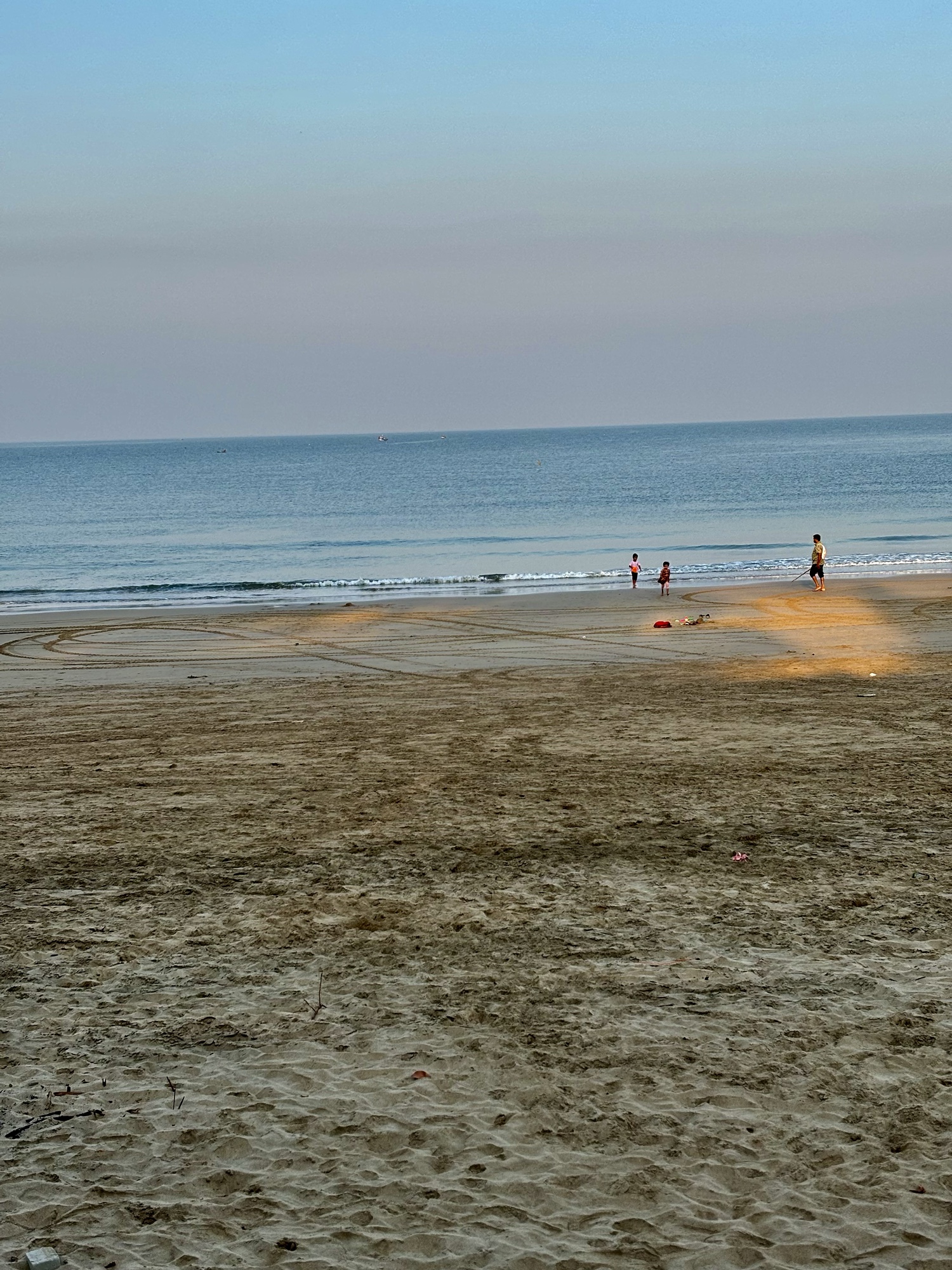
                    Kashid Beach

                    Kashid Beach is known for its white sand, blue water, green mountains, and paddy fields. It’s also considered one of the cleanest beaches in the region. The beach is a popular weekend getaway from Mumbai and Pune. Kashid beach is a newly developed beach and is located at a distance of around 30 km from Alibaug. The beach is located in Kashid village which has traditionally been a fishing village but is fast becoming a tourist village due to Kashid Beach.

                    How to Reach?

                    Due to its difficult topography the place is not accessible via train. However one can reach Pune and Mumbai via train and then take either public transport or drive to Kashid Beach. The distance of Kashid Beach is around 174 Km from Pune and there are two different routes to reach from Pune. The first is vis Pune Mumbai Expressway which takes around 5 hrs to reach. The other route is through Tamhini Ghat. This route is a ghat route and takes around 4 hrs 30 minutes to reach. Although both the routes are good, I would personally recommend to take the Tamhini Ghat route. The traffic is less on this route and the road is scenic.

                    If you are driving from Mumbai you can take the ferry to reach Alibaug and then drive from there(You can take your car inside the derry). This takes around 2 hrs 30 minutes to reach Kashid beach via this route. Alternatively you can drive via Mumbai sea link and reach Kashid beach. Its takes around 4 hours to reach kashid beach via this route. The roads are decent and the drive is scenic.

                    The best part of our drive was crossing the Kundalika River. The view of river meeting the sea was beautiful.

                    Where to Stay?

                    There are many good resorts and homestays available at Kashid Beach. It is always better to stay at a resort which is offering food as well because there are not many eateries available nearby. We stayed at Prakruti Resort which is one the best resorts in the area. However it is on the costlier side so if you want to be on budget then you can take other resorts also which offer you a price range of around Rs 5k to 8k. Few of them are Kashid Beach Heritage Resort, O’Nest Resort etc. The beach is not very much crowded hence there is no particular need for taking a resort offering a private beach.

                    Things to Do at Kashid Beach

                    Although still relatively less developed There are many activities to do at Kashid Beach. The few of them are:

                    1. Banana Ride
                    2. Motor Boating
                    3. Running
                    4. Beach Volleyball
                    5. Swimming
                    6. Photography

                    Other Places to Visit Nearby

                    There are many beautiful beaches in the nearby area which one can visit while being in Kahid. The other place which I would personally recommend is Phansad Wildlife Sanctuary. The road from Kashid to Phansad is very scenic one can see many wild animals in the Sanctuary.

                    Overall the visit to Kashid Beach is quite satisfying and a must recommended for everyone planning to visit a beautiful and peaceful beach.

                  3. Ellora Caves( एलोरा की गुफाएं): They Amaze You Every Time You Visit!

                    Ellora Caves( एलोरा की गुफाएं): They Amaze You Every Time You Visit!

                    We all have grown studying about Ajanta and Ellora caves and their beauty. However if someone has prepared for UPSC for sometime it becomes even more a thing of curiosity because these caves are a thing of great cultural importance not only for India but for the entire world. These caves are a living example of what indian culture has been in the past.

                    My first experience of visiting the Ellora caves was in 2019 when I visited these caves with two of my friends. I visited Ellora Caves again in January 2023 and I must say both the times it was a magical experience. Standing in front of Kailash temple one gets lost in its grandeur and beauty.

                    History of Ellora Caves

                    The history of these caves dates back from 600 AD to 1000 AD. There are around 100 caves at the site out of which 34 are open to public. These caves belong to all three religions prevalent in the region at that time viz. Hinduism, Buddhism and Jainism.

                    Counting wise Cave No 1 to 12 belong to Buddhism. Cave No 13 to 29 belong to Hinduism and Cave No 30 to 34 belong to Jainism. Although the entire complex of Ellora caves is a treasure to behold, the two most significant of them viz Cave no 10 called Vishwakarma cave and cave no 16 known as Kailash temple is discussed below.

                    Cave No 10 (Vishwakarma Cave)

                    Built in early 7th century this is the only Chaitya(Prayer Hall) in the series of Ellora Caves. Vishwakarma Caves are also known as ‘Sutur Ki Jhopdi’ in the local language. At the apsidal end of the chaitya hall is a stupa on the face of which a colossal high Buddha is seated in ‘Vyakhyana Mudra(teaching posture)’. A large Bodhi tree is carved at his back. Many of the Buddhist devotees come and prey in this caves daily even today. The cave is known as “Carpenter’s Cave”, because the rock has been given a finish that has the appearance of wooden beams.

                    Entrance of Vishwakarma Cave( Carpenter’s Cave)
                    Buddha in Vyakhyana Mudra in Carpenter’s Cave

                    Cave No 16( Kailashnath Temple)

                    Brief description of Cave no 16

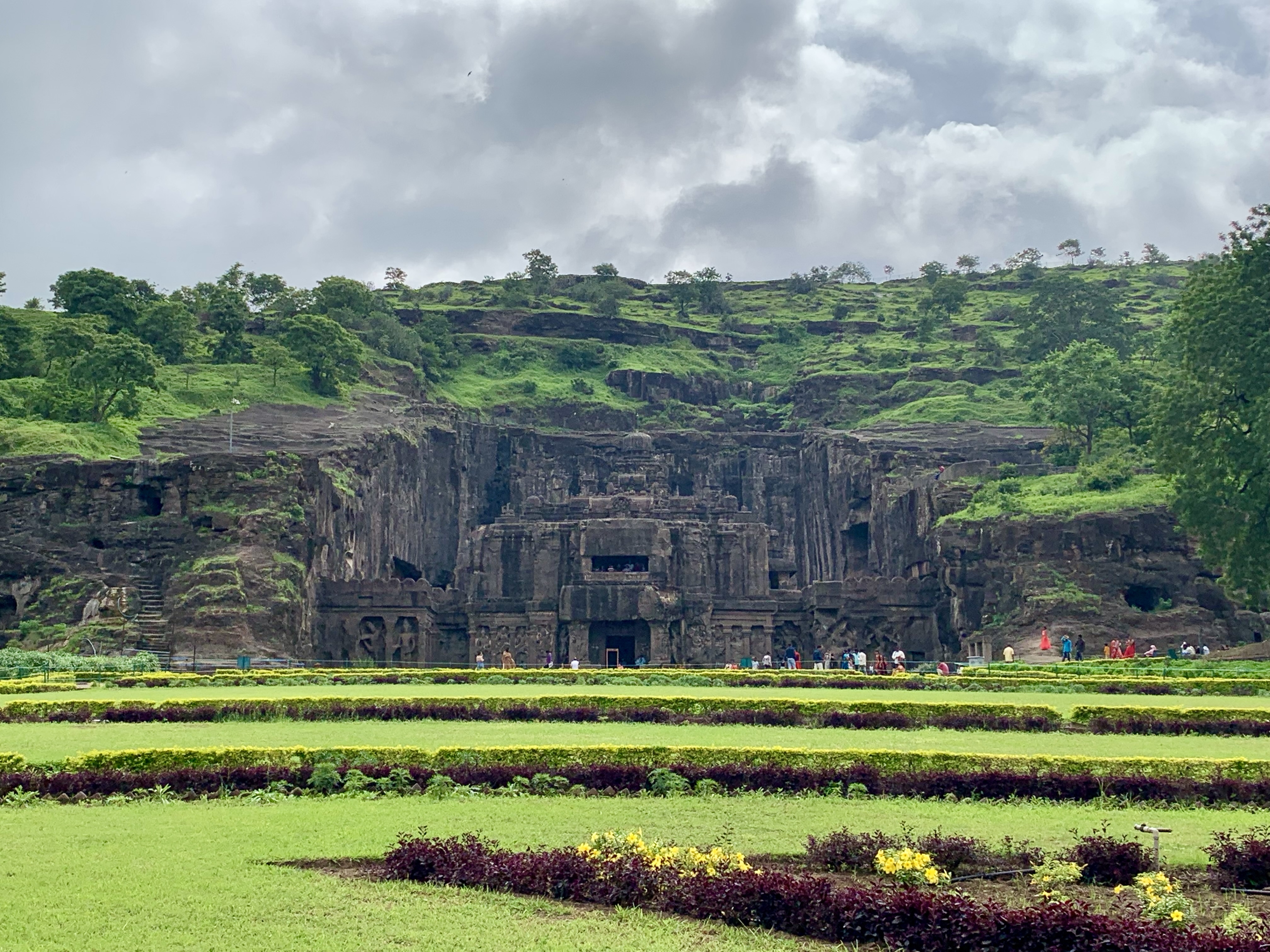
                    Cave No 16 of Ellora Caves is also known as Kailasa(Kailashnath) Temple. The temple dedicated to Shiva is world famous for being the largest megalithic structure carved from the cliff face of a mountain. it is considered one of the most remarkable cave temples in the world because of its size, architecture, and sculptural treatment. It has been called as “the climax of the rock-cut phase of Indian Architecture”. According to the historical evidences the Kailasa temple was commissioned by Rashtrakuta Rulers during the 7th century AD. The temple looks very grand from the entrance itself and in my opinion it is the most beautiful structures in the entire cave architecture of India.

                    View Of Kailasa Temple from the Entry Gate of Ellora
                    Front View of Kailasa Temple from the Inside
                    Side View of Kailasa Temple from the Inside

                    How to Reach Ellora Caves?

                    Aurangabad is the nearest city to Ellora Caves. The city is connected by both rail and road transport from all the major cities in India. There are ample of good hotels available in the city to stay. However I will that one should stay in the resorts nearby to the Ellora Caves. During the monsoon the area becomes very beautiful and there are very good views of the ancient city of Daulatabad. The best time to visit the Ellora Caves is during the monsoon or during the winter season. The area becomes quite hot during the summer time hence wondering around all the caves becomes exhausting during the summer time.

                    Ellora Caves are one of the most astonishing rock cut structures in the world. They are India’s contribution to the entire humanity and they showcase the technological sophistication and the advancement of ancient India. Being the citizen of India it is recommended that everyone must visit them to appreciate the advancement of science, technology and spirituality in ancient India.

                  4. Aadrai Jungle Trek: Pristine Beauty of Sahyadri’s

                    Aadrai Jungle Trek: Pristine Beauty of Sahyadri’s

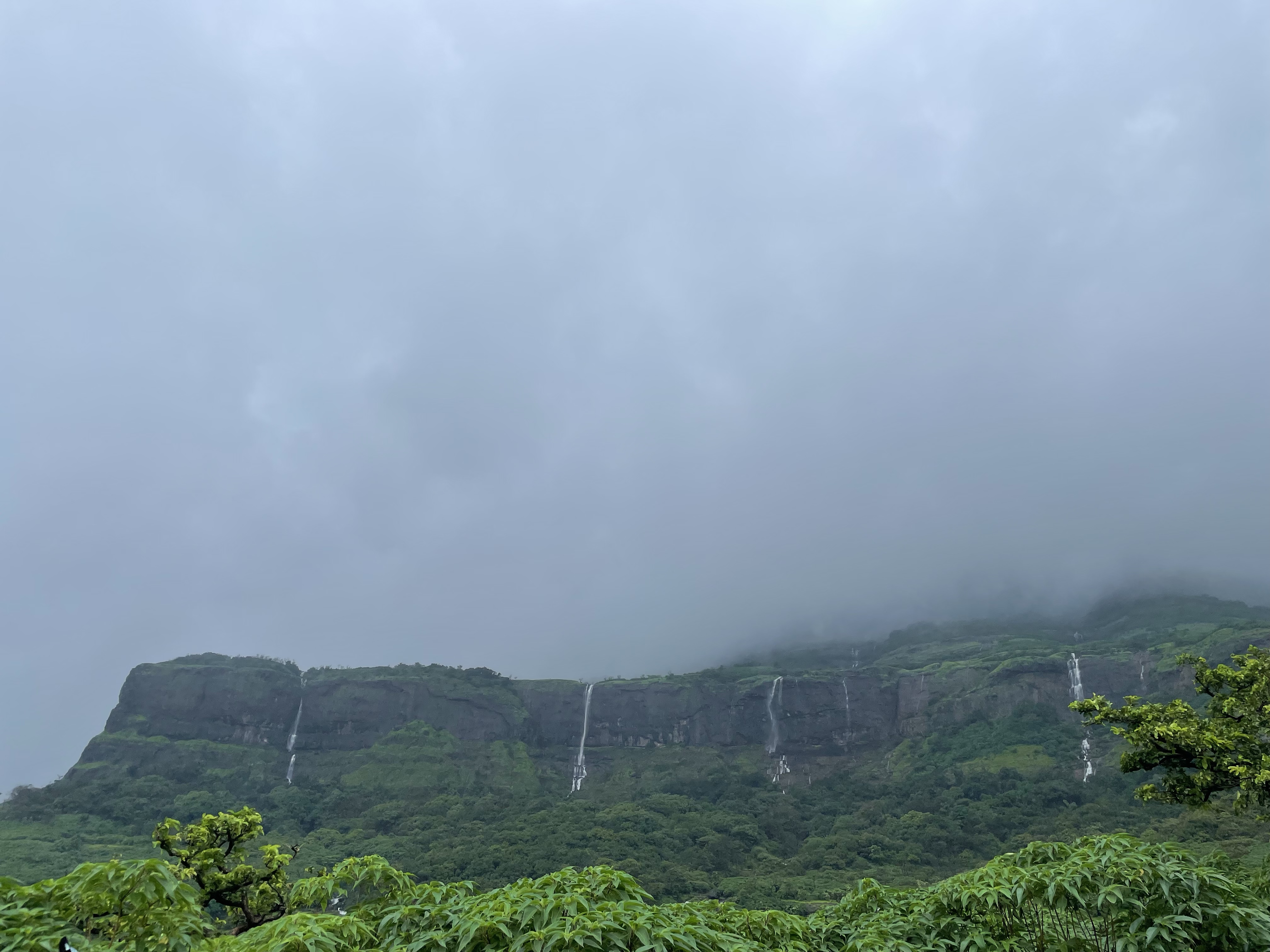
                    Aadrai is a place located at around 120 Km from Pune city. The place is well connected from Pune, Nasik and Mumbai. The place is Located in one of the Most beautiful Ghats of Sahyadri’s viz. Malsej Ghat, and is peculiarly known for its scenic beauty and breathtaking views.

                    The Aadrai Jungle Trek is one of the newer and lesser-known trekking routes in Maharashtra, offering adventurers a chance to explore a pristine and untouched forest in the Sahyadri mountain range. Known for its dense forests, hidden waterfalls, and tranquil atmosphere, the Aadrai Jungle Trek is perfect for nature lovers and those looking to experience the wilderness away from the more crowded trekking routes.

                    How to Reach the Base Village

                    We started our journey to Aadrai Jungle Trek early in the Morning from Pune. If you are goin from Pune or Mumbai it normally takes 3 hrs to 3hrs 30 minutes to reach the base village. After reaching in the base village, we have had our breakfast at our Local Tour’s house. If you are going for Aadrai Jungle trek it is recommended to go with a local guide otherwise you are likely to get lost. Also your will not be able to see many good places on the way. The trek is simple with not much significant elevation so even the children can easily do it.

                    Key Highlights of the Trek

                    1. Dense Jungle Experience

                    • The Aadrai Jungle Trek is famous for its dense and lush forest cover, which remains largely unexplored and undisturbed. The thick canopy overhead makes parts of the trek feel dark and mysterious, providing an immersive experience in nature.

                    2. Waterfalls and Streams

                    • During the monsoon season, the forest comes alive with several waterfalls and flowing streams. Some of these waterfalls are hidden deep within the forest, and the trek offers a unique opportunity to discover these serene spots.

                    3. Ancient Caves

                    • The trek also passes by ancient caves, which are believed to be used by monks and ascetics in the past. These caves add a historical and cultural dimension to the trek, making it more than just a walk through nature.

                    4. Scenic Views

                    • As you progress through the trek, you’ll be rewarded with panoramic views of the surrounding valleys and mountains. The sight of mist-covered hills and the lush green landscape is especially captivating during the monsoon season.

                    5. Wildlife and Flora

                    • The Aadrai Jungle is rich in biodiversity, with various species of plants, birds, and small animals. The trek offers a great opportunity for birdwatching and spotting some of the region’s unique flora.

                    Trekking Route

                    1. Starting Point – Khireshwar Village

                    • The trek typically begins from Khireshwar village, which is near the famous Malshej Ghat. The village serves as the base camp where trekkers gather before starting the journey.

                    2. Into the Forest

                    • The trek takes you deep into the Aadrai forest, with the trail gradually winding through thick vegetation. The sound of rustling leaves, chirping birds, and flowing streams creates a serene ambiance as you make your way through the jungle.

                    3. Waterfalls and Streams

                    • As you venture deeper, you’ll come across multiple streams and waterfalls. The highlight of the trek is a large waterfall hidden within the forest, where trekkers often take a break to enjoy the refreshing water and the natural beauty.

                    4. Exploring Caves

                    • The trail also leads to ancient caves, which provide a glimpse into the region’s historical significance. These caves, often covered in moss and surrounded by dense foliage, are fascinating to explore.

                    5. Return to Khireshwar

                    • After exploring the depths of the forest, the trek circles back to Khireshwar village, where you can relax and reflect on the journey.
                    The end point of the Trek

                    Overall the entire trek takes about 6 hrs to complete with only a few tricky/ moderately difficult patches in between. The best part of this trek is that it never becomes monotonous as there are always new kind of views ahead and the trekker is always surprised and awe inspired. On return to the base village we had our lunch at the house of our Guide and then we returned to our places. At the end i would say Aadrai Jungle trek is a must place to venture and experience the pristine beauty of Sahyadris. On this trek the trekkers comes across everlasting landscape, awe inspiring waterfalls, buzzing streams soaking heavy rain to make it an ever-memorable experience.