- 1. Imperial Railways (Government-Owned Railways)
- 2. Company-Owned Railways (Private Railways)
- 3. State Railways (Princely State-Owned Railways)
- 4. Feeder Railways and Branch Lines
- 5. Narrow-Gauge and Light Railways
- 6. Hill Railways
- 7. Industrial and Plantation Railways
- 8. Military Railways
- Conclusion:
During pre-independence India, the railway system was diverse, reflecting the various needs of colonial administration, princely states, and private enterprises. These railways can be classified into different types based on ownership, gauge, and purpose.
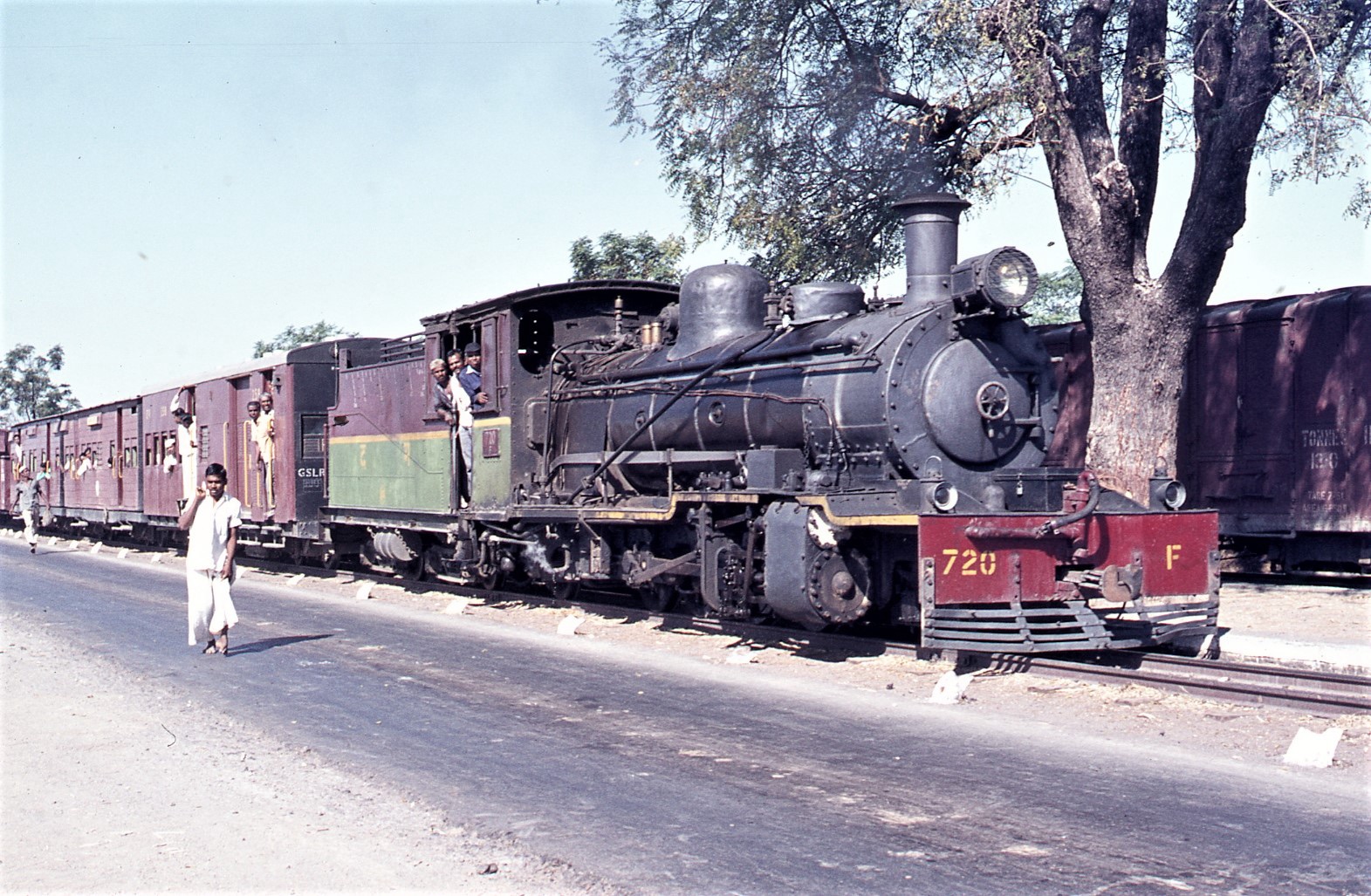
1. Imperial Railways (Government-Owned Railways)
- Overview: These railways were directly owned and operated by the British Indian Government. They were developed to serve the strategic and economic needs of the colonial government.
- Purpose: Primarily used for military movement, administrative control, and facilitating the extraction of raw materials, such as cotton and minerals, for export.
- Key Example:
- East Indian Railway (EIR): Established in 1845, this was one of the first railways in India. It connected major cities like Calcutta (Kolkata) and Delhi and played a key role in controlling Northern India.
- Legacy: These government railways formed the backbone of the railway network, and after independence, they became part of Indian Railways.
2. Company-Owned Railways (Private Railways)
- Overview: These were railways constructed and operated by private British companies, often with financial backing from the colonial government. Private companies were initially encouraged to invest in railways with the promise of guaranteed returns, which led to extensive railway development.
- Purpose: These railways were often built to serve specific industries, such as plantations, coal mines, or ports, as well as major cities for passenger traffic.
- Key Examples:
- Great Indian Peninsula Railway (GIPR): Established in 1853, it connected Bombay (Mumbai) with major cities in western and central India, facilitating both passenger and goods transport.
- Bombay, Baroda, and Central India Railway (BB&CI): This private railway connected Bombay with key industrial and commercial regions of Gujarat and Rajasthan.
- Legacy: Most of these private railways were nationalized by the government in the early 20th century, forming the core of the Indian Railways system after 1947.
3. State Railways (Princely State-Owned Railways)
- Overview: Many princely states and regional authorities owned and operated their own railways, separate from the railways run by the British Indian government or private companies. These railways were constructed to serve local needs and were often smaller in scale.
- Purpose: To improve local trade, connect isolated areas within princely states, and boost the economy by transporting goods like agricultural produce, textiles, and minerals.
- Key Examples:
- Nizam’s Guaranteed State Railway (NGSR): Operated by the Nizam of Hyderabad, it connected Hyderabad with major cities and played a key role in regional trade.
- Mysore State Railway: Owned by the Kingdom of Mysore, it connected Mysore to Bangalore and was crucial for the local economy.
- Legacy: After independence, these state railways were merged into the Indian Railways system.
4. Feeder Railways and Branch Lines
- Overview: These were smaller railways or branch lines that connected rural areas, smaller towns, or industrial centers with the main railway network. Often, they were built to serve specific regions, industries, or agricultural areas.
- Purpose: To facilitate the movement of goods (such as grain, cotton, or timber) from rural areas to major trade routes and markets.
- Key Examples:
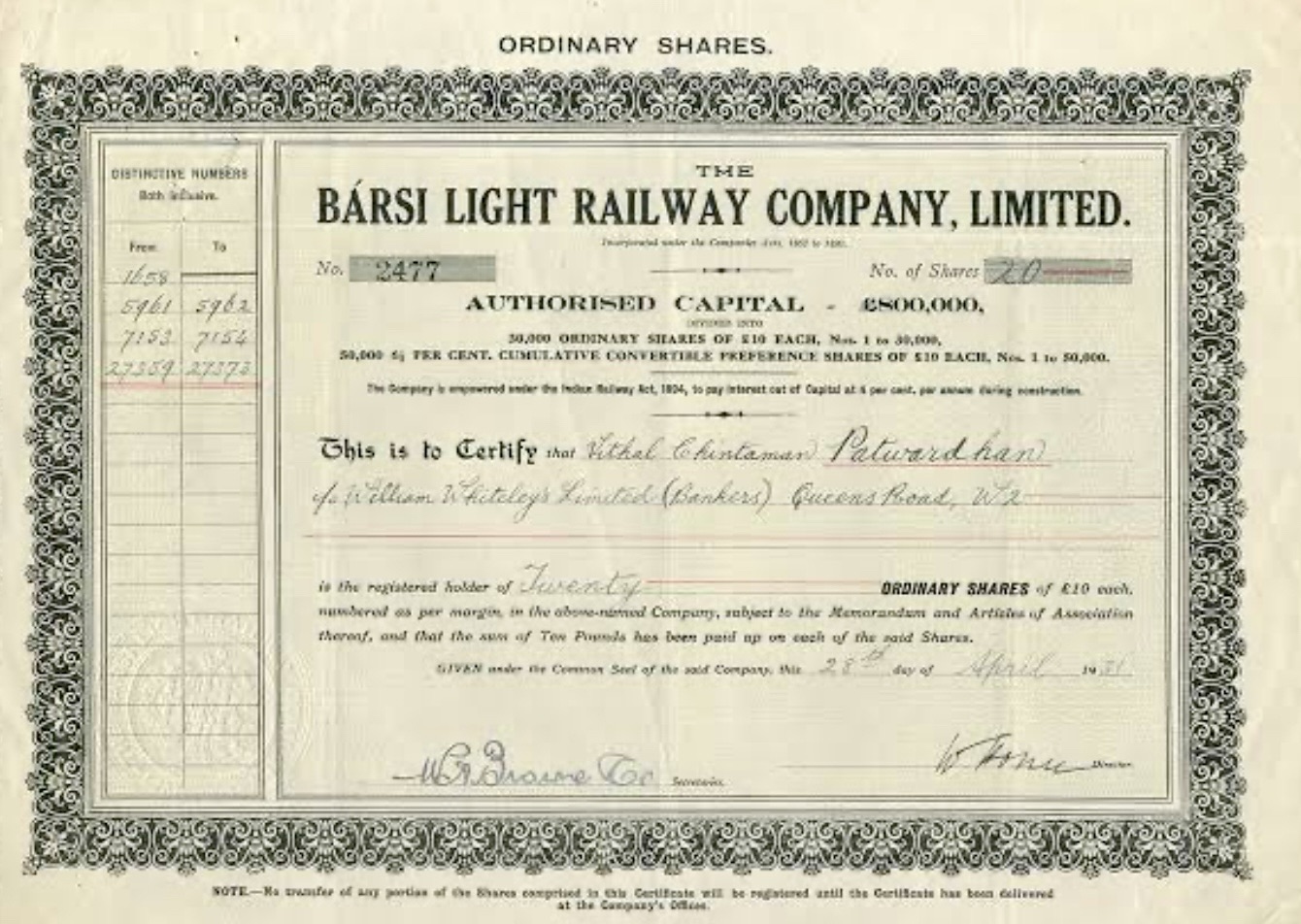
- Barsi Light Railway: A narrow-gauge railway in Maharashtra, built to serve agricultural areas.
- Darjeeling Himalayan Railway: A narrow-gauge railway that connected the tea plantations of Darjeeling with the plains of Bengal.
- Legacy: Many of these branch lines were either integrated into larger railway networks or discontinued after independence, but some still exist today, especially as heritage railways.
5. Narrow-Gauge and Light Railways
- Overview: These were small-scale railways, often built in areas where it was too costly or impractical to construct broad-gauge lines. They were mostly constructed to connect rural and remote areas or to serve industries like mining or plantations.
- Purpose: Narrow-gauge railways were cost-effective and required less infrastructure, making them ideal for connecting sparsely populated regions, difficult terrains, or for industrial purposes.
- Key Examples:
- Barsi Light Railway: A narrow-gauge railway connecting the Sholapur district of Maharashtra, known for its efficiency.
- Kangra Valley Railway: A narrow-gauge line serving the hilly terrain of Himachal Pradesh.
- Legacy: Some of these narrow-gauge railways were converted to broad gauge after independence, while others were preserved as heritage railways.
6. Hill Railways
- Overview: These railways were constructed in hilly or mountainous regions, using special engineering techniques such as zig-zags, spirals, and gradients to overcome challenging terrains.
- Purpose: Primarily built to connect hill stations, which were favored by British officials as summer retreats, as well as for the transport of goods like tea and timber.
- Key Examples:
- Darjeeling Himalayan Railway: Established in 1881, this narrow-gauge railway connects the plains of Bengal to the hill station of Darjeeling.
- Nilgiri Mountain Railway: Opened in 1908, it connects Mettupalayam with the hill station of Ooty (Udagamandalam) in Tamil Nadu.
- Legacy: Some of these hill railways, like the Darjeeling Himalayan Railway and Nilgiri Mountain Railway, are now UNESCO World Heritage Sites.
7. Industrial and Plantation Railways
- Overview: These were railways built by private industrial or plantation companies to serve specific industrial needs, such as coal mining, tea plantations, or forestry. They often operated in remote areas and were primarily used for transporting raw materials rather than passengers.
- Purpose: To transport raw materials like coal, tea, sugarcane, or timber to processing centers or ports.
- Key Examples:
- Cochin State Forest Tramway: Built for transporting timber from the forests of Kerala to Cochin port for export.
- Tea Plantation Railways in Assam and Bengal: Narrow-gauge lines built to transport tea from plantations to the nearest major rail lines.
- Legacy: Many of these lines became obsolete after independence, as road transport became more viable.
8. Military Railways
- Overview: These railways were constructed mainly for military purposes to move troops and supplies across British India, especially in border regions or areas prone to unrest.
- Purpose: To ensure quick movement of troops during military campaigns or to maintain colonial control in restive areas.
- Key Examples:
- Sind Railway: Built to transport British troops to the northwestern frontier during colonial campaigns.
- Legacy: These railways often became part of the general transport network after independence.
Conclusion:
The railway system in pre-independence India was diverse, consisting of different types based on ownership, purpose, and construction methods. This network played a pivotal role in shaping the economy, military strategy, and social dynamics of British India. After independence, most of these railways were integrated into Indian Railways, which remains one of the largest railway systems in the world.
 Wizards of Life!