Araku Valley is a picturesque hill station located in the Eastern Ghats of Andhra Pradesh, India. Known for its breathtaking landscapes, coffee plantations, and rich cultural heritage, Araku Valley is a popular destination for tourists seeking natural beauty and tranquility. Located in Alluri Sitarama Raju District of Andhra Pradesh, Araku Valley is a beautiful but lesser known hill station in India. The place is located around 110 km from the city of Visakhapatnam and and is well connected from the city of Visakhapatnam via road and Rail transport.
Araku Valley is home to many of the indigenous tribes and is mainly inhabited by the tribal population. The maximum population in Araku Valley is of Araku Tribes and that is the reason it is known as Araku Valley. The place is frequently visited by many tourists mainly from the Visakhapatnam city to get a respite from the scorching heat of the area as well as hustle and bustle of the city life.
Geography and Climate
- Location: Araku Valley is situated in the Visakhapatnam district of Andhra Pradesh, approximately 110 kilometers (about 75 miles) from the city of Visakhapatnam.
- Altitude: The valley is located at an altitude of about 900 to 1,400 meters (2,953 to 4,593 feet) above sea level, providing a cool and pleasant climate throughout the year.
- Climate: The region experiences a moderate climate, with temperatures ranging from 15°C to 25°C (59°F to 77°F) in summer and dropping to around 5°C to 18°C (41°F to 64°F) in winter. The monsoon season brings moderate to heavy rainfall, enhancing the valley’s lush greenery.
Attractions and Activities
- Coffee Plantations: Araku Valley is renowned for its coffee plantations. The coffee grown here, particularly the organic Araku Coffee, is famous for its unique flavor and aroma. Visitors can tour the plantations and learn about the coffee production process.
- Borra Caves: Located about 35 kilometers from Araku, these limestone caves are one of the deepest caves in India. They feature impressive stalactites and stalagmites and are a major tourist attraction.


- Tribal Museum: This museum showcases the culture, artifacts, and lifestyle of the indigenous tribes of the region, offering a glimpse into the rich tribal heritage of the Eastern Ghats.


- Padmapuram Gardens: A beautiful botanical garden featuring exotic plants, tree-top huts, and a toy train. It’s a perfect spot for nature lovers and families.
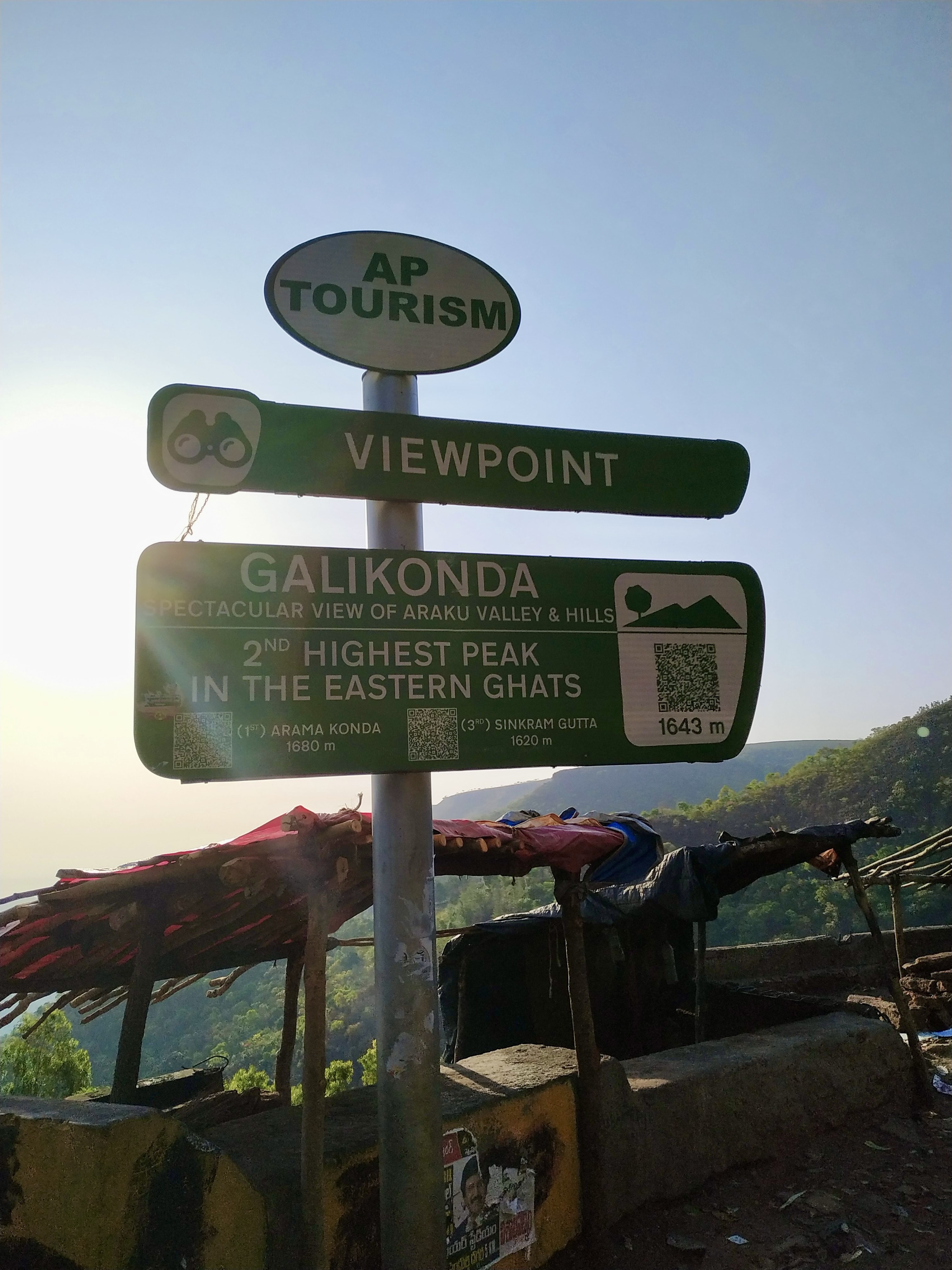
- Galikonda Viewpoint: Offering panoramic views of the valley, this viewpoint is one of the highest points in the Eastern Ghats. It provides stunning vistas of the surrounding hills and forests.


- Dumbriguda Waterfalls (Chaaparai): A scenic spot with cascading waterfalls, surrounded by lush greenery, ideal for picnics and nature walks.
- Katiki Waterfalls: Located near Borra Caves, this waterfall is accessible via a short trek, offering a refreshing experience amidst nature.
- Coffee Museum: A place dedicated to exploring the history of coffee and its various varieties. This was the best place that I visited in Araku Valley. The history and significance of various types of coffee is displayed on the walls beautifully.


Cultural Heritage
- Tribal Culture: Araku Valley is home to several tribal communities, including the Araku, Gadaba, and Jatapu tribes. The region’s cultural heritage is rich with traditional dances, music, and crafts.
- Dhimal Dance: This traditional dance form is performed by the tribal women during festivals and special occasions, showcasing their vibrant culture.
- Local Markets: The weekly shandies (markets) are a great place to experience the local culture, where tribal people sell their handmade crafts, fresh produce, and traditional items.
Accessibility
- By Road: Araku Valley is well-connected by road. Regular buses and taxis are available from Visakhapatnam and other nearby towns.
- By Rail: The Araku Valley Railway Station is part of the Visakhapatnam-Kirandul passenger line. The train journey from Visakhapatnam to Araku is particularly scenic, passing through tunnels, bridges, and lush landscapes. I would personally suggest to take the train journey via Vistadom coach to enjoy the lush green hills on the way.


- By Air: The nearest airport is Visakhapatnam International Airport, about 115 kilometers away. From there, travelers can take a taxi or bus to reach Araku Valley.
Conclusion
Araku Valley is a hidden gem in Andhra Pradesh, offering a perfect blend of natural beauty, cultural richness, and serene ambiance. Whether you are a nature enthusiast, a coffee lover, or someone looking to experience tribal culture, Araku Valley has something for everyone.