It was the year 2000, the dawn of the new century and new opportunities for India with the booming economy and a stable government in decades when an ambitious businessman named Ajit Gulabchand decided to start building India’s first privately developed city in the pristine landscapes of Western Ghats. The city was named Lavasa and it was to be designed on the patterns of cotton-candy harbor of Italy’s Portofino. To design the city HOK architects who designed the famous Barclays world headquarters in London were hired.
Lavasa city was planned to be a perfect blend of natural beauty and beautiful architecture to build a perfect city for high quality living. With many of the scenic places like Tikona Fort, Tamini Ghat, Mulshi valley in the vicinity the city is a perfect spot for recreation activities. The location of city (around 65 km from Pune) also makes it an easily accessible place via Trains and flights.
However everything changed when the city was caught in the mid of violation of environmental clearances, threatening the endangered flora and fauna and corruption charges. As per the studies, the area where the city was being build was the core part of Western ghats and it was home to around 325 vulnerable and endangered species of flora and fauna.
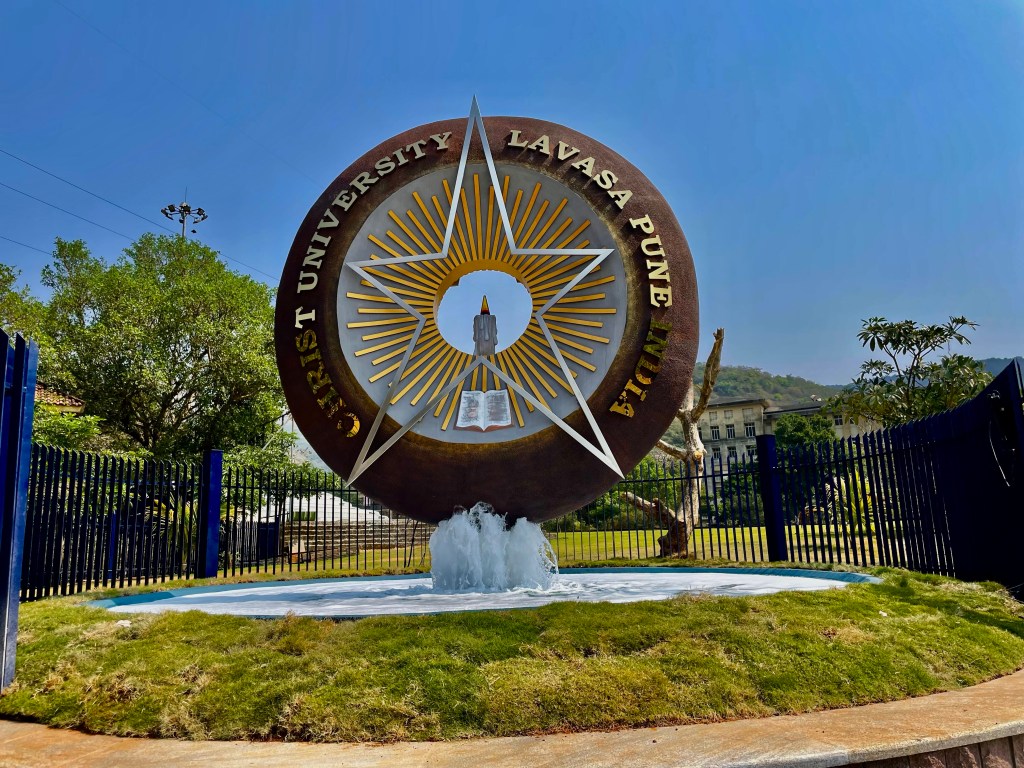
During my visit to Lavasa I found the city to be beautifully designed. However most of it was deserted with few residents living in the residential buildings. The buildings which were completed were not being maintained properly and many of the buildings were incomplete. With few employment opportunities in the nearby areas the city seems to be incapable of maintaining a working class.
Key Features of Lavasa City
1. Scenic Location and Architecture:
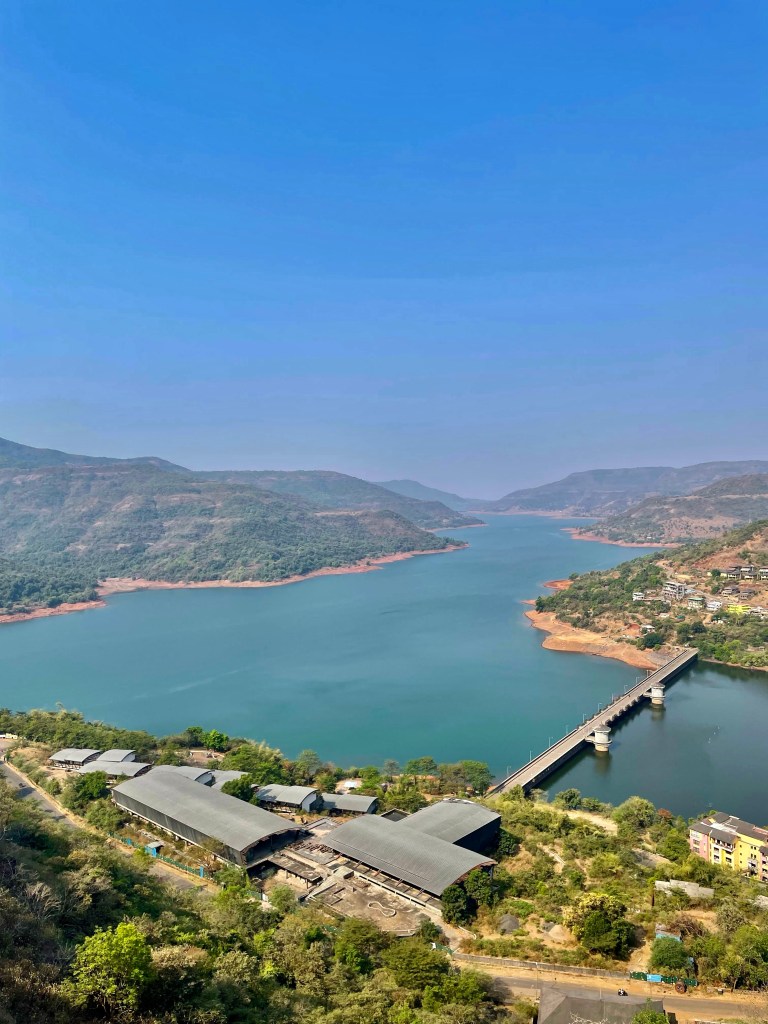
- Lavasa is built along the shores of the Warasgaon Lake and surrounded by the lush green hills of the Sahyadri range, offering beautiful views and a pleasant climate.
- The city’s architecture is European-inspired, with colorful buildings, promenades, and waterfronts, giving it a charming, Mediterranean-style feel.
- The town is spread across seven hills, covering an area of about 25,000 acres.
2. Urban Planning and Infrastructure:
- Lavasa was envisioned as a fully planned city with world-class infrastructure, including modern residential complexes, commercial spaces, and recreational zones.
- It includes various hotels, resorts, and convention centers, making it a popular spot for corporate events, conferences, and destination weddings.
3. Tourist Activities:
- Adventure Sports: Lavasa offers a range of outdoor activities such as boating, jet-skiing, kayaking, and cruising on the lake. There are also trekking and mountain biking trails in the surrounding hills.
- Waterfront Promenade: The main attraction of Lavasa is its beautiful promenade along the lake, lined with cafes, restaurants, and boutique shops, where visitors can relax and enjoy the view.
- Nature Trails: With its scenic surroundings, Lavasa is ideal for nature walks, hikes, and birdwatching.
- Temghar Dam: Located near Lavasa, this dam offers another scenic spot with a panoramic view of the valley and water body.


Weather and Best Time to Visit
- Lavasa enjoys pleasant weather throughout the year. However, the best time to visit is during the monsoon season (June to September), when the hills turn lush green, and the waterfalls around the area come alive. The winter months (October to February) are also ideal for outdoor activities and sightseeing.
From the perspective of tourism the city has potential. The scenic beauty in the nearby areas is charming and the place is ideal for getting away from the hustle and bustle of the city life. I am listing few places one can visit in Lavasa.
- Dasve View Point
- Lavash Lake
- Take a Walk in the beautiful streets of Lavasa.
- Lakeside Promenade
- Bamboosa
- In the vicinity one can also visit places like Tamini Ghat, Panset Dam.
Overall, Lavasa is a good place to visit once or twice with the family and friends. However due to no significant employment opportunities the city is not a good place to live. Also with the number of residents decreasing in the city the city’s future seems uncertain.
 Wizards of Life!
Situated in the Maval region, Tikona Fort, also known as Vitandgad, stands as a testament to the Maratha Empire’s military prowess. Built during the Silhara dynasty’s rule in the 8th century, Tikona Fort later came under the control of the Marathas during the reign of Chhatrapati Shivaji Maharaj. The name “Tikona” is derived from its triangular shape, which is a distinctive feature of the fort. This shape not only provided a unique architectural identity but also enhanced its defensive capabilities.
https://www.indianetzone.com/65/tikona_fort.htm
LikeLiked by 1 person
Yes. Thanks
LikeLiked by 1 person